

Exploring the Eco-Friendly Aspects of Hand PVC Cling Film: A Comprehensive Guide
Release time:
Dec 29,2025
Exploring the Eco-Friendly Aspects of Hand PVC Cling Film Table of Contents 1. Understanding PVC Cling Film: What Is It? 2. The Environmental Impact of Traditional Packaging Materials 3. Eco-Friendly Attributes of Hand PVC Cling Film 3.1 Biodegradable Options and Recycling 3.2 Energy Efficiency in Production 3.3 Reducing Food Waste 3.4 Reusability and Versatility 4. Comparing Hand PVC Cling Film w
Exploring the Eco-Friendly Aspects of Hand PVC Cling Film
Table of Contents
1. Understanding PVC Cling Film: What Is It?
2. The Environmental Impact of Traditional Packaging Materials
3. Eco-Friendly Attributes of Hand PVC Cling Film
3.1 Biodegradable Options and Recycling
3.2 Energy Efficiency in Production
3.3 Reducing Food Waste
3.4 Reusability and Versatility
4. Comparing Hand PVC Cling Film with Other Packaging Materials
4.1 PVC vs. Plastic Wrap
4.2 PVC vs. Beeswax Wraps
5. How to Choose Eco-Friendly Hand PVC Cling Film
6. The Future of PVC Cling Film in Sustainable Packaging
7. Frequently Asked Questions (FAQs)
8. Conclusion: The Role of Hand PVC Cling Film in Sustainable Practices
1. Understanding PVC Cling Film: What Is It?
Hand PVC cling film is a type of flexible plastic wrap made from polyvinyl chloride (PVC). Known for its excellent cling properties, this film is widely used in households and businesses to cover food items, ensuring freshness and protection. Its strong adhesive qualities allow it to tightly wrap around various surfaces, making it a popular choice for both commercial and domestic use. The versatility of hand PVC cling film extends beyond food storage; it can also be utilized for packaging, crafts, and various household tasks.
2. The Environmental Impact of Traditional Packaging Materials
Traditional packaging materials, particularly plastics, have long been criticized for their detrimental effects on the environment. The production and disposal of these materials contribute significantly to pollution and waste. Many commonly used plastic wraps and films are non-biodegradable, leading to persistent environmental challenges. The accumulation of plastic waste in landfills and oceans has sparked a global movement towards more sustainable packaging solutions.
3. Eco-Friendly Attributes of Hand PVC Cling Film
Hand PVC cling film is often perceived as less eco-friendly compared to alternatives; however, it possesses several attributes that can contribute to a more sustainable approach to packaging.
3.1 Biodegradable Options and Recycling
Recent advancements in technology have led to the development of biodegradable PVC cling films. These products break down more easily in the environment, reducing their long-term impact. Additionally, PVC itself is recyclable, allowing consumers to dispose of it responsibly. Recycling programs for PVC cling film are becoming more available, offering an eco-friendly solution to waste management.
3.2 Energy Efficiency in Production
The manufacturing process of hand PVC cling film can be energy-efficient when compared to other types of plastic films. Manufacturers are increasingly adopting practices that reduce energy consumption and carbon emissions, aligning with global sustainability goals. By choosing energy-efficient products, consumers can contribute to lowering the environmental footprint of packaging materials.
3.3 Reducing Food Waste
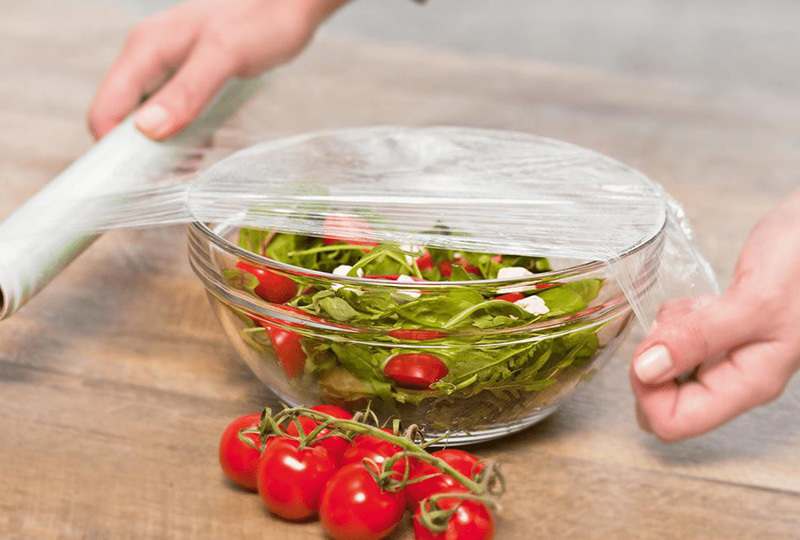
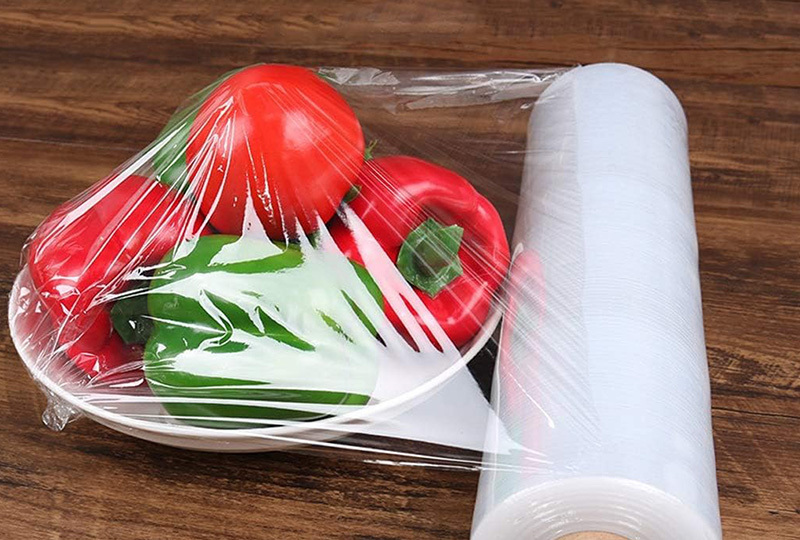
One of the most significant eco-friendly attributes of hand PVC cling film is its ability to extend the shelf life of food items. By providing an airtight seal, it helps maintain freshness and prevent spoilage. This quality not only benefits consumers but also plays a crucial role in reducing food waste, which is a major contributor to greenhouse gas emissions.
3.4 Reusability and Versatility
Unlike single-use plastic wraps, many hand PVC cling films are durable and can be reused multiple times. This versatility makes them an attractive option for eco-conscious consumers. From wrapping sandwiches for lunch to covering leftovers, hand PVC cling film offers an array of uses that minimize waste.
4. Comparing Hand PVC Cling Film with Other Packaging Materials
In the quest for eco-friendly packaging, it is essential to compare hand PVC cling film with other alternatives to understand its position in the market.
4.1 PVC vs. Plastic Wrap
Traditional plastic wraps often contain harmful additives that can leach into food. In contrast, hand PVC cling films are typically free from such contaminants, making them a safer choice for food storage. Additionally, PVC cling films provide better cling and durability, reducing the need for frequent replacements.
4.2 PVC vs. Beeswax Wraps
Beeswax wraps have gained popularity as an eco-friendly alternative to plastic films. While they are reusable and compostable, they may not offer the same level of sealing capability as hand PVC cling film. Moreover, the production of beeswax wraps can have a higher environmental impact due to the agricultural practices involved in beekeeping.
5. How to Choose Eco-Friendly Hand PVC Cling Film
When selecting hand PVC cling film, consider the following factors to ensure you are making an eco-friendly choice:
1. **Look for Biodegradable Options:** Seek out products labeled as biodegradable or compostable.
2. **Check for Recycling Symbols:** Choose films that are recyclable and participate in local recycling programs.
3. **Evaluate Manufacturer Practices:** Research brands that emphasize sustainability in their production processes.
4. **Consider Reusability:** Opt for high-quality cling films that can be reused multiple times.
6. The Future of PVC Cling Film in Sustainable Packaging
The future of hand PVC cling film appears promising as innovation continues to drive the industry towards more sustainable practices. As consumer awareness of environmental issues grows, manufacturers are motivated to develop greener alternatives. The integration of biodegradable materials, advancements in recycling technology, and increased transparency in production can enhance the eco-friendliness of PVC cling films.
7. Frequently Asked Questions (FAQs)
What is hand PVC cling film made from?
Hand PVC cling film is made from polyvinyl chloride (PVC), a versatile plastic known for its excellent cling properties.
Is hand PVC cling film recyclable?
Yes, many hand PVC cling films are recyclable. Check for recycling symbols and participate in local recycling programs to dispose of them responsibly.
How does hand PVC cling film help reduce food waste?
By providing an airtight seal, hand PVC cling film helps maintain the freshness of food items, preventing spoilage and waste.
Are there eco-friendly alternatives to hand PVC cling film?
Yes, alternatives such as beeswax wraps and silicone lids are available, but they may not offer the same level of sealing capability as PVC cling film.
What should I look for when buying eco-friendly hand PVC cling film?
Look for biodegradable options, recycling symbols, and brands that prioritize sustainable production practices.
8. Conclusion: The Role of Hand PVC Cling Film in Sustainable Practices
Hand PVC cling film is often overlooked in discussions about sustainable packaging, yet it offers several eco-friendly attributes that can align with greener practices. By choosing high-quality, biodegradable options and participating in recycling programs, consumers can enjoy the benefits of this versatile material while contributing to a more sustainable future. As the industry continues to evolve, the role of hand PVC cling film in the packaging landscape will likely become increasingly significant, providing a balance between functionality and environmental responsibility.
Related News
What are the characteristics of PVC fresh-keeping film for food preservation

Can PVC plastic wrap be heated in a microwave oven?
What is the difference between PVC cling film and PE cling film
The choice of PVC cling film need to pay attention to what

Professional Cling Film Manufacturer
Address: No.3 Jiefang road (east) Cangzhou Economy Development Zone, Cangzhou City, Hebei province, China.
Please leave your email, we will contact you as soon as possible, thank you!