

Choosing the Right Thickness: A Comprehensive Guide to Hand PVC Cling Film
Release time:
Jan 06,2026
Choosing the Right Thickness: A Comprehensive Guide to Hand PVC Cling Film In the world of packaging, the right materials can make all the difference. **Hand PVC cling film** is a versatile solution that offers excellent protection and freshness for various products. However, one critical factor that often gets overlooked is the thickness of the cling film. In this detailed article, we will explor
Choosing the Right Thickness: A Comprehensive Guide to Hand PVC Cling Film
In the world of packaging, the right materials can make all the difference. **Hand PVC cling film** is a versatile solution that offers excellent protection and freshness for various products. However, one critical factor that often gets overlooked is the thickness of the cling film. In this detailed article, we will explore why choosing the right thickness is essential, how it can impact your packaging solutions, and the various factors to consider when making this choice.
Understanding PVC Cling Film
Before diving into the specifics of thickness, let's understand what **PVC cling film** is and why it is widely used in both commercial and domestic settings. PVC, or polyvinyl chloride, is a type of plastic that is both durable and flexible, making it ideal for a variety of applications.
What is Hand PVC Cling Film?
Hand PVC cling film is a type of stretchable plastic wrap that adheres to surfaces without the need for adhesives. It is commonly used for wrapping food items, protecting surfaces, and preserving freshness. The ability to cling to various surfaces and itself ensures a tight seal, which is why it is a popular choice in kitchens and packaging industries alike.
Common Uses of PVC Cling Film
From food preservation to industrial applications, **PVC cling film** is incredibly versatile. Some common uses include:
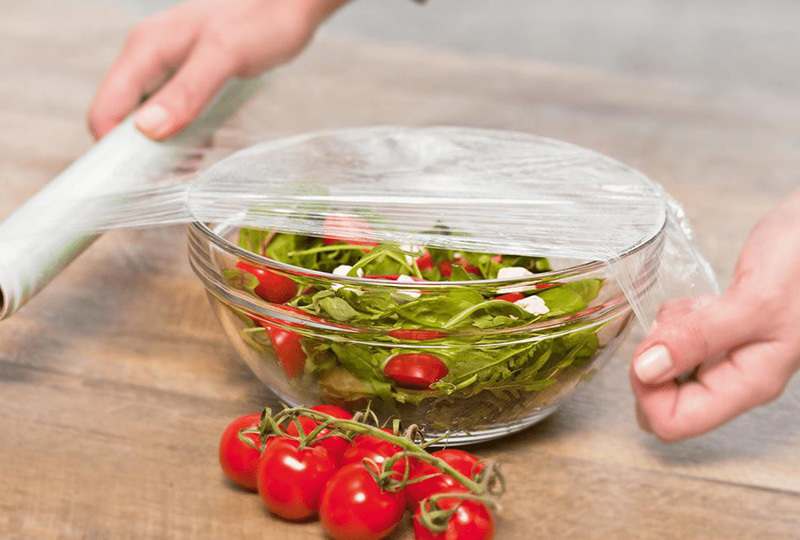
- Wrapping sandwiches and leftovers to keep them fresh.
- Covering food items in restaurants for hygiene and freshness.
- Sealing products for shipping, preventing contamination and spoilage.
- Protecting surfaces in arts, crafts, and painting projects.
The Importance of Thickness in PVC Cling Film
The thickness of cling film is not merely a matter of preference; it plays a crucial role in functionality and performance. The thickness is typically measured in microns, with a range that can significantly influence the film's effectiveness.
How Thickness Affects Performance
When it comes to cling film, thickness can impact several factors:
- Durability: Thicker films tend to be stronger and more resistant to tearing, making them suitable for heavier or sharper items.
- Clinginess: The ability of the film to adhere to surfaces and itself can vary with thickness; often, a balance must be struck between thickness and cling.
- Elasticity: Thinner films are generally more elastic, allowing for better stretch and coverage. However, they may lack the sturdiness needed for certain applications.
- Barrier Properties: Thickness can also influence the film's ability to provide a barrier against moisture, air, and contaminants, which is essential for preserving food quality.
Standard Thickness Options
When purchasing **hand PVC cling film**, it is crucial to be aware of the various thickness options available:
- 9 Microns: Ideal for light-duty applications, such as wrapping sandwiches or covering bowls.
- 12 Microns: A versatile option that balances strength and flexibility, suitable for a range of food items and small packages.
- 15 Microns: Recommended for heavier products or items with sharp edges, offering enhanced durability.
- 20 Microns and above: Designed for industrial use, providing maximum protection and strength for heavy-duty packaging.
Factors to Consider When Choosing Thickness
Selecting the right thickness for your **hand PVC cling film** involves assessing your specific needs and applications. Here are some key factors to consider:
Type of Product Being Wrapped
The nature of the product plays a significant role in determining the required thickness. For lighter food items, a thinner film may suffice, but for heavier or sharper products, a thicker film is essential to prevent tearing and damage.
Storage Conditions
Understanding the storage conditions is vital. If products will be stored in a refrigerator or freezer, the cling film must withstand moisture and temperature fluctuations. Thicker films generally provide better protection in these environments.
Regulatory Requirements
Depending on the industry, there may be regulatory requirements regarding packaging materials. Ensure that the thickness you choose complies with any pertinent food safety or packaging guidelines.
Cost Considerations
While thicker films may offer better performance, they also tend to be more expensive. It’s essential to balance cost-effectiveness with the needs of your specific application to achieve the best results.
Applications of Hand PVC Cling Film by Thickness
Understanding how different thicknesses can be utilized across various applications can further guide your decision-making process.
Light-Duty Applications (9-12 Microns)
These thinner films are perfect for:
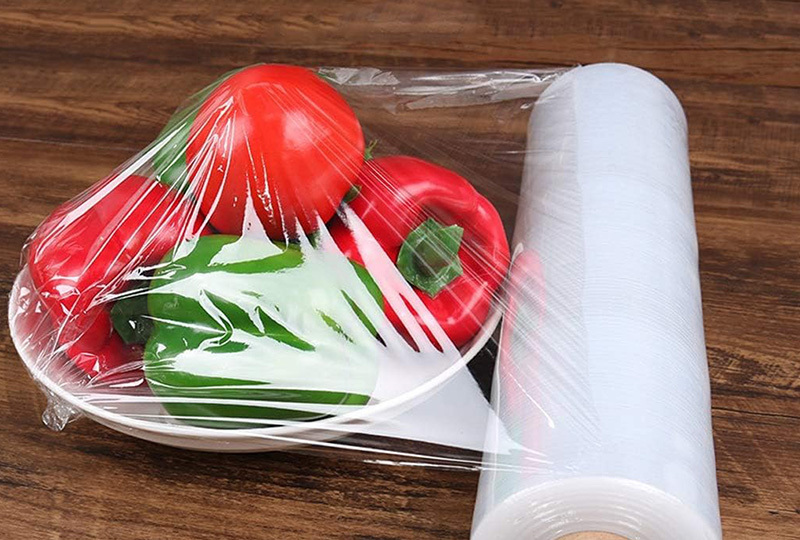
- Wrapping fruits and vegetables in grocery stores.
- Covering dishes and bowls in restaurants.
- Lightweight packaging for sandwiches and snacks.
Medium-Duty Applications (12-15 Microns)
This thickness range is ideal for:
- Wrapping meat and poultry products.
- Packaging baked goods while maintaining freshness.
- Covering various food items during storage in kitchens.
Heavy-Duty Applications (15-20 Microns)
Thicker films are suited for:
- Industrial packaging for shipping bulky items.
- Protecting sharp tools or products during transit.
- Long-term food preservation in commercial settings.
Best Practices for Using PVC Cling Film
To maximize the effectiveness of your **hand PVC cling film**, adhering to best practices is essential:
Proper Application Techniques
Ensure that the cling film is applied smoothly without air pockets, as this can compromise its sealing properties. For food items, wrap tightly to prevent exposure to air.
Using the Right Tools
Consider using dispensers or cutting tools designed for cling film. This can help achieve a clean cut and ensure that the film is used efficiently without waste.
Storage Recommendations
Store your cling film in a cool, dry place away from direct sunlight to prevent degradation of the material. Proper storage can extend the film's shelf life and maintain its performance.
Frequently Asked Questions (FAQs)
1. What is the ideal thickness for food preservation?
Generally, a thickness of 12-15 microns is ideal for most food preservation needs, balancing flexibility and durability.
2. Can I use PVC cling film for wrapping hot food?
It is not recommended to use cling film on hot food, as the heat can cause the film to warp or release harmful chemicals. Allow food to cool before wrapping.
3. Is PVC cling film recyclable?
PVC cling film is not widely recyclable. It is best to dispose of it in general waste unless your local program specifies otherwise.
4. How can I tell if my cling film is too thin?
If you find the film tearing easily or not adhering properly, it may be too thin for your application. Consider switching to a thicker option.
5. What are the environmental impacts of PVC cling film?
PVC cling film is derived from non-renewable resources and can pose environmental concerns. Consider alternatives like biodegradable or compostable films for eco-friendly options.
Conclusion
Choosing the right thickness of **hand PVC cling film** is a critical aspect of effective packaging. Understanding the performance characteristics based on thickness, considering your specific application, and adhering to best practices can significantly enhance your packaging solutions. By making informed choices, you can ensure that your products remain fresh, protected, and ready for delivery, all while optimizing your packaging process for efficiency and effectiveness. Investing time in understanding these parameters will not only elevate your operations but also contribute to better product preservation in the long run.
Related News
What are the characteristics of PVC fresh-keeping film for food preservation

Can PVC plastic wrap be heated in a microwave oven?
What is the difference between PVC cling film and PE cling film
The choice of PVC cling film need to pay attention to what

Professional Cling Film Manufacturer
Address: No.3 Jiefang road (east) Cangzhou Economy Development Zone, Cangzhou City, Hebei province, China.
Please leave your email, we will contact you as soon as possible, thank you!