

Transform Your Food Storage with Eco-Friendly Cling Film
Release time:
Jan 08,2026
Transform Your Food Storage with Eco-Friendly Cling Film Table of Contents 1. Introduction to Eco-Friendly Cling Film 2. Why Choose Eco-Friendly Cling Film? 3. Key Features of Eco-Friendly Cling Film 4. How to Use Eco-Friendly Cling Film Effectively 5. Comparing Eco-Friendly Cling Film with Traditional Plastic Wrap 6. Environmental Impact of Cling Film: A Sustainable Perspective 7.
Transform Your Food Storage with Eco-Friendly Cling Film
Table of Contents
1. Introduction to Eco-Friendly Cling Film
2. Why Choose Eco-Friendly Cling Film?
3. Key Features of Eco-Friendly Cling Film
4. How to Use Eco-Friendly Cling Film Effectively
5. Comparing Eco-Friendly Cling Film with Traditional Plastic Wrap
6. Environmental Impact of Cling Film: A Sustainable Perspective
7. Frequently Asked Questions (FAQs)
8. Conclusion: Embrace Sustainable Food Storage
1. Introduction to Eco-Friendly Cling Film
In an era where environmental consciousness is more critical than ever, eco-friendly cling film emerges as a revolutionary solution for food storage. This product not only preserves the freshness of your food but also aligns with sustainable practices that reduce plastic waste. With a growing demand for environmentally friendly alternatives, eco-friendly cling film is making waves in households around the globe. Let’s delve deeper into what eco-friendly cling film is and why it should become a staple in your kitchen.
2. Why Choose Eco-Friendly Cling Film?
Making the switch to eco-friendly cling film is not just a trend; it’s a lifestyle choice that reflects a commitment to the planet. Here are the compelling reasons to make this shift:
2.1 Reducing Plastic Waste
Traditional plastic wraps contribute significantly to landfill waste. Eco-friendly cling film is often made from biodegradable materials that break down more quickly than conventional plastics, helping to reduce your environmental footprint.
2.2 Healthier for You and Your Family
Many traditional cling films contain harmful chemicals like BPA and phthalates, which can leach into food. Eco-friendly alternatives are typically free from these substances, offering a safer option for food storage.
2.3 Versatility and Convenience
Eco-friendly cling film is just as versatile as its traditional counterpart. It can wrap sandwiches, cover bowls, and seal in the freshness of fruits and vegetables without compromising quality.
3. Key Features of Eco-Friendly Cling Film
Understanding the features of eco-friendly cling film can help you make an informed choice. Here are some essential characteristics:
3.1 Biodegradable Materials
Most eco-friendly cling films are made from plant-based materials or other biodegradable substances. This ensures that, when disposed of, they won’t linger in landfills for centuries.
3.2 Strong Adhesive Properties
Despite being environmentally friendly, these cling films maintain excellent sticking capabilities. This ensures a tight seal, keeping your food fresh and preventing contamination.
3.3 Microwave and Freezer Safe
Many eco-friendly cling films can withstand both freezer and microwave temperatures, making them practical for various food storage needs. This feature allows you to heat or freeze your meals without worrying about harmful chemicals leaching into the food.
4. How to Use Eco-Friendly Cling Film Effectively
Using eco-friendly cling film is straightforward. Here are some tips to maximize its benefits:
4.1 Proper Wrapping Techniques
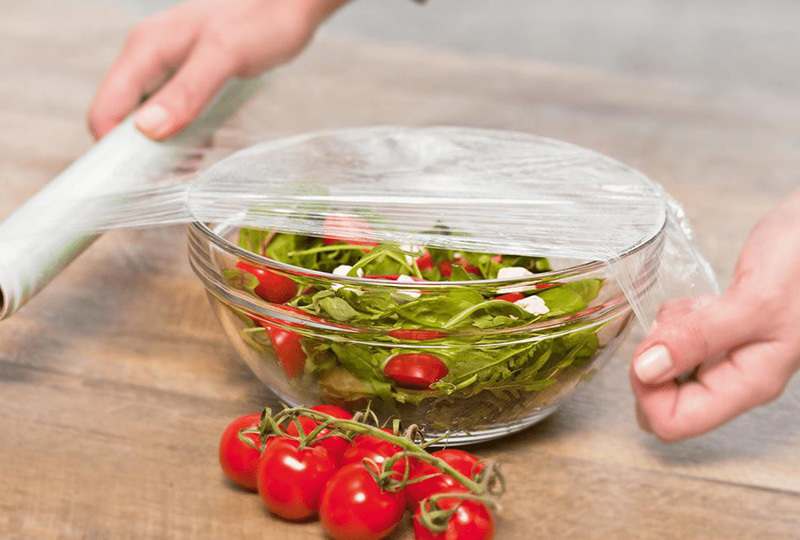
To ensure a proper seal, make sure the surface of the item you’re wrapping is clean and dry. Lay the cling film flat, pull it over the food item, and press down firmly to eliminate air pockets.
4.2 Storage Tips
For optimal freshness, always store wrapped items in a cool, dry place. If wrapping leftovers, allow the food to cool before sealing to prevent condensation.
4.3 Reusability Guidelines
Some eco-friendly cling films can be rinsed and reused. Check the product details for specific instructions on how to clean and reuse your cling film effectively.
5. Comparing Eco-Friendly Cling Film with Traditional Plastic Wrap
Understanding the differences between eco-friendly cling film and traditional plastic wrap can help you make an informed choice. Here’s how they stack up:
5.1 Environmental Impact
Traditional plastic wraps are made from petroleum-based materials, which contribute to environmental degradation. In contrast, eco-friendly cling films are biodegradable and often compostable, significantly reducing environmental harm.
5.2 Chemical Composition
Many traditional wraps contain harmful chemicals that can migrate into food. Eco-friendly options are typically made from safe, natural ingredients, ensuring food safety and promoting health.
5.3 Cost Comparison
While eco-friendly cling films may sometimes be priced higher, the long-term benefits of health and environmental protection outweigh the initial investment.
6. Environmental Impact of Cling Film: A Sustainable Perspective
The environmental toll of plastic waste is staggering. Cling film, while convenient, contributes to this crisis. By choosing eco-friendly cling film, you are participating in a larger movement toward sustainability.
6.1 The Plastic Pollution Crisis
Globally, millions of tons of plastic waste find their way into oceans and landscapes, harming wildlife and ecosystems. Switching to biodegradable options is a step toward mitigating this crisis.
6.2 Composting Benefits
Biodegradable cling films typically break down in composting conditions, returning nutrients to the soil. This contributes to a circular economy, where waste is transformed into valuable resources.
6.3 Community Impact
Choosing eco-friendly products promotes a culture of sustainability within communities. As more individuals opt for biodegradable alternatives, businesses are encouraged to adopt environmentally friendly practices.
7. Frequently Asked Questions (FAQs)
7.1 Is eco-friendly cling film safe for food storage?
Yes, eco-friendly cling films are designed to be safe for food contact, often made from natural materials free of harmful chemicals.
7.2 Can I use eco-friendly cling film in the microwave?
Many eco-friendly cling films are microwave-safe, but always check the product instructions to ensure safe usage.
7.3 How do I dispose of eco-friendly cling film?
Most eco-friendly cling films can be composted, but be sure to read the packaging for specific disposal instructions.
7.4 Is eco-friendly cling film more expensive than traditional options?
While the initial cost may be higher, the long-term environmental and health benefits make it a worthwhile investment.
7.5 Where can I buy eco-friendly cling film?
You can find eco-friendly cling film at most grocery stores, health food stores, or online retailers specializing in sustainable products.
8. Conclusion: Embrace Sustainable Food Storage
Transforming your food storage practices is not just about convenience; it's about making choices that benefit our planet. Eco-friendly cling film combines functionality with sustainability, offering a brilliant alternative to traditional plastic wraps. By embracing this innovative product, you not only keep your food fresh but also contribute to a healthier environment. Join the movement towards sustainable living and make the switch to eco-friendly cling film today!
Related News
What are the characteristics of PVC fresh-keeping film for food preservation

Can PVC plastic wrap be heated in a microwave oven?
What is the difference between PVC cling film and PE cling film
The choice of PVC cling film need to pay attention to what

Professional Cling Film Manufacturer
Address: No.3 Jiefang road (east) Cangzhou Economy Development Zone, Cangzhou City, Hebei province, China.
Please leave your email, we will contact you as soon as possible, thank you!