

Understanding PVC Stretch Film: Essential Insights for Professionals in Packaging
Release time:
Jan 15,2026
PVC stretch film, a type of plastic wrapping material, is widely recognized for its ability to cling tightly to various surfaces. It is manufactured primarily from polyvinyl chloride (PVC), which contributes to its elasticity and strength. This film is designed to stretch and conform to the shape of the products it wraps, providing a secure and protective barrier that keeps items safe during stora
One of the key features of PVC stretch film is its high clarity, which allows for easy visibility of packaged products. This transparency is particularly beneficial in retail settings, as it enhances product presentation while providing tamper evidence. Moreover, the film’s excellent puncture resistance ensures that the wrapped items are protected against potential damage, making it a popular choice for industries ranging from food and beverage to electronics.
In addition to its protective qualities, PVC stretch film exhibits superior cling properties, which means that it can securely hold multiple items together without the need for additional adhesives or fasteners. This characteristic not only simplifies the packaging process but also reduces the amount of material required, contributing to cost savings and improved efficiency. The ability to wrap products tightly minimizes the risk of shifting during transit, further ensuring that items arrive at their destination in pristine condition.
Environmental considerations are increasingly important in today's packaging landscape. While PVC stretch film offers several advantages, it is essential for professionals to be aware of the recycling and disposal options available. Researching local recycling regulations and exploring alternative materials for specific applications can enhance sustainability efforts within the packaging industry.
When selecting PVC stretch film, professionals should consider various factors, including the thickness of the film, the type of products being wrapped, and the storage conditions. Choosing the right film thickness can directly impact the performance and cost-effectiveness of the packaging solution. Additionally, factors like UV resistance and temperature tolerance can affect the film’s suitability for specific environments.
In summary, PVC stretch film is a vital component in the packaging sector, offering numerous benefits such as flexibility, strength, and visibility. By understanding its properties and applications, packaging professionals can make informed choices that enhance their operational efficiency and product presentation. As the industry continues to evolve, staying informed about materials like PVC stretch film will be crucial for maintaining a competitive edge in the market.
Related News
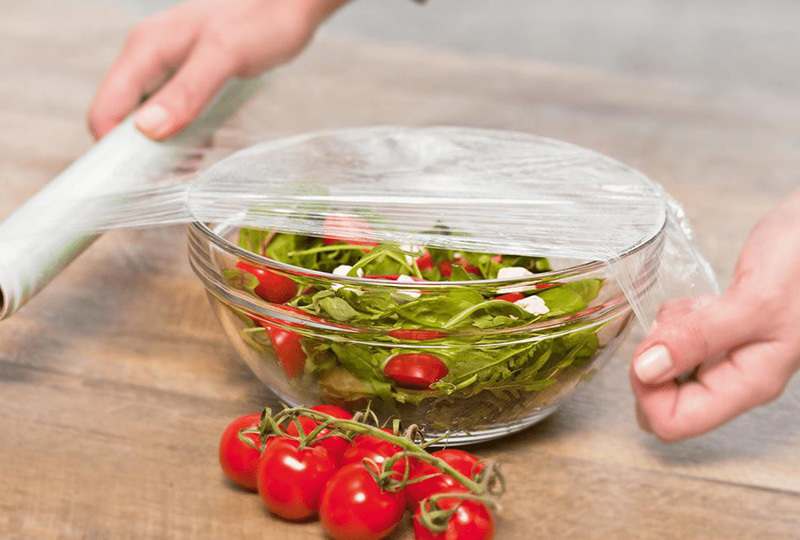
What are the characteristics of PVC fresh-keeping film for food preservation

Can PVC plastic wrap be heated in a microwave oven?
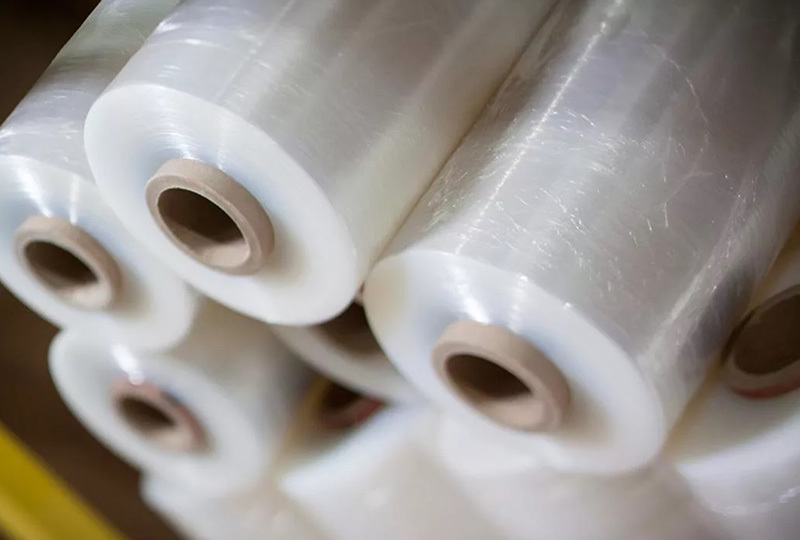
What is the difference between PVC cling film and PE cling film
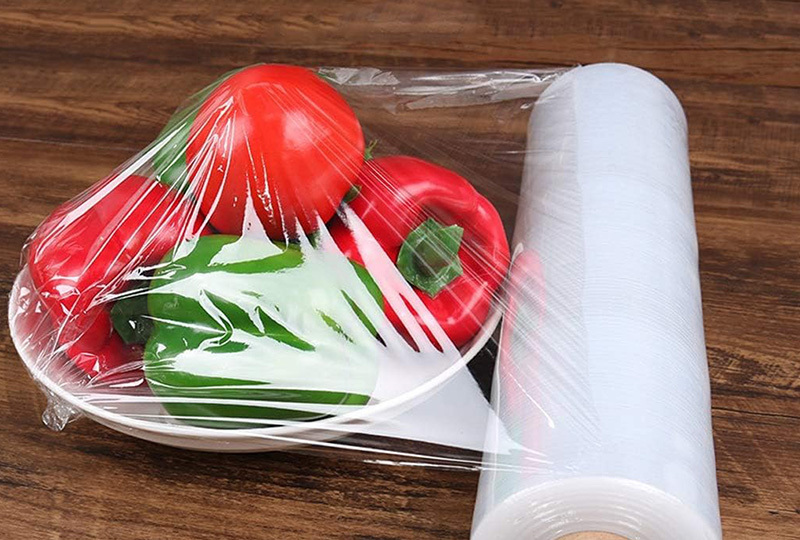
The choice of PVC cling film need to pay attention to what

Professional Cling Film Manufacturer
Address: No.3 Jiefang road (east) Cangzhou Economy Development Zone, Cangzhou City, Hebei province, China.
Please leave your email, we will contact you as soon as possible, thank you!