

Eco-Friendly Cling Film: The Ultimate Solution for Meal Prep and Food Storage
Release time:
Jan 16,2026
Eco-Friendly Cling Film: The Ultimate Solution for Meal Prep and Food Storage Table of Contents 1. Introduction to Eco-Friendly Cling Film 2. What is Eco-Friendly Cling Film? 3. Benefits of Using Eco-Friendly Cling Film 4. Eco-Friendly Cling Film vs. Traditional Cling Film 5. How to Use Eco-Friendly Cling Film for Meal Prep 6. Best Storage Tips with Eco-Friendly Cling Film
Eco-Friendly Cling Film: The Ultimate Solution for Meal Prep and Food Storage
Table of Contents
- 1. Introduction to Eco-Friendly Cling Film
- 2. What is Eco-Friendly Cling Film?
- 3. Benefits of Using Eco-Friendly Cling Film
- 4. Eco-Friendly Cling Film vs. Traditional Cling Film
- 5. How to Use Eco-Friendly Cling Film for Meal Prep
- 6. Best Storage Tips with Eco-Friendly Cling Film
- 7. Frequently Asked Questions
- 8. Conclusion
1. Introduction to Eco-Friendly Cling Film
In today's environmentally conscious world, finding sustainable alternatives to everyday products is essential. **Eco-friendly cling film** offers a perfect solution for those who want to maintain food freshness while minimizing environmental impact. This article explores the various aspects of eco-friendly cling film, including its benefits, uses, and how it compares to traditional cling film.
2. What is Eco-Friendly Cling Film?
**Eco-friendly cling film** is a biodegradable and compostable food wrap made from renewable materials. Unlike conventional cling film, which is often petroleum-based and contributes to plastic waste, eco-friendly options utilize materials such as plant-derived polymers. This innovation allows for effective food preservation without harming the environment.
The Composition of Eco-Friendly Cling Film
Most eco-friendly cling films are derived from natural resources such as cornstarch or sugarcane. These materials undergo a transformation process to create a versatile wrap that is both strong and flexible. Additionally, the manufacturing of these films often involves fewer harmful chemicals, making them a safer choice for both users and the planet.
3. Benefits of Using Eco-Friendly Cling Film
Utilizing eco-friendly cling film comes with a myriad of benefits that cater to health-conscious consumers and environmentally-aware individuals alike.
Preserves Freshness
Eco-friendly cling film effectively seals in moisture and keeps food fresh, just like traditional options. This preservation capability ensures that fruits, vegetables, and leftovers remain tasty for longer periods, reducing food waste.
Biodegradability and Compostability
One of the standout features of eco-friendly cling film is its ability to break down naturally over time. Unlike regular plastic wrap, which can take hundreds of years to decompose, these films can compost under the right conditions, returning nutrients to the soil.
Reduced Environmental Impact
By choosing eco-friendly cling film, consumers contribute to reducing plastic pollution. This conscious decision helps lessen the volume of plastic waste in landfills and oceans, supporting global efforts to combat climate change.
Safe for Food Contact
Most eco-friendly cling films are free from harmful chemicals like BPA and phthalates, making them a safer option for food storage. Users can rest easy knowing that their food is not coming into contact with potentially harmful substances.
4. Eco-Friendly Cling Film vs. Traditional Cling Film
Understanding the differences between eco-friendly and traditional cling film can guide consumers in making informed choices.
Material Source
Traditional cling films are often made from PVC or LDPE, both derived from petroleum, while eco-friendly options are produced from natural, renewable sources. This fundamental difference plays a critical role in their environmental impact.
Decomposition Time
As previously mentioned, traditional cling films can take centuries to break down, whereas eco-friendly cling film can decompose within a few months in composting conditions.
Health Concerns
Traditional cling films may contain harmful additives that could leach into food. Eco-friendly cling films prioritize safety and health, ensuring they are free from harmful substances.
5. How to Use Eco-Friendly Cling Film for Meal Prep
Using eco-friendly cling film for meal prep is simple and effective. Following these steps can help maximize its benefits:
Step 1: Prepare Your Ingredients
Before wrapping, ensure that your food items are clean and dry. Remove any excess moisture to avoid sogginess and maintain freshness.
Step 2: Cut the Appropriate Length
Cut a piece of cling film that is large enough to cover the food completely. This ensures an airtight seal for optimal preservation.
Step 3: Wrap Securely
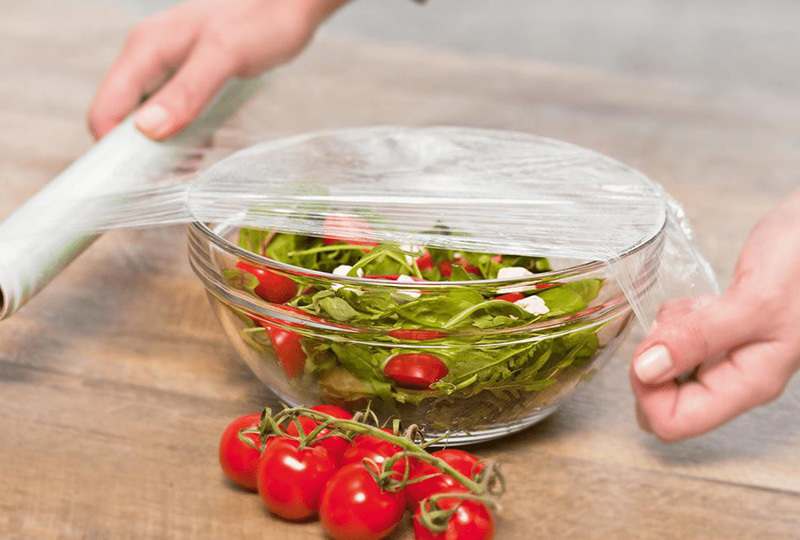
Place the food in the center of the cling film and fold the edges over the item. Press down firmly to create a tight seal.
Step 4: Label and Date
For better organization, consider labeling your wrapped food with the date and contents. This practice helps in managing your meal prep efficiently.
6. Best Storage Tips with Eco-Friendly Cling Film
Maximizing the effectiveness of eco-friendly cling film requires proper storage techniques.
Store in a Cool, Dry Place
To maintain its integrity, store your cling film in a cool, dry area away from direct sunlight. Excessive heat can compromise its performance.
Avoiding Cross-Contamination
Always wrap different food items separately to prevent cross-contamination. This practice is essential for food safety.
Refrigeration and Freezing
Eco-friendly cling film is suitable for both refrigeration and freezing. Ensure that the cling film is tightly sealed to avoid freezer burn and maintain freshness.
Use for Leftovers
Eco-friendly cling film works wonders for storing leftovers. Simply wrap the dish securely and store it in the refrigerator for later consumption.
7. Frequently Asked Questions
1. Is eco-friendly cling film safe for food storage?
Yes, eco-friendly cling film is safe for food storage and is typically free from harmful chemicals.
2. Can eco-friendly cling film be used in the microwave?
While some eco-friendly cling films can be used in the microwave, always check the manufacturer's guidelines for safety instructions.
3. How long does eco-friendly cling film last?
The shelf life of eco-friendly cling film varies by brand but generally lasts 12-24 months if stored correctly.
4. Can I compost eco-friendly cling film?
Yes, eco-friendly cling films are designed to be compostable, but always ensure they are disposed of in suitable composting conditions.
5. Where can I buy eco-friendly cling film?
Eco-friendly cling film can be found at most health food stores, eco-friendly product retailers, and online marketplaces.
8. Conclusion
In conclusion, **eco-friendly cling film** serves as an exceptional alternative for meal prep and food storage, combining functionality with sustainability. By opting for this innovative product, you contribute to a healthier planet while enjoying the benefits of keeping your food fresh and safe. Making the switch to eco-friendly cling film not only enhances your meal prep experience but also aligns with a more sustainable lifestyle. With its numerous advantages, it’s clear that eco-friendly cling film is a wise choice for any environmentally conscious consumer.
Related News
What are the characteristics of PVC fresh-keeping film for food preservation

Can PVC plastic wrap be heated in a microwave oven?
What is the difference between PVC cling film and PE cling film
The choice of PVC cling film need to pay attention to what

Professional Cling Film Manufacturer
Address: No.3 Jiefang road (east) Cangzhou Economy Development Zone, Cangzhou City, Hebei province, China.
Please leave your email, we will contact you as soon as possible, thank you!