

Maximizing Freshness: The Importance of PVC Food Wrapping Film in Packaging
Release time:
Jan 17,2026
PVC food wrapping film, often referred to as polyvinyl chloride film, is a critical component in the packaging industry, especially in the realm of food preservation. This versatile material is favored for its excellent clarity, stretchability, and barrier properties, making it an ideal choice for keeping food fresh and secure. By utilizing PVC food wrapping film, businesses can significantly exte
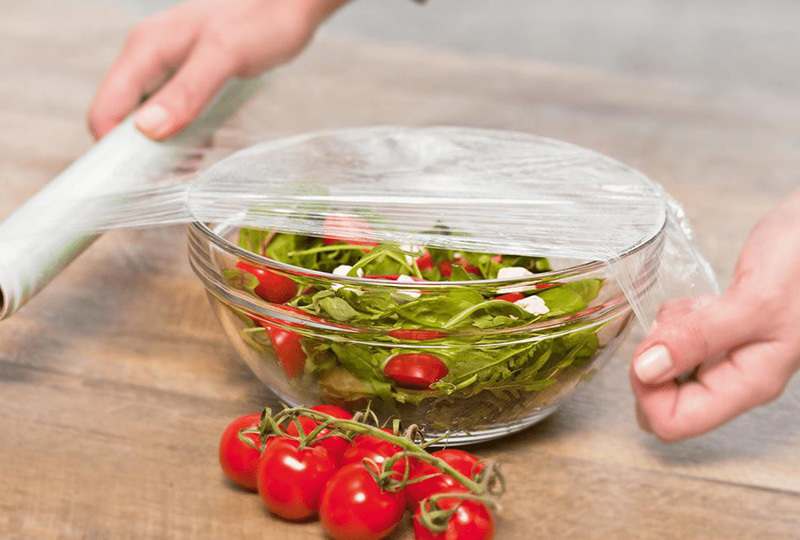
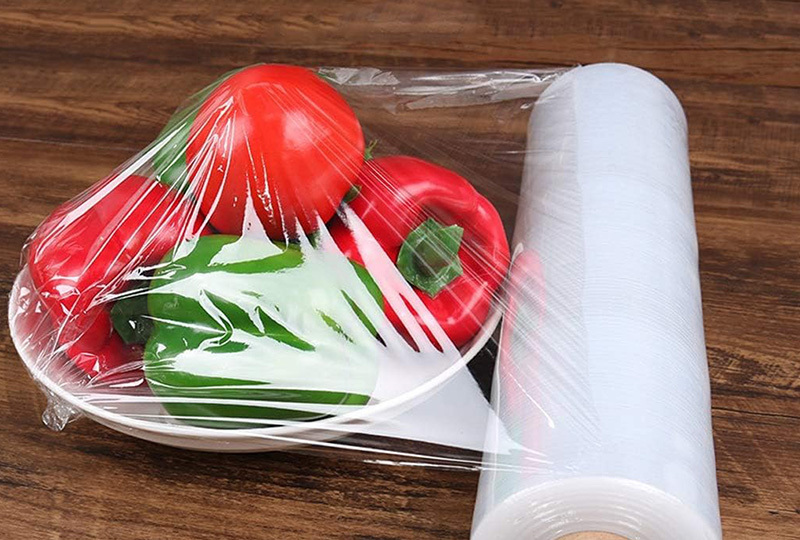
One of the primary advantages of PVC food wrapping film is its ability to create airtight seals. This feature is essential in preventing moisture loss and protecting food from external contaminants. The film’s excellent cling properties allow it to wrap tightly around various food items, such as fruits, vegetables, meats, and baked goods. When wrapped correctly, these items maintain their freshness longer, preserving flavor and nutritional value.
In addition to its functional benefits, PVC food wrapping film also enhances product presentation. The glossy surface of the film provides an attractive display for food products, making them more appealing to consumers. This visual appeal is crucial in retail environments where packaging plays a significant role in consumer purchasing decisions. By incorporating high-quality PVC food wrapping film, businesses can improve their branding and overall market presence.
When considering the application of PVC food wrapping film, it is essential to adhere to best practices to maximize its effectiveness. Firstly, ensure that the food surface is clean and dry before wrapping. This practice prevents the film from sticking poorly and allows for a better seal. Secondly, it is advisable to use the correct thickness of film for different applications, as thicker films provide better puncture resistance while thinner films offer more flexibility.
It is also important to note the environmental considerations associated with PVC food wrapping film. While it offers numerous benefits, businesses should stay informed about recycling initiatives and regulations regarding plastic waste. Adopting sustainable practices, such as encouraging customers to recycle used wrapping films, not only contributes to environmental conservation but also enhances brand image in the eyes of eco-conscious consumers.
In conclusion, PVC food wrapping film is a vital tool in the packaging industry, providing businesses with the means to enhance food freshness, improve product presentation, and reduce waste. By understanding its properties and applications, professionals can make informed decisions that elevate their packaging solutions and meet the demands of today’s market.
Related News
What are the characteristics of PVC fresh-keeping film for food preservation

Can PVC plastic wrap be heated in a microwave oven?
What is the difference between PVC cling film and PE cling film
The choice of PVC cling film need to pay attention to what

Professional Cling Film Manufacturer
Address: No.3 Jiefang road (east) Cangzhou Economy Development Zone, Cangzhou City, Hebei province, China.
Please leave your email, we will contact you as soon as possible, thank you!