

A Closer Look at the Production Process of PVC Wrap Film
Release time:
Jan 18,2026
A Closer Look at the Production Process of PVC Wrap Film Introduction to PVC Wrap Film PVC wrap film is a versatile packaging solution widely used across various industries, including food service, retail, and manufacturing. Known for its flexibility, strength, and ability to protect products from moisture and contamination, PVC wrap film plays a crucial role in modern packaging practices. Underst
A Closer Look at the Production Process of PVC Wrap Film
Introduction to PVC Wrap Film
PVC wrap film is a versatile packaging solution widely used across various industries, including food service, retail, and manufacturing. Known for its flexibility, strength, and ability to protect products from moisture and contamination, PVC wrap film plays a crucial role in modern packaging practices. Understanding the production process of PVC wrap film is essential for businesses looking to optimize their packaging strategies and enhance product preservation.
Understanding PVC: The Building Block of Wrap Film
Before diving into the production process, it’s essential to understand what PVC (Polyvinyl Chloride) is. PVC is a synthetic plastic polymer that is the third most widely produced plastic globally. Its chemical structure allows it to be both rigid and flexible, making it an ideal choice for various applications, including wrap films.
The Advantages of PVC in Packaging
PVC wrap film offers several benefits. Its clarity allows consumers to see the product inside, while its stretchability and durability ensure protection during transportation and storage. Additionally, PVC is recyclable, adding an eco-friendly aspect to its use in packaging.
The Raw Materials for PVC Wrap Film Production
The production of PVC wrap film begins with the careful selection of raw materials. The primary components include:
PVC Resin
The primary ingredient in PVC wrap film is PVC resin. This resin is produced through a polymerization process that converts vinyl chloride monomer into solid PVC. The quality of the resin directly impacts the final product's performance.
Additives
Various additives are incorporated into the PVC mixture to enhance its properties. These include:
- **Plasticizers** to increase flexibility and softness
- **Stabilizers** to enhance thermal stability during processing
- **Colorants** for aesthetic appeal
- **Anti-block agents** to prevent the film from sticking together
The precise formulation ensures the final wrap film meets specific industry standards.
The Stages of PVC Wrap Film Production
The manufacturing process of PVC wrap film involves several stages, each critical to producing high-quality materials.
1. Compounding
The first step in the production process is compounding. The raw PVC resin is blended with various additives in a mixer, where heat and mechanical action combine these materials into a homogeneous mixture. This step is vital to ensure consistent quality throughout the film.
2. Extrusion
Once the compound is ready, it undergoes extrusion, where it is heated and forced through a die to create a continuous sheet of film. This stage is crucial for achieving the desired thickness and width of the film. The sheet is then cooled and solidified before moving to the next stage.
3. Orientation
Orientation is a process that stretches the film in one or more directions. This step enhances the film's mechanical properties, such as tensile strength and clarity. The biaxial orientation process stretches the film both longitudinally and laterally, providing optimal performance characteristics.
4. Surface Treatment
To improve printability and adhesion properties, the film undergoes surface treatment. This process can involve corona treatment or flame treatment, which increases the surface energy of the film, making it more receptive to inks and adhesives.
5. Slitting and Packaging
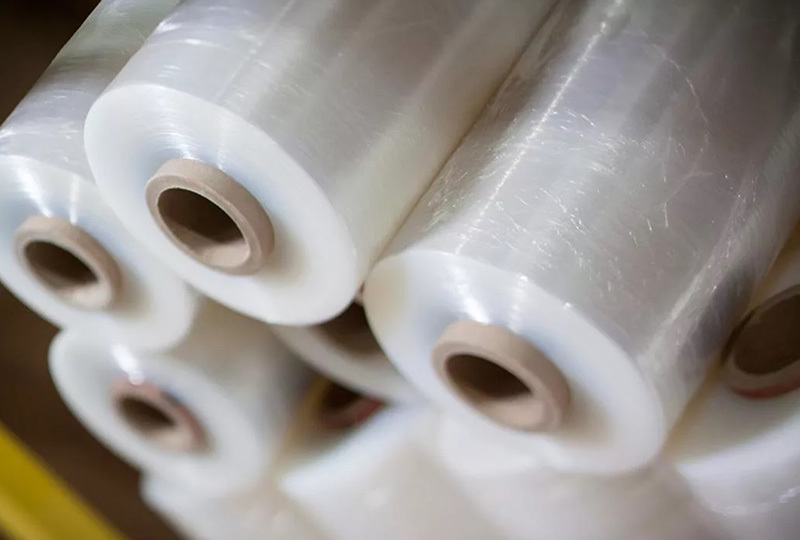
After surface treatment, the film is then slit into desired widths and lengths, making it ready for various applications. The final product is carefully packaged to prevent any damage during transportation and storage.
Quality Control in PVC Wrap Film Production
Quality control is paramount throughout the production process. Various tests are conducted to ensure the film meets industry standards and customer expectations. These include:
Physical Testing
Physical tests assess the film's thickness, tensile strength, and elongation properties. These parameters are crucial for determining the film's suitability for specific applications.
Visual Inspection
A visual inspection is conducted to identify any defects such as bubbles, discoloration, or inconsistencies in thickness. Ensuring that the film is free from visual flaws is essential for maintaining quality standards.
Applications of PVC Wrap Film
PVC wrap film is utilized in numerous industries due to its beneficial properties. Its applications include:
1. Food Packaging
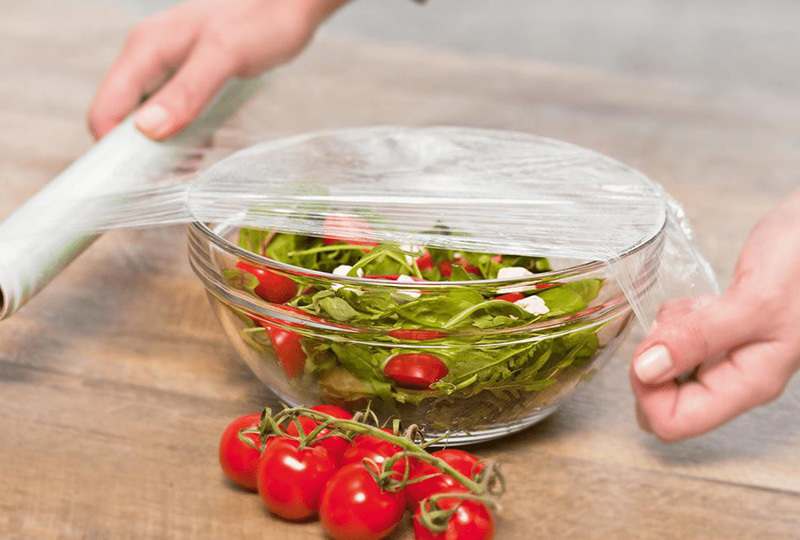
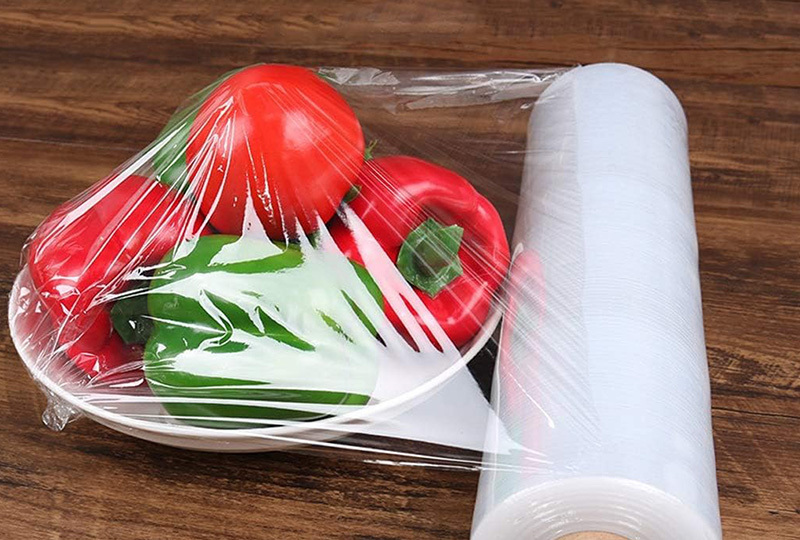
In the food industry, PVC wrap film is commonly used to preserve perishable items. It provides an airtight seal that helps maintain freshness and prevents contamination.
2. Retail Packaging
Retailers often employ PVC wrap film to package products for sale. Its clear appearance allows consumers to see the product while providing protection from damage.
3. Industrial Applications
In manufacturing and distribution, PVC wrap film is used to bundle products together for safe transport. Its strength and stretchability make it ideal for securing items on pallets.
The Future of PVC Wrap Film Production
The production of PVC wrap film is evolving, with a focus on sustainability and innovation. Manufacturers are exploring biodegradable alternatives and environmentally friendly additives to reduce the environmental impact of plastic packaging. Advancements in production technology also promise to enhance efficiency and reduce waste.
FAQs About PVC Wrap Film Production
What is PVC wrap film made of?
PVC wrap film is primarily made from polyvinyl chloride (PVC) resin, along with various additives that enhance its properties, such as plasticizers, stabilizers, and anti-block agents.
How is PVC wrap film produced?
The production process involves compounding raw materials, extruding the mixture into film, orienting it for strength, treating the surface for printability, and finally slitting and packaging it.
What are the main uses of PVC wrap film?
PVC wrap film is widely used in food packaging, retail packaging, and industrial applications, providing protection and extending the shelf life of products.
Is PVC wrap film recyclable?
Yes, PVC is recyclable. However, the availability of recycling facilities may vary by location, and it is essential to check local recycling guidelines.
What are the environmental concerns associated with PVC wrap film?
While PVC can be recycled, its production and disposal can pose environmental challenges. Manufacturers are working on sustainable alternatives to mitigate these issues.
Conclusion
The production process of PVC wrap film is a complex yet fascinating journey that combines science, engineering, and innovation. From the selection of raw materials to the intricate steps involved in manufacturing, each stage plays a vital role in creating a product that has transformed packaging across various industries. As we move toward a more sustainable future, the PVC wrap film industry is poised to adapt, ensuring it continues to meet the evolving needs of consumers and businesses alike. Understanding this process not only allows companies to make informed decisions but also underscores the importance of quality packaging in preserving products and enhancing their market appeal.
Related News
What are the characteristics of PVC fresh-keeping film for food preservation

Can PVC plastic wrap be heated in a microwave oven?
What is the difference between PVC cling film and PE cling film
The choice of PVC cling film need to pay attention to what

Professional Cling Film Manufacturer
Address: No.3 Jiefang road (east) Cangzhou Economy Development Zone, Cangzhou City, Hebei province, China.
Please leave your email, we will contact you as soon as possible, thank you!