

Understanding PVC Film for Food Grade Applications: Safety, Benefits, and Uses
Release time:
Jan 25,2026
PVC (Polyvinyl Chloride) film has gained popularity in the food packaging industry, especially in food grade applications. Understanding the properties and benefits of PVC film is crucial for anyone involved in packaging, printing, or the broader food industry. PVC film for food grade use is designed to meet specific safety standards, ensuring that the packed food remains uncontaminated and safe f
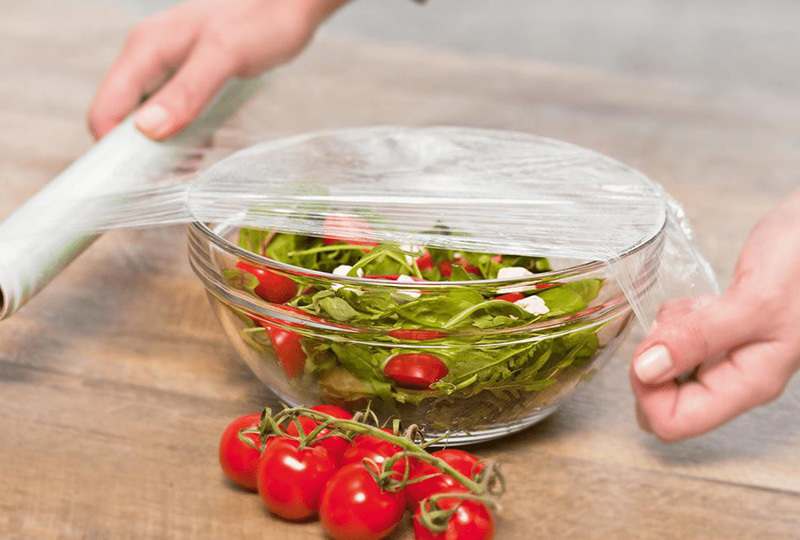
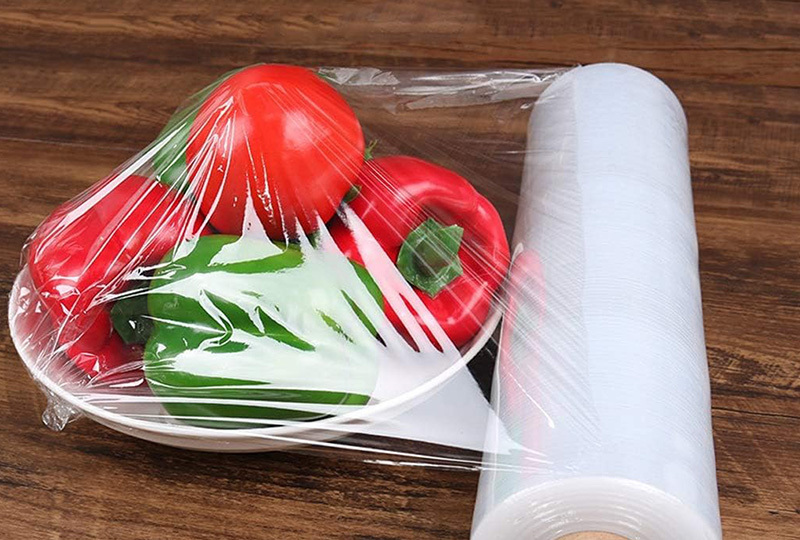
One of the primary advantages of PVC film is its excellent clarity and gloss, which not only enhances the visual appeal of packaged foods but also allows for easy visibility of the product inside. This transparency is particularly beneficial for retailers, as it can attract customers by showcasing the freshness and quality of the food items.
In addition to its aesthetic benefits, PVC film offers robust barrier properties, protecting food items from moisture, oxygen, and other external contaminants. This is vital for extending the shelf life of perishable goods, such as meats, cheeses, and vegetables. By effectively sealing in freshness and flavor, PVC film helps reduce food waste, which is an important consideration for both consumers and businesses alike.
Another important aspect of using PVC film for food grade applications is its compliance with food safety regulations. Manufacturers of food-grade PVC films must adhere to strict guidelines to ensure that their products do not leach harmful substances into food. This regulatory oversight guarantees that PVC films are safe for direct contact with food, making them a reliable choice for packaging.
Moreover, PVC film is often used for shrink wrapping, which can provide a tight and secure seal around food products. This method not only keeps the food fresh but also offers tamper evidence, which is a critical factor for consumer safety. Customers can easily see if a product has been altered, providing an extra layer of trust when purchasing packaged foods.
Furthermore, PVC film is known for its versatility. It can be used in a variety of packaging formats, including bags, wraps, and pouches. Its adaptability allows food producers to create customized packaging solutions that meet specific requirements, whether it’s for portion control, bulk packaging, or ready-to-eat meals.
In summary, PVC film for food grade applications is a valuable material in the food packaging industry. Its clear appearance, excellent barrier properties, compliance with safety regulations, and versatility make it an ideal choice for maintaining food quality and safety. Understanding these features can help businesses make informed decisions about their packaging needs and contribute to a more sustainable food supply chain.
Related News
What are the characteristics of PVC fresh-keeping film for food preservation

Can PVC plastic wrap be heated in a microwave oven?
What is the difference between PVC cling film and PE cling film
The choice of PVC cling film need to pay attention to what

Professional Cling Film Manufacturer
Address: No.3 Jiefang road (east) Cangzhou Economy Development Zone, Cangzhou City, Hebei province, China.
Please leave your email, we will contact you as soon as possible, thank you!