

The Future of Sustainable Packaging: Understanding Degradable Cling Film
Release time:
Jan 31,2026
Degradable cling film is a type of plastic wrap designed to break down more easily in the environment compared to traditional cling films. Typically made from polyethylene or other polymers, this innovative packaging solution incorporates additives that accelerate the degradation process. While standard cling film can take hundreds of years to decompose, degradable options can start breaking down
One of the primary advantages of degradable cling film is its ability to maintain the freshness of food and other products while minimizing waste. This film serves as an effective barrier against moisture, air, and contaminants, ensuring that products remain protected during storage and transportation. Businesses in the food industry, in particular, can benefit from this technology, as it allows them to meet customer demands for sustainable practices while preserving the quality of their offerings.
It is essential to differentiate between biodegradable and degradable cling film. While both types are designed to break down more quickly than traditional plastics, biodegradable materials are capable of being broken down by microorganisms into natural substances, leaving no harmful residues. In contrast, degradable cling film may still leave plastic fragments behind after the breakdown process. This distinction is important for consumers and businesses aiming to make environmentally conscious decisions.
Another factor to consider is the methods of disposal for degradable cling film. Although this type of film is designed to decompose more readily, it is still crucial to encourage proper disposal methods. If possible, consumers should look for facilities that can recycle or compost these materials. In cases where such facilities are not available, ensuring that degradable cling film is disposed of in a way that allows for optimal degradation—such as in a composting environment—can further enhance its eco-friendly benefits.
In conclusion, degradable cling film represents a significant step toward more sustainable packaging solutions. By choosing this type of film, businesses can contribute to reducing plastic pollution and promoting environmental responsibility. As the industry continues to evolve, the adoption of degradable cling film could play a critical role in shaping a greener future for packaging, helping to meet both consumer demands and environmental challenges.
Related News
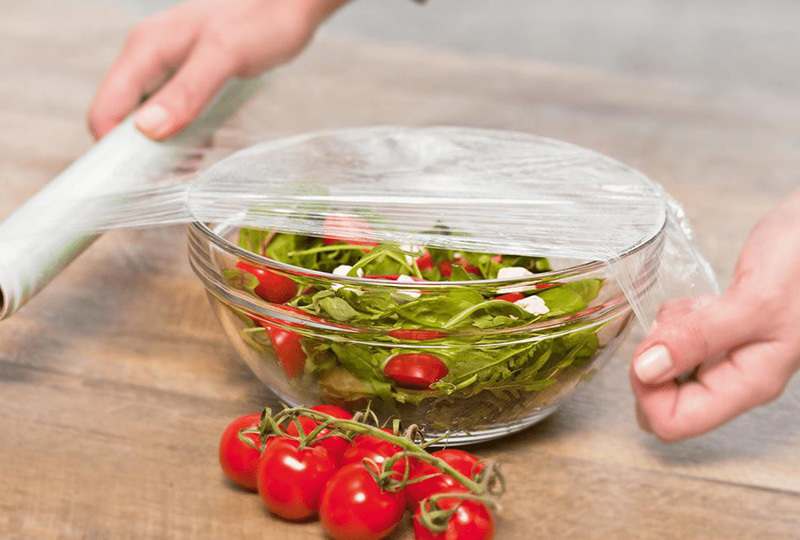
What are the characteristics of PVC fresh-keeping film for food preservation

Can PVC plastic wrap be heated in a microwave oven?
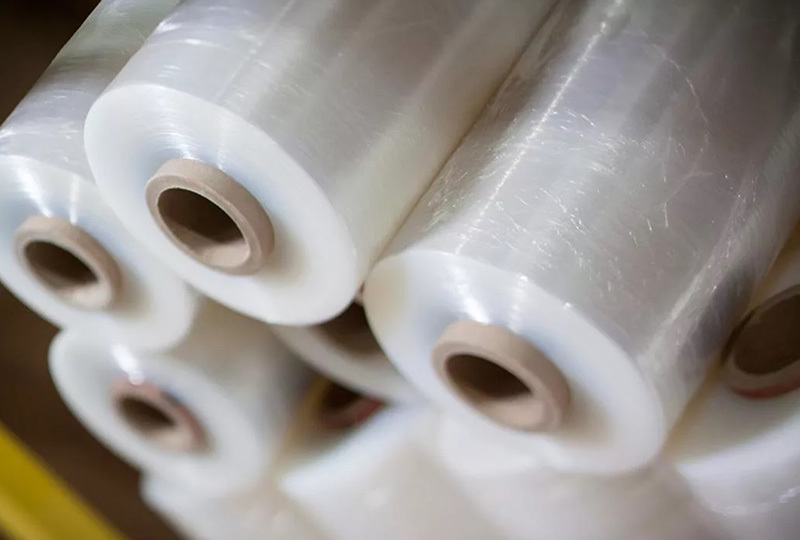
What is the difference between PVC cling film and PE cling film
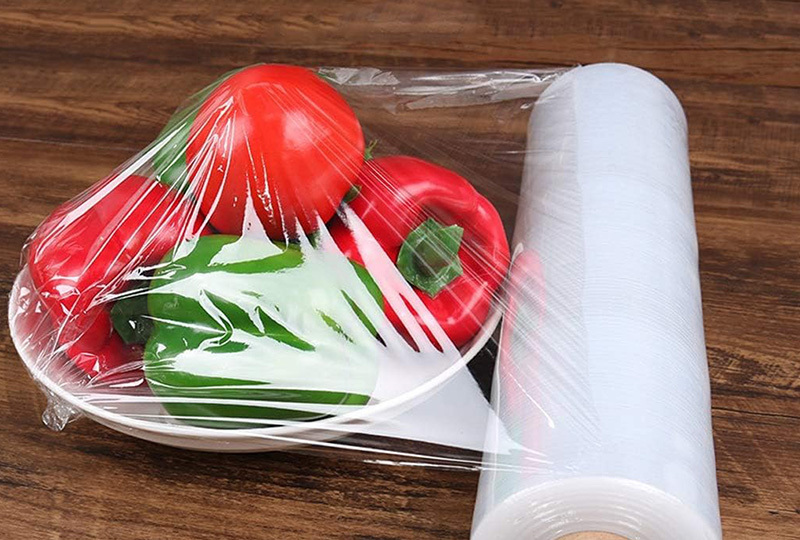
The choice of PVC cling film need to pay attention to what

Professional Cling Film Manufacturer
Address: No.3 Jiefang road (east) Cangzhou Economy Development Zone, Cangzhou City, Hebei province, China.
Please leave your email, we will contact you as soon as possible, thank you!