

How Vegetable Banding Film Enhances Packaging Efficiency
Release time:
Feb 15,2026
How Vegetable Banding Film Enhances Packaging Efficiency Table of Contents Introduction to Vegetable Banding Film What is Vegetable Banding Film? Benefits of Vegetable Banding Film Eco-Friendly Packaging Solutions Cost-Effectiveness in Packaging Enhanced Product Visibility Applications of Vegetable Banding Film
How Vegetable Banding Film Enhances Packaging Efficiency
Table of Contents
- Introduction to Vegetable Banding Film
- What is Vegetable Banding Film?
- Benefits of Vegetable Banding Film
- Applications of Vegetable Banding Film
- How to Choose the Right Banding Film
- Implementation Tips for Optimal Efficiency
- Frequently Asked Questions
- Conclusion
Introduction to Vegetable Banding Film
In today's fast-paced world, **efficiency in packaging** is paramount for businesses across various sectors. Vegetable banding film emerges as a cutting-edge solution that enhances the effectiveness and sustainability of packaging processes. This innovative material not only ensures the secure bundling of products but also contributes to eco-friendly practices. In this article, we will explore the multifaceted advantages of vegetable banding film and how it can significantly transform packaging efficiency.
What is Vegetable Banding Film?
Vegetable banding film is a specialized type of packaging material designed to securely wrap and bundle products, particularly in the agricultural sector. Made from bio-based materials, this film is biodegradable and compostable, making it an ideal choice for businesses looking to adopt sustainable practices. The film is available in various widths and thicknesses, allowing for versatile applications across a range of products.
Benefits of Vegetable Banding Film
The adoption of vegetable banding film brings forth numerous advantages that enhance packaging efficiency. Below, we delve deeper into some of the most significant benefits.
Eco-Friendly Packaging Solutions
One of the primary benefits of vegetable banding film is its commitment to **sustainability**. Unlike traditional plastic packaging, which can take centuries to decompose, vegetable banding film is crafted from renewable resources, significantly reducing the carbon footprint associated with packaging. By choosing this eco-friendly option, businesses not only comply with increasing environmental regulations but also cater to the growing consumer demand for sustainable products.
Cost-Effectiveness in Packaging
In addition to its environmental benefits, vegetable banding film offers substantial **cost savings**. Businesses can reduce material costs due to the film's lightweight nature, which lowers shipping expenses. Moreover, its easy application means less time and labor are required for packaging, translating to higher overall productivity and lower operational costs.
Enhanced Product Visibility
Another critical advantage of vegetable banding film is its ability to enhance the **visibility of products**. The film often comes in transparent or semi-transparent options, allowing consumers to easily view the packaged items. This feature is particularly beneficial in retail settings, where product presentation can significantly influence purchasing decisions.
Applications of Vegetable Banding Film
The versatility of vegetable banding film allows it to be utilized across various industries, with notable applications in the following areas:
Usage in Grocery Stores
In grocery stores, vegetable banding film is commonly used to bundle fresh produce, such as vegetables and fruits. Its ability to keep products together while allowing for airflow helps maintain freshness and quality, ultimately enhancing customer satisfaction. Retailers utilizing this film can also promote their commitment to sustainability, appealing to environmentally conscious shoppers.
Agricultural Products
Vegetable banding film is also widely used in packaging agricultural products like herbs, leafy greens, and root vegetables. By securing these items effectively, it minimizes the risk of damage during transportation and handling. This protection is crucial in maintaining the quality and longevity of perishable goods.
How to Choose the Right Banding Film
Selecting the appropriate vegetable banding film is essential for maximizing its benefits. Consider the following factors when making your choice:
1. **Material Composition**: Ensure the film is made from high-quality, biodegradable materials.
2. **Thickness**: The right thickness will depend on the type of products being packaged. Thicker films may be necessary for heavier items.
3. **Width**: Choose a width that adequately fits the items being bundled to prevent tearing or excessive overlapping.
4. **Printability**: If branding is essential, seek films that offer printability for labels or logos.
Implementation Tips for Optimal Efficiency
To maximize the efficiency of vegetable banding film in your packaging processes, consider the following tips:
1. **Train Staff**: Ensure that all employees involved in the packaging process are trained on how to use the banding equipment effectively.
2. **Regular Maintenance**: Keep banding machines well-maintained to prevent downtime and ensure smooth operation.
3. **Monitor Usage**: Keep track of the amount of banding film used to identify any potential waste or inefficiencies in the process.
4. **Customer Feedback**: Solicit feedback from customers regarding the packaging and make adjustments as necessary to enhance satisfaction.
Frequently Asked Questions
1. What is vegetable banding film made from?
Vegetable banding film is primarily made from bio-based materials, which are derived from renewable resources, ensuring that it is both eco-friendly and biodegradable.
2. Can vegetable banding film be recycled?
Yes, vegetable banding film can be composted, contributing to a more sustainable waste management solution compared to traditional plastic packaging.
3. How does vegetable banding film improve product shelf life?
By providing secure bundling and allowing for airflow, vegetable banding film helps maintain the freshness and quality of perishable products.
4. Is vegetable banding film suitable for all types of products?
While it is ideal for perishable items, vegetable banding film may also be used for non-perishable products, depending on the packaging requirements.
5. Where can I purchase vegetable banding film?
Vegetable banding film can be purchased from specialized packaging suppliers, both online and in physical stores. It’s important to compare options to find the best quality and pricing.
Conclusion
The rise of vegetable banding film in the packaging industry marks a significant step toward more efficient and sustainable practices. By understanding the various benefits, applications, and implementation strategies associated with this innovative packaging solution, businesses can enhance their operational efficiency while meeting consumer demand for eco-friendly products. As the world moves towards more sustainable practices, investing in vegetable banding film positions businesses as leaders in the packaging sector, ultimately paving the way for a greener future.
Related News
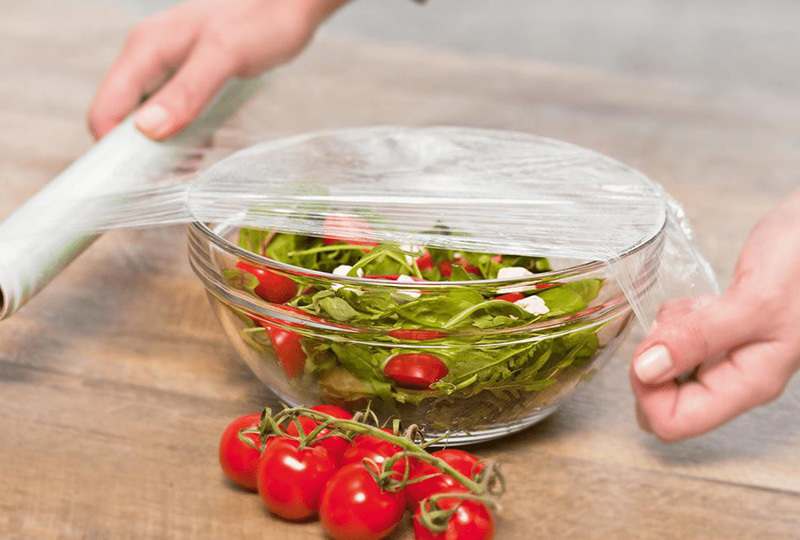
What are the characteristics of PVC fresh-keeping film for food preservation

Can PVC plastic wrap be heated in a microwave oven?
What is the difference between PVC cling film and PE cling film
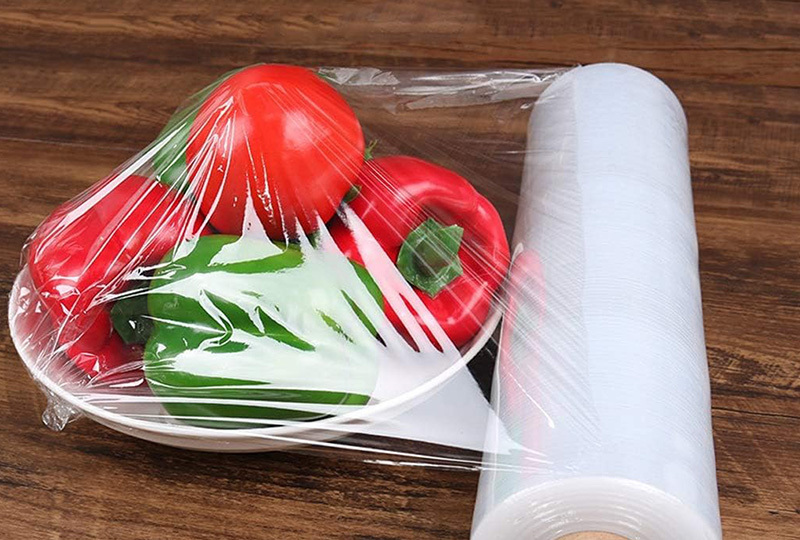
The choice of PVC cling film need to pay attention to what

Professional Cling Film Manufacturer
Address: No.3 Jiefang road (east) Cangzhou Economy Development Zone, Cangzhou City, Hebei province, China.
Please leave your email, we will contact you as soon as possible, thank you!