

Understanding Food-Grade PVC Film: Key Benefits and Applications
Release time:
Mar 20,2026
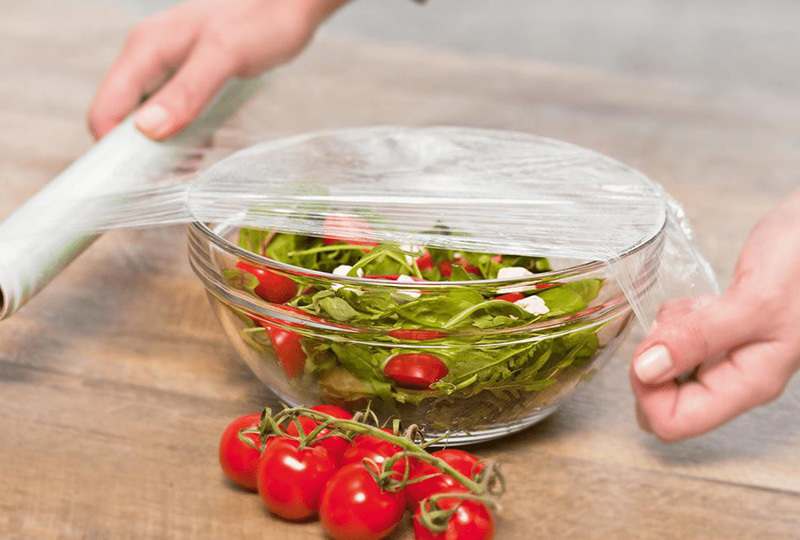
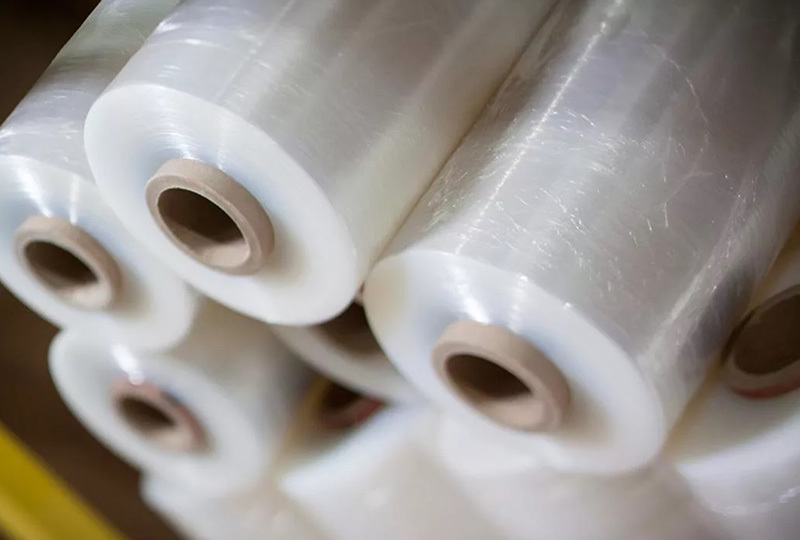
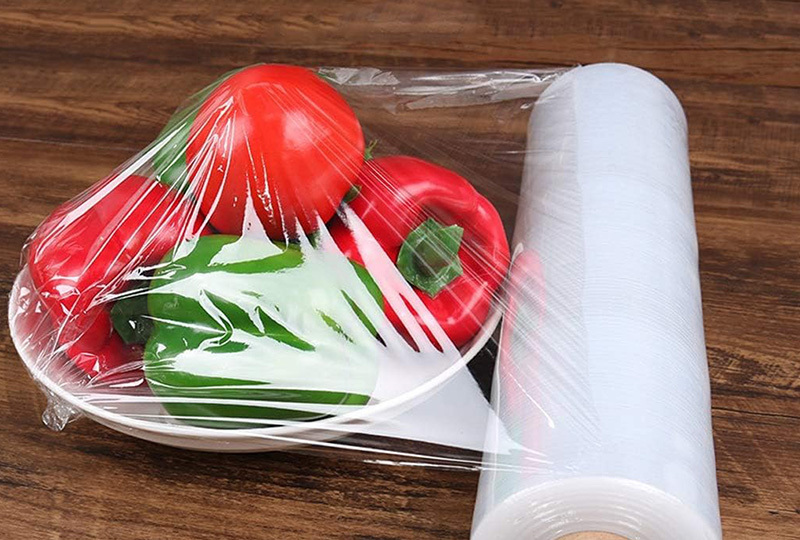
PVC film, known for its versatility and durability, is a popular choice in the packaging and printing industry, especially when it comes to food-grade applications. Food-grade PVC film is manufactured to meet strict health and safety standards, making it suitable for direct contact with food items. This type of film is widely used in various forms of food packaging, including wraps, bags, and cont
One of the primary advantages of food-grade PVC film is its ability to provide a protective barrier that helps extend the shelf life of food products. This film effectively shields food from moisture, oxygen, and light, which can lead to spoilage and nutrient loss. By minimizing these factors, food-grade PVC film helps maintain the freshness and quality of perishable items such as fruits, vegetables, and meats.
Moreover, food-grade PVC film is highly adaptable and can be easily molded into different shapes and sizes, catering to the diverse needs of the food industry. It can be used for vacuum packaging, which is particularly beneficial for items that need to be preserved for longer periods. This application not only enhances the appearance of the product but also improves convenience for consumers, as vacuum-sealed items are often easier to store and handle.
In addition to its physical properties, food-grade PVC film is compliant with various regulatory standards, ensuring that it is safe for use in food packaging. This compliance is crucial for manufacturers as it helps avoid potential health risks associated with food contamination. By choosing food-grade PVC film, companies can align their products with safety regulations, thereby instilling confidence in their customers.
When considering the application of food-grade PVC film, it is essential to take into account the specific requirements of the food being packaged. Factors such as temperature resistance, sealing capabilities, and the intended shelf life of the product should guide the selection process. This careful consideration will help optimize the packaging solution, ensuring that it meets both the functional and aesthetic needs of the product.
In conclusion, food-grade PVC film serves as a vital component in the packaging industry, especially for food-related applications. Its superior barrier properties, compliance with safety standards, and versatility make it an attractive option for manufacturers seeking efficient and reliable packaging solutions. As the demand for high-quality food packaging continues to grow, understanding the benefits and applications of food-grade PVC film will be crucial for professionals in the field.
Related News
What are the characteristics of PVC fresh-keeping film for food preservation

Can PVC plastic wrap be heated in a microwave oven?
What is the difference between PVC cling film and PE cling film
The choice of PVC cling film need to pay attention to what

Professional Cling Film Manufacturer
Address: No.3 Jiefang road (east) Cangzhou Economy Development Zone, Cangzhou City, Hebei province, China.
Please leave your email, we will contact you as soon as possible, thank you!