

Why PVC Cling Film is Essential for Safe Food Storage
Release time:
Mar 29,2026
Why PVC Cling Film is Essential for Safe Food Storage Understanding PVC Cling Film PVC cling film, also known as polyvinyl chloride wrap, is a versatile and widely used food packaging material. Its unique properties make it an ideal choice for preserving food freshness and safety. This clarity of the film allows for visibility of the wrapped items, which is advantageous in both commercial kitche
Why PVC Cling Film is Essential for Safe Food Storage
Understanding PVC Cling Film
PVC cling film, also known as polyvinyl chloride wrap, is a versatile and widely used food packaging material. Its unique properties make it an ideal choice for preserving food freshness and safety. This clarity of the film allows for visibility of the wrapped items, which is advantageous in both commercial kitchens and home settings.
The Composition and Characteristics of PVC Cling Film
PVC cling film is composed of polyvinyl chloride, a synthetic plastic polymer. This material is known for its strength, flexibility, and ability to cling tightly to various surfaces, including glass, metal, and plastic. The cling quality is crucial for creating airtight seals around food items, preventing moisture loss and contamination.
Key Properties of PVC Cling Film
- Clinginess: The inherent stickiness of PVC allows it to wrap securely around food items, forming a protective barrier.
- Transparency: The clear nature of PVC cling film lets users easily identify food items without unwrapping them.
- Durability: PVC cling film is resistant to tearing and puncturing, ensuring reliable food storage.
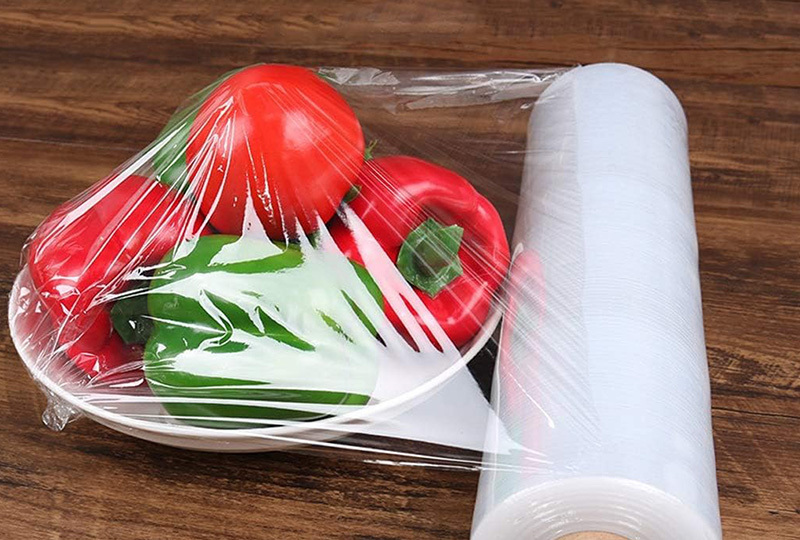
- Versatility: Suitable for wrapping a variety of food types, including fruits, vegetables, meats, and baked goods.
The Importance of Safe Food Storage
Safe food storage is crucial for preventing spoilage and foodborne illnesses. Properly stored food retains its nutritional value and flavor, while minimizing waste. PVC cling film plays a pivotal role in these processes, offering various benefits that enhance food safety.
How PVC Cling Film Protects Food
One of the primary functions of PVC cling film is to create a barrier that protects food from external contaminants. This includes bacteria, dust, and other pollutants that can compromise food quality. By wrapping food securely, PVC cling film limits the exposure to air and moisture, which can lead to spoilage.
Preventing Cross-Contamination
In both home kitchens and commercial food settings, cross-contamination is a significant concern. PVC cling film helps mitigate this risk by ensuring that raw foods, such as meats, are stored separately from cooked items. This separation is vital for maintaining food safety and preventing harmful bacteria from spreading.
Benefits of Using PVC Cling Film for Food Storage
Utilizing PVC cling film for food storage offers numerous advantages that contribute to safe, efficient, and effective food management.
1. Extending Shelf Life
One of the most significant benefits of PVC cling film is its ability to extend the shelf life of food products. By creating a tight seal, the film reduces the exchange of air and moisture, which are leading factors in food spoilage. For example, wrapping cut fruits and vegetables in cling film can help them stay fresh for longer periods.
2. Reducing Food Waste
Food waste is a major global issue, and using PVC cling film can play a role in reducing it. By keeping food items fresher for extended periods, consumers can minimize the amount of food that goes spoiled and is ultimately thrown away. This not only saves money but also promotes more sustainable food practices.
3. Ease of Use
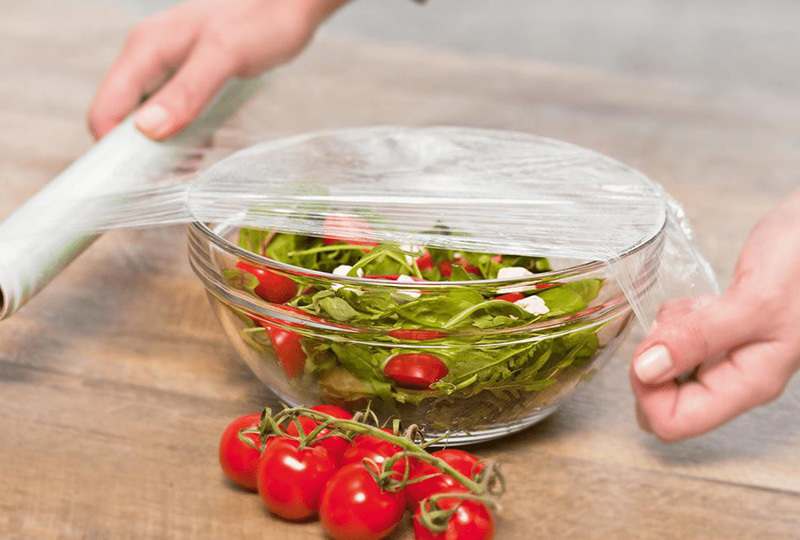
PVC cling film is incredibly user-friendly. It can be easily torn by hand and conforms to various shapes and sizes, making it convenient for everyday use. Whether you’re wrapping leftovers or prepping meals in advance, PVC cling film provides a practical solution for food storage.
4. Cost-Effectiveness
Due to its durability and effectiveness, PVC cling film is a cost-effective option for food storage. Its ability to reduce spoilage and waste translates to savings in both commercial and home settings. The affordability of PVC cling film makes it an accessible choice for anyone looking to improve their food storage practices.
5. Health Benefits
Using PVC cling film can contribute to better health outcomes by ensuring that food remains uncontaminated and fresh. Properly stored food retains its nutrients and flavors, making it more enjoyable to eat. This is particularly important for fruits and vegetables, which are essential components of a balanced diet.
Best Practices for Using PVC Cling Film
To maximize the benefits of PVC cling film, it's essential to use it correctly. Here are some best practices for effective food storage:
1. Wrap Food Tightly
Ensure that food is wrapped tightly to create an airtight seal. This prevents air from entering and moisture from escaping, which can lead to spoilage.
2. Use for Appropriate Food Types
PVC cling film is best suited for certain food types. Avoid using it with items that release strong odors or fats, as these can degrade the film over time.
3. Store in a Cool, Dry Place
Store wrapped food items in a cool, dry place to further extend their shelf life. A refrigerator is ideal for perishables like meats and dairy products, while pantry storage works well for dry goods.
4. Regularly Check for Damage
Inspect wrapped items regularly for any signs of damage, such as tears or punctures. If the cling film is compromised, re-wrap the food to maintain its protection.
5. Educate Yourself on Recycling
While PVC cling film is convenient, it is essential to dispose of it responsibly. Check local recycling guidelines to determine the best way to recycle or dispose of used cling film.
FAQs About PVC Cling Film
1. Is PVC cling film safe for food storage?
Yes, PVC cling film is designed specifically for food storage and is safe when used according to the manufacturer's guidelines.
2. Can PVC cling film be used in the microwave?
No, PVC cling film should not be used in the microwave as it can melt or release harmful chemicals when heated.
3. How do I know if cling film has gone bad?
Signs that cling film has degraded include brittleness, discoloration, and an inability to cling properly. If you notice these signs, it’s best to replace it.
4. Can I use PVC cling film for wrapping hot food?
It is advisable to let hot food cool down before wrapping it with PVC cling film, as high temperatures can cause the film to warp or melt.
5. What alternatives exist for PVC cling film?
Alternatives include beeswax wraps, silicone lids, and other biodegradable wrapping options that offer similar food preservation benefits.
Conclusion
PVC cling film is an essential tool for anyone looking to enhance food safety and freshness. Its unique properties make it a practical choice for extending shelf life, reducing waste, and protecting food from contaminants. By following best practices for usage, individuals can maximize the benefits of PVC cling film while contributing to better health and sustainability in food management. As the demand for effective food storage solutions continues to grow, PVC cling film remains a trusted option in both home and commercial kitchens.
Related News
What are the characteristics of PVC fresh-keeping film for food preservation

Can PVC plastic wrap be heated in a microwave oven?
What is the difference between PVC cling film and PE cling film
The choice of PVC cling film need to pay attention to what

Professional Cling Film Manufacturer
Address: No.3 Jiefang road (east) Cangzhou Economy Development Zone, Cangzhou City, Hebei province, China.
Please leave your email, we will contact you as soon as possible, thank you!