

Understanding Food Grade PVC Film: A Comprehensive Guide for Your Packaging Needs
Release time:
Apr 07,2026
Food grade PVC film has become a popular choice in the packaging industry due to its versatility, durability, and safety for storing food products. This comprehensive guide will delve into what food grade PVC film is, its characteristics, applications, and why it is an essential material for packaging solutions. Food grade PVC film is a type of polyvinyl chloride film specifically designed to meet
Food grade PVC film is a type of polyvinyl chloride film specifically designed to meet strict safety standards for food contact. Unlike standard PVC, food grade variants are manufactured using additives and processing techniques that ensure they do not leach harmful substances into food products. This makes them suitable for various applications, including wrapping, sealing, and storing food items.
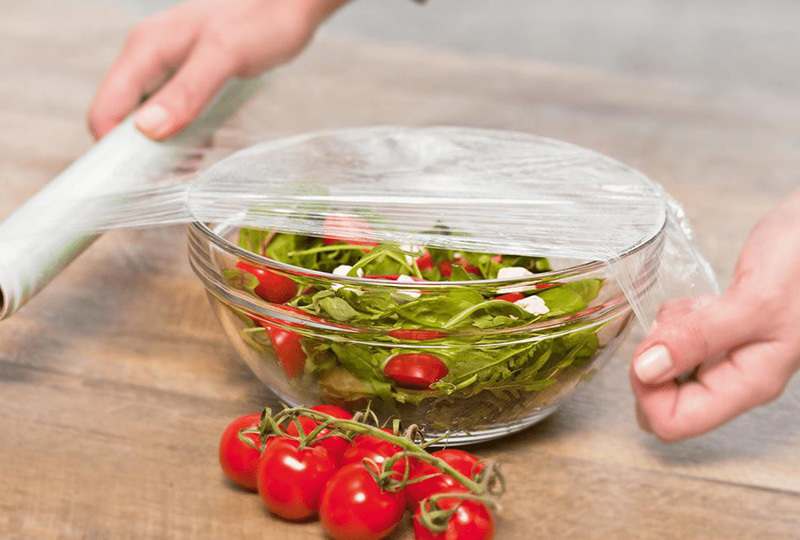
One of the primary advantages of food grade PVC film is its excellent barrier properties. It effectively protects food from moisture, oxygen, and contaminants, thereby extending its shelf life. This is particularly crucial in the food packaging sector, where maintaining freshness and quality is paramount. Additionally, food grade PVC film is transparent, allowing consumers to see the product without unwrapping it, which enhances visual appeal and aids in quality assessment.
Another significant benefit of food grade PVC film is its flexibility and ease of handling. It can be easily cut, sealed, and molded into different shapes, making it an ideal choice for various packaging formats, including bags, pouches, and wraps. This adaptability also extends to different food types, from fresh produce to ready-to-eat meals, ensuring that businesses can find suitable packaging solutions for diverse products.
In terms of sustainability, food grade PVC film is recyclable, which is an increasingly important consideration for manufacturers and consumers alike. Many companies are now adopting more environmentally friendly practices, and using recyclable materials can significantly reduce the environmental impact of packaging waste.
When selecting food grade PVC film for your packing needs, it’s essential to consider the specific requirements of the food products you intend to package. Factors such as temperature resistance, thickness, and sealability should all be taken into account to ensure optimal performance. Additionally, compliance with food safety regulations, such as those set forth by the FDA or equivalent authorities, is critical to guarantee that the film is safe for food contact.
In conclusion, food grade PVC film is a reliable and effective solution for food packaging. Its barrier properties, flexibility, and recyclability make it a valuable asset for businesses aiming to provide safe and attractive packaging for their food products. By understanding the characteristics and benefits of food grade PVC film, you can make informed decisions that enhance your packaging strategy and meet consumer demands in a competitive market.
Related News
What are the characteristics of PVC fresh-keeping film for food preservation

Can PVC plastic wrap be heated in a microwave oven?
What is the difference between PVC cling film and PE cling film
The choice of PVC cling film need to pay attention to what

Professional Cling Film Manufacturer
Address: No.3 Jiefang road (east) Cangzhou Economy Development Zone, Cangzhou City, Hebei province, China.
Please leave your email, we will contact you as soon as possible, thank you!