

Top 5 Advantages of Using Food Grade PVC Film for Food Packaging
Release time:
Apr 22,2026
Top 5 Advantages of Using Food Grade PVC Film for Food Packaging In the realm of food packaging, maintaining product quality and safety is of utmost importance. Among the various materials available, **food-grade PVC film** has emerged as a preferred choice for many businesses. This article delves into the top five advantages of using food-grade PVC film for food packaging, providing an in-depth a
Top 5 Advantages of Using Food Grade PVC Film for Food Packaging
In the realm of food packaging, maintaining product quality and safety is of utmost importance. Among the various materials available, **food-grade PVC film** has emerged as a preferred choice for many businesses. This article delves into the top five advantages of using food-grade PVC film for food packaging, providing an in-depth analysis of its benefits and applications.
Table of Contents
- 1. Superior Preservation of Freshness
- 2. Cost-Effectiveness and Economic Benefits
- 3. Versatility in Food Packaging Applications
- 4. Excellent Barrier Properties
- 5. Compliance with Food Safety Standards
- Frequently Asked Questions (FAQs)
- Conclusion
1. Superior Preservation of Freshness
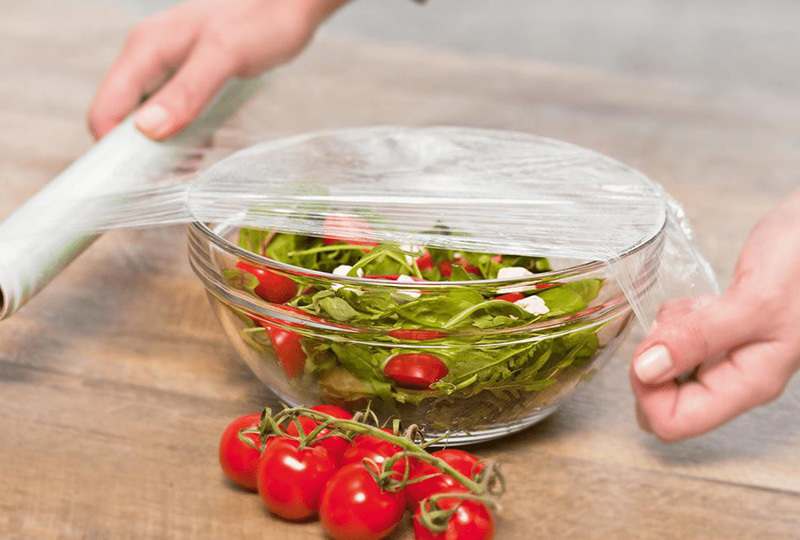
One of the foremost advantages of using **food-grade PVC film** is its exceptional ability to preserve the freshness of food products. PVC film creates a barrier that helps retain moisture and prevent air exposure, significantly prolonging the shelf life of perishable items. The film's flexibility allows for a snug fit around various food shapes, ensuring a tight seal that minimizes the risk of spoilage.
This preservation capability is particularly beneficial for businesses that deal with fresh produce, meats, and dairy products. By utilizing PVC film, companies can maintain the quality and taste of their food offerings, making it an essential component in food packaging strategies.
2. Cost-Effectiveness and Economic Benefits
When evaluating packaging materials, cost is always a critical factor. **Food-grade PVC film** is known for being economically viable, making it an attractive option for businesses aiming to optimize their packaging costs. The material is relatively inexpensive compared to alternatives such as polyethylene and polypropylene films, which can help companies save on packaging expenses.
Moreover, the durability of PVC film means that businesses can use less material while still achieving the desired protective properties. This reduction in material usage not only lowers costs but also contributes to sustainability efforts, as less waste is generated in the packaging process.
3. Versatility in Food Packaging Applications
Another compelling advantage of **food-grade PVC film** is its versatility. The film can be utilized across a wide range of food packaging applications, including but not limited to:
- **Meat and Poultry**: PVC film is ideal for packaging fresh meats and poultry products, as it maintains freshness while providing a visually appealing display.
- **Dairy Products**: Cheese, yogurt, and other dairy items benefit from the moisture-retaining properties of PVC.
- **Fresh Produce**: Fruits and vegetables can be packaged in PVC film to extend their shelf life and maintain quality.
- **Snack Foods**: Many snack items, such as chips and crackers, utilize PVC film for packaging due to its aesthetic appeal and protective qualities.
This adaptability makes PVC film a go-to choice for diverse food manufacturers looking for reliable and effective packaging solutions.
4. Excellent Barrier Properties
The barrier properties of **food-grade PVC film** are another essential advantage. This material effectively protects food products from external contaminants, moisture, and oxygen, all of which can compromise food safety and quality. The film's ability to provide an effective barrier helps reduce the risk of microbial growth, oxidation, and spoilage, ensuring that food products remain safe for consumption.
Additionally, PVC film can be produced with varying thicknesses and formulations, allowing businesses to choose the level of protection that aligns with their specific packaging needs. This customization capability enhances the overall efficacy of food packaging solutions.
5. Compliance with Food Safety Standards
In an industry where food safety is paramount, compliance with regulations is crucial. **Food-grade PVC film** is manufactured to meet stringent food safety standards, ensuring that it is safe for direct contact with food products. This compliance provides businesses with peace of mind, knowing they are using a packaging material that adheres to safety guidelines established by health authorities.
From production to distribution, using compliant materials helps mitigate risks associated with food contamination, a significant concern for food manufacturers and consumers alike. By choosing PVC film, businesses demonstrate their commitment to quality and safety, enhancing their reputation in the marketplace.
Frequently Asked Questions (FAQs)
What is food-grade PVC film?
Food-grade PVC film is a type of plastic film specifically manufactured for direct contact with food items. It meets safety standards and ensures that food remains uncontaminated and fresh.
How does PVC film help in preserving food?
PVC film preserves food by creating a barrier that prevents air and moisture from entering, which helps maintain freshness and extend shelf life.
Is PVC film safe for packaging all types of food?
While PVC film is safe for many food items, it is essential to check specific guidelines and regulations for particular products, especially fatty or high-temperature foods.
Can PVC film be recycled?
PVC film is not widely accepted in curbside recycling programs. However, some specialized recycling facilities may accept it, so it's best to check local regulations.
How does the cost of PVC film compare to other packaging materials?
PVC film is typically more cost-effective than many other packaging materials, such as polyethylene and polypropylene, making it an attractive option for food packaging.
Conclusion
In summary, food-grade PVC film offers numerous advantages for food packaging, including superior preservation of freshness, cost-effectiveness, versatility, excellent barrier properties, and compliance with food safety standards. Its ability to maintain the quality and safety of food products makes it an invaluable resource for businesses in the food industry. By opting for food-grade PVC film, companies can enhance their packaging strategies, ensuring that their products reach consumers in the best possible condition. As the demand for effective and reliable food packaging solutions continues to grow, PVC film stands out as a top choice for manufacturers aiming to deliver fresh, safe, and appealing food products.
Related News
What are the characteristics of PVC fresh-keeping film for food preservation

Can PVC plastic wrap be heated in a microwave oven?
What is the difference between PVC cling film and PE cling film
The choice of PVC cling film need to pay attention to what

Professional Cling Film Manufacturer
Address: No.3 Jiefang road (east) Cangzhou Economy Development Zone, Cangzhou City, Hebei province, China.
Please leave your email, we will contact you as soon as possible, thank you!