

The Essential Guide to Food Grade PVC Film: Safety and Versatility in Packaging
Release time:
Apr 25,2026
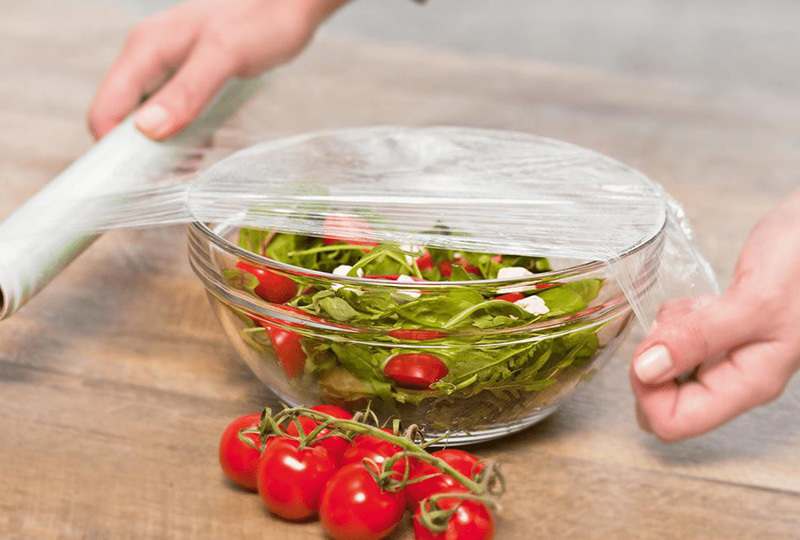
Food grade PVC film plays a vital role in the packaging sector, particularly when it comes to food products. This specialized film is designed to meet stringent safety standards, ensuring that it is suitable for direct contact with food items. One of the key attributes of food grade PVC film is its excellent barrier properties, which help to protect food from contaminants, moisture, and oxygen. Th
The manufacturing process of food grade PVC film involves using materials that have been thoroughly tested to comply with health and safety regulations. This ensures that any substances that could potentially migrate from the film to the food are kept at minimal levels, making it a safe choice for food packaging. Additionally, manufacturers often conduct rigorous testing to confirm that the film can withstand various environmental conditions, including temperature fluctuations and exposure to different food types.
Food grade PVC film is versatile and can be used for a wide range of applications. It is commonly used for packaging fresh produce, ready-to-eat meals, deli products, and bakery items. The film can be produced in various thicknesses and finishes, allowing for customization based on specific packaging requirements. For instance, a thicker film may be used for heavier items, while a thinner film is suitable for lighter snacks.
Another significant advantage of food grade PVC film is its compatibility with various printing technologies. This allows businesses to incorporate branding and product information directly onto the packaging, enhancing visibility and consumer engagement. Moreover, food grade PVC film can be easily processed, making it suitable for use in automatic packaging machinery, which optimizes production efficiency.
Sustainability is becoming increasingly important in the packaging industry, and food grade PVC film manufacturers are exploring eco-friendly alternatives. Innovations in biodegradable and recyclable materials are being integrated into production processes, helping to reduce the environmental impact of plastic packaging.
In conclusion, food grade PVC film is an essential component in the modern packaging landscape, particularly for food products. Its safety, excellent barrier properties, versatility in applications, and potential for customization make it a preferred choice for many businesses. Understanding the key features and benefits of food grade PVC film can help companies make informed decisions when selecting packaging solutions that meet both safety standards and market demand.
Related News
What are the characteristics of PVC fresh-keeping film for food preservation

Can PVC plastic wrap be heated in a microwave oven?
What is the difference between PVC cling film and PE cling film
The choice of PVC cling film need to pay attention to what

Professional Cling Film Manufacturer
Address: No.3 Jiefang road (east) Cangzhou Economy Development Zone, Cangzhou City, Hebei province, China.
Please leave your email, we will contact you as soon as possible, thank you!