

Maximizing Freshness: The Role of PVC Cling Film in Food Preservation
Release time:
May 04,2026
Maximizing Freshness: The Role of PVC Cling Film in Food Preservation Table of Contents Introduction to PVC Cling Film Understanding PVC Cling Film: What Makes It Effective? Benefits of Using PVC Cling Film for Food Preservation How PVC Cling Film Works: The Science Behind Freshness Applications of PVC Cling Film in Home and Commercial Kitchens Best Practices for Using PVC
Maximizing Freshness: The Role of PVC Cling Film in Food Preservation
Table of Contents
- Introduction to PVC Cling Film
- Understanding PVC Cling Film: What Makes It Effective?
- Benefits of Using PVC Cling Film for Food Preservation
- How PVC Cling Film Works: The Science Behind Freshness
- Applications of PVC Cling Film in Home and Commercial Kitchens
- Best Practices for Using PVC Cling Film Effectively
- Environmental Considerations: Is PVC Cling Film Sustainable?
- Alternatives to PVC Cling Film for Food Preservation
- Conclusion
- Frequently Asked Questions
Introduction to PVC Cling Film
Food preservation is more than just a necessity; it's an art form that helps maintain the quality, taste, and nutritional value of our meals. One of the most widely used tools in this process is **PVC cling film**. This versatile plastic film wraps around food items, creating a barrier that helps to keep them fresh for longer periods. In this article, we will explore the significant role of PVC cling film in food preservation, focusing on its benefits, applications, and best practices for use.
Understanding PVC Cling Film: What Makes It Effective?
PVC cling film, made from polyvinyl chloride, is designed to be both flexible and transparent, making it an effective choice for food storage. Its unique properties allow it to cling tightly to surfaces, creating a seal that minimizes exposure to air and moisture. This is crucial in preventing spoilage caused by bacteria and oxidation.
The film is engineered to be food-safe, ensuring that it does not leach harmful chemicals into the food it comes into contact with. This makes it an ideal option for various food items, including fruits, vegetables, meats, and leftovers. Understanding the composition and functionality of PVC cling film is essential for maximizing its benefits in food preservation.
Benefits of Using PVC Cling Film for Food Preservation
The advantages of using PVC cling film extend beyond mere convenience. Here are some key benefits:
1. Extended Shelf Life
By creating an airtight seal, PVC cling film significantly extends the shelf life of food products. Fruits and vegetables stay fresher, and leftovers can be preserved without losing flavor or texture.
2. Minimizes Food Waste
Using cling film effectively can lead to reduced food waste. By sealing perishable items properly, we can enjoy them for longer periods without the fear of spoilage.
3. Versatility
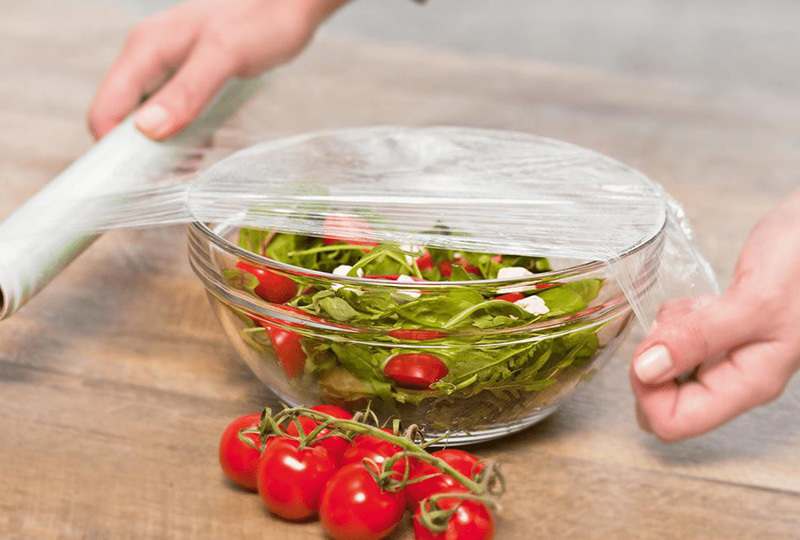
PVC cling film is incredibly versatile. It can be used to wrap individual items, cover dishes, or line containers. This adaptability makes it a staple in both home and commercial kitchens.
4. Cost-Effective
Compared to other food preservation methods, PVC cling film is relatively inexpensive. Its affordability makes it accessible for both households and businesses looking to manage food costs.
5. Easy to Use
The user-friendly nature of PVC cling film allows anyone to wrap food quickly and efficiently. Its clear design makes it easy to identify contents without unwrapping.
How PVC Cling Film Works: The Science Behind Freshness
The effectiveness of PVC cling film in preserving food freshness lies in its ability to create a barrier against air, moisture, and contaminants. When wrapped tightly around food, it reduces the exchange of gases that can lead to spoilage.
The Role of Oxygen in Food Spoilage
Oxygen is a significant contributor to food spoilage. It promotes the growth of aerobic bacteria and fungi, leading to decay. PVC cling film, by limiting oxygen exposure, helps inhibit these processes.
Moisture Control
Moisture is another factor that can negatively impact food quality. PVC cling film helps keep moisture in, preventing dehydration while simultaneously keeping contaminants out.
Applications of PVC Cling Film in Home and Commercial Kitchens
PVC cling film has a broad range of applications in both home and commercial settings:
1. Wrapping Fruits and Vegetables
Wrap cut fruits and vegetables to keep them fresh and crisp. The film prevents moisture loss and browning.
2. Storing Leftovers
Cover dishes containing leftovers to maintain moisture and flavor. This is especially useful for soups, stews, and casseroles.
3. Marinating Meats
Use PVC cling film to cover marinating meats, allowing flavors to penetrate while preventing contamination.
4. Protecting Baked Goods
Wrap cakes, pastries, and cookies to keep them moist and prevent them from going stale.
5. Food Transport
When transporting food, PVC cling film offers a reliable way to keep items secure and fresh.
Best Practices for Using PVC Cling Film Effectively
To maximize the benefits of PVC cling film in food preservation, consider these best practices:
1. Clean Surfaces
Ensure the surfaces of food items are clean and dry before wrapping. This helps the cling film adhere better and creates an effective seal.
2. Use the Right Amount
Avoid using excessive cling film; just enough to cover the item securely will suffice. This reduces waste and promotes better sealing.
3. Store at the Right Temperature
Keep wrapped food in appropriate temperature conditions. Refrigeration is crucial for perishable items.
4. Avoid Contact with Heat
Do not use PVC cling film in microwaves or ovens, as heat can cause it to warp and potentially release harmful substances.
5. Proper Disposal
After use, dispose of PVC cling film responsibly. While recycling options may be limited, many communities have guidelines for disposing of plastic waste.
Environmental Considerations: Is PVC Cling Film Sustainable?
As the world becomes increasingly aware of environmental issues, the sustainability of PVC cling film comes into question. While it offers significant benefits for food preservation, concerns about plastic waste and environmental impact cannot be ignored.
1. Recycling Options
PVC cling film is not widely recyclable. This means that it often ends up in landfills, contributing to global plastic waste. It's essential to check local recycling programs to understand disposal options.
2. Biodegradable Alternatives
For those looking for more sustainable options, biodegradable cling films made from plant-based materials are emerging in the market. These alternatives offer similar benefits without the long-term environmental impact.
3. Reducing Plastic Usage
Consider reducing overall plastic usage by implementing strategies such as meal planning and proper food storage techniques to minimize reliance on cling film.
Alternatives to PVC Cling Film for Food Preservation
In addition to PVC cling film, several alternatives can help preserve food freshness:
1. Beeswax Wraps
Beeswax wraps are made from cotton fabric coated in beeswax, offering a reusable and eco-friendly option for food storage.
2. Silicone Food Covers
These stretchy covers can fit over various container sizes and are reusable, reducing waste.
3. Glass Containers
Using glass containers with airtight lids can provide a sustainable solution for storing food without plastic.
4. Aluminum Foil
While not as effective as cling film, aluminum foil can be used to wrap food items and provide some level of protection.
Conclusion
PVC cling film plays a vital role in maximizing food freshness and minimizing waste. Its unique properties allow it to create effective barriers against air and moisture, making it an essential tool in both home and commercial kitchens. By understanding how to use it effectively and considering its environmental implications, we can enhance our food preservation practices while fostering sustainability.
Frequently Asked Questions
1. Can PVC cling film be used in the microwave?
No, PVC cling film should not be used in the microwave or oven, as it can warp and potentially release harmful substances.
2. Is PVC cling film safe for wrapping food?
Yes, PVC cling film is food-safe and is designed to prevent leaching of harmful chemicals into the food.
3. How long can food be stored using cling film?
The duration depends on the type of food. Generally, most wrapped items can last from a few days to several weeks in the refrigerator.
4. Can cling film be recycled?
PVC cling film is typically not recyclable, so it is essential to dispose of it according to local guidelines.
5. What are some eco-friendly alternatives to PVC cling film?
Eco-friendly alternatives include beeswax wraps, silicone food covers, and reusable glass containers, all of which help reduce plastic waste.
Related News
What are the characteristics of PVC fresh-keeping film for food preservation

Can PVC plastic wrap be heated in a microwave oven?
What is the difference between PVC cling film and PE cling film
The choice of PVC cling film need to pay attention to what

Professional Cling Film Manufacturer
Address: No.3 Jiefang road (east) Cangzhou Economy Development Zone, Cangzhou City, Hebei province, China.
Please leave your email, we will contact you as soon as possible, thank you!