

The Essential Guide to Food Grade PVC Film: Advantages and Applications
Release time:
May 13,2026
Food grade PVC film has become an essential material in the packaging industry, particularly for food products. This versatile plastic film is known for its clarity, flexibility, and excellent barrier properties, making it ideal for preserving the freshness and quality of food items. In this guide, we delve into the various advantages and applications of food grade PVC film, as well as important c
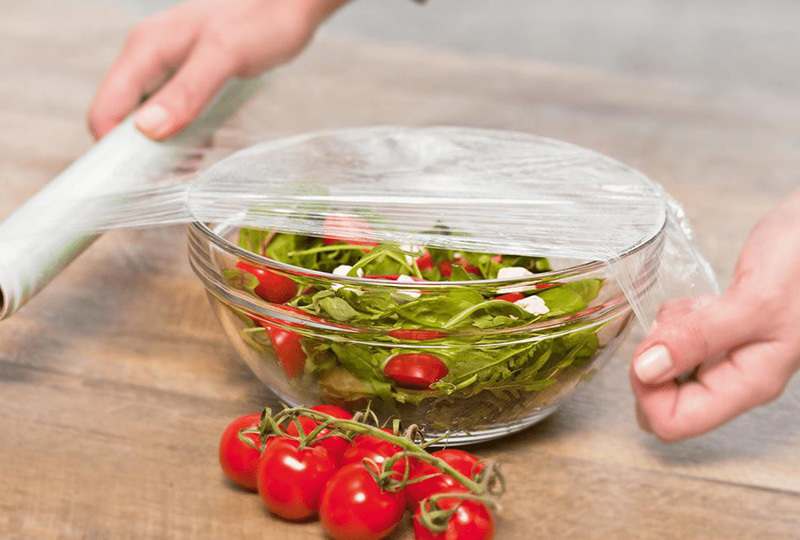
One of the primary benefits of food grade PVC film is its superior clarity. This transparency not only enhances the visual appeal of packaged products but also allows consumers to see what they are purchasing. This is especially important for fresh produce, meats, and deli items, where the visual quality can significantly influence buying decisions.
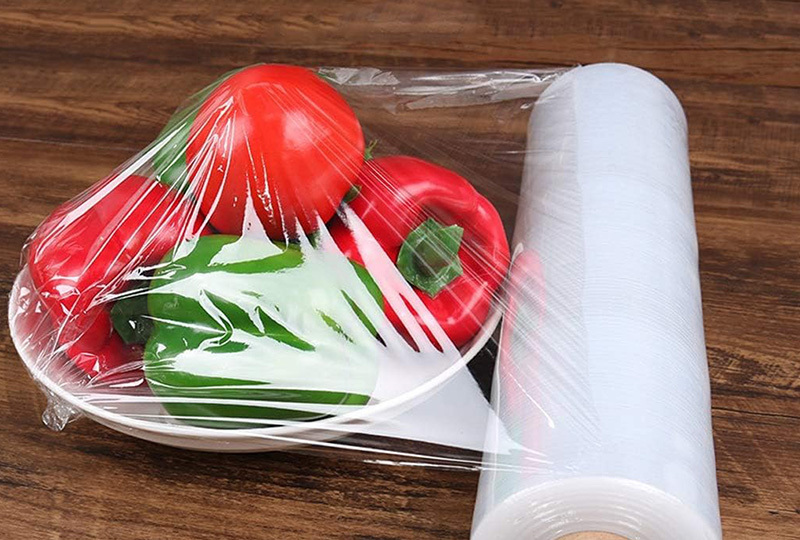
Flexibility is another notable feature of food grade PVC film. Its ability to conform to various shapes and sizes makes it a popular choice for packaging irregularly shaped food items. Additionally, this flexibility aids in the sealing process, ensuring that packages are tightly wrapped to prevent air and moisture from entering, which can cause spoilage.
The barrier properties of food grade PVC film are critical in maintaining food safety and extending shelf life. This material effectively protects products from external contaminants, including dust, bacteria, and other potential hazards. Additionally, its resistance to moisture and oxygen helps in reducing oxidation and dehydration, ensuring that food maintains its freshness for a longer period.
Moreover, food grade PVC film is compatible with various sealing methods, including heat sealing and adhesive sealing. This versatility allows manufacturers to choose the most suitable method for their packaging needs, ensuring efficiency in production processes.
However, it is essential to consider safety regulations when using PVC film for food packaging. The material must comply with specific standards that ensure it is safe for direct contact with food. It is crucial to select PVC films that are certified for food use, as these films are manufactured under strict guidelines to minimize any risk of harmful substances leaching into food products.
Another consideration is the environmental impact of PVC. While it is a widely used packaging material, there is an increasing demand for sustainable alternatives. Businesses should evaluate their packaging strategies and consider eco-friendly options, such as biodegradable films, to cater to environmentally conscious consumers.
In conclusion, food grade PVC film is a valuable resource in the packaging industry, offering clarity, flexibility, and excellent barrier properties that contribute to food safety and quality. As companies continue to innovate in packaging solutions, understanding the benefits and considerations of using food grade PVC film will empower them to make informed choices that meet both consumer expectations and regulatory standards.
Related News
What are the characteristics of PVC fresh-keeping film for food preservation

Can PVC plastic wrap be heated in a microwave oven?
What is the difference between PVC cling film and PE cling film
The choice of PVC cling film need to pay attention to what

Professional Cling Film Manufacturer
Address: No.3 Jiefang road (east) Cangzhou Economy Development Zone, Cangzhou City, Hebei province, China.
Please leave your email, we will contact you as soon as possible, thank you!