

Maximizing Shelf Life with Vegetable Banding Film Techniques: A Comprehensive Guide
Release time:
May 16,2026
Maximizing Shelf Life with Vegetable Banding Film Techniques Table of Contents Introduction to Vegetable Banding Film Understanding Shelf Life in Vegetables What is Vegetable Banding Film? Benefits of Using Vegetable Banding Film Techniques for Maximizing Shelf Life with Banding Film Choosing the Right Material for Vegetable Banding Film Application Techniques for Effe
Maximizing Shelf Life with Vegetable Banding Film Techniques
Table of Contents
- Introduction to Vegetable Banding Film
- Understanding Shelf Life in Vegetables
- What is Vegetable Banding Film?
- Benefits of Using Vegetable Banding Film
- Techniques for Maximizing Shelf Life with Banding Film
- Choosing the Right Material for Vegetable Banding Film
- Application Techniques for Effective Banding
- Case Studies and Success Stories
- Frequently Asked Questions
- Conclusion
Introduction to Vegetable Banding Film
In the competitive landscape of produce distribution, maintaining the **freshness** and **quality** of vegetables is paramount. One powerful solution that has garnered attention in recent years is the use of **vegetable banding film**. This innovative packaging method not only enhances the visual appeal of produce but also plays a crucial role in extending shelf life, ultimately reducing food waste and improving profitability.
Understanding Shelf Life in Vegetables
Shelf life refers to the length of time that products remain usable, consumable, or saleable. For vegetables, this is influenced by various factors including the type of vegetable, storage conditions, and packaging. Understanding these aspects is essential for optimizing shelf life.
Factors Affecting Vegetable Shelf Life
1. **Temperature:** Most vegetables have specific temperature ranges for optimal storage.
2. **Humidity:** Excess moisture can lead to mold growth, while low humidity can cause drying.
3. **Ethylene Production:** Some vegetables produce ethylene gas, which can hasten ripening and spoilage in nearby produce.
4. **Packaging:** How vegetables are packaged can significantly impact their longevity.
By employing effective packaging techniques, such as vegetable banding film, we can significantly enhance the shelf life of vegetables.
What is Vegetable Banding Film?
Vegetable banding film is a specialized packaging material designed to securely hold and protect vegetables while maintaining their **freshness**. It is typically made from flexible plastic materials that can be wrapped around produce to create a tight seal, minimizing exposure to air and contaminants.
Types of Vegetable Banding Film
1. **Stretch Film:** Offers elasticity and cling, ideal for securing various shapes and sizes of vegetables.
2. **Shrink Film:** Contracts when heated, providing a snug fit that protects against moisture and air.
3. **Barrier Film:** Contains additives that help prevent moisture loss and gas exchange, prolonging shelf life.
Each type has distinct advantages, making it essential to choose the right one for specific produce types.
Benefits of Using Vegetable Banding Film
Utilizing vegetable banding film presents numerous advantages for producers, distributors, and retailers.
1. Extended Shelf Life
The primary benefit of vegetable banding film is its ability to extend the shelf life of vegetables. By minimizing exposure to air and moisture, banding film helps retain the freshness and nutritional value of produce.
2. Reduction of Food Waste
With an extended shelf life, the amount of produce that ends up in landfills decreases significantly. This not only benefits the environment but also increases profitability.
3. Enhanced Visual Appeal
Well-packaged vegetables are more visually appealing to customers. Attractive packaging can influence buying decisions and lead to increased sales.
4. Cost-Effectiveness
Investing in effective packaging methods may reduce long-term costs associated with spoilage and waste, providing a good return on investment.
Techniques for Maximizing Shelf Life with Banding Film
Implementing the right techniques when using vegetable banding film is crucial to realizing its full potential.
1. Proper Temperature Control
Ensure that vegetables are stored at optimal temperatures before applying banding film. This helps maintain freshness and extends shelf life.
2. **Pre-packaging Treatments**
Treating vegetables with anti-fungal or anti-bacterial solutions can enhance the effectiveness of the banding film.
3. Use of Modified Atmosphere Packaging (MAP)
Combining banding film with MAP can further reduce oxygen levels around the produce, slowing down the ripening process.
4. Regular Monitoring
Regularly inspect packaged vegetables for signs of spoilage or damage. Early detection can prevent larger losses.
Choosing the Right Material for Vegetable Banding Film
Selecting the appropriate material for vegetable banding film is crucial for achieving the desired shelf life and quality.
1. Consider the Vegetable Type
Different vegetables have varying sensitivities to moisture and gases. Choose a film that best suits the specific needs of the produce.
2. Environmental Impact
Select biodegradable or recyclable banding materials whenever possible to minimize environmental impact.
3. Compliance with Food Safety Standards
Ensure that the materials used for banding film comply with relevant food safety regulations to guarantee consumer safety.
Application Techniques for Effective Banding
Applying vegetable banding film correctly is essential for ensuring its effectiveness.
1. Ensure Cleanliness
Before packaging, make sure that vegetables are clean and dry to prevent the growth of bacteria and mold.
2. Choose Correct Tension
Applying the film with the right amount of tension is key. Too tight can bruise the produce, while too loose may not provide adequate protection.
3. Seal Properly
Ensure that the ends of the banding film are sealed securely to prevent air and moisture from entering.
Case Studies and Success Stories
Several companies have successfully implemented vegetable banding film techniques, showcasing the effectiveness of this packaging method.
Example 1: Fresh Farms
Fresh Farms utilized vegetable banding film to package their produce, resulting in a 30% increase in shelf life. This led to significant reductions in waste and improved sales.
Example 2: Green Grocers
By integrating banding film into their packaging process, Green Grocers managed to enhance the freshness of their vegetables, leading to increased customer satisfaction and repeat business.
Frequently Asked Questions
1. How does vegetable banding film extend shelf life?
Vegetable banding film minimizes exposure to air and moisture, preventing spoilage and maintaining freshness.
2. What types of vegetables benefit most from banding film?
Most leafy greens, tomatoes, and delicate vegetables benefit significantly from banding film due to their higher susceptibility to spoilage.
3. Can banding film be recycled?
It depends on the material. Many films are recyclable, but it's essential to check the specific type used.
4. What are the best storage conditions for packaged vegetables?
Ideal storage conditions vary by vegetable but generally include cool temperatures and controlled humidity levels.
5. How often should I check the packaged vegetables?
Regular checks are advisable, ideally every few days, to monitor for signs of spoilage or damage.
Conclusion
In a market driven by consumer expectations for quality and sustainability, utilizing vegetable banding film techniques stands out as a viable solution for maximizing shelf life. By understanding the importance of proper techniques, material selection, and application methods, businesses can significantly improve the freshness and longevity of their produce. This not only enhances customer satisfaction but also contributes to reducing food waste, aligning with environmental goals. Embracing these innovative packaging solutions will undoubtedly keep your produce at the forefront of quality and reliability in the market.
Related News
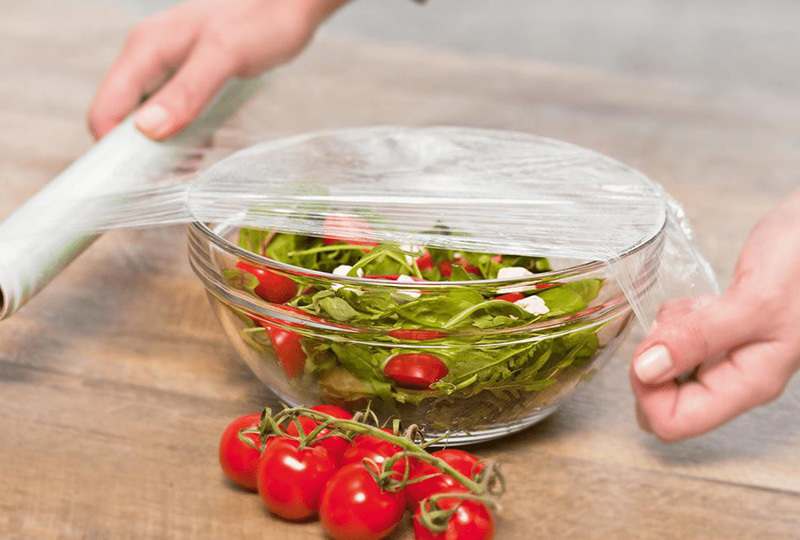
What are the characteristics of PVC fresh-keeping film for food preservation

Can PVC plastic wrap be heated in a microwave oven?
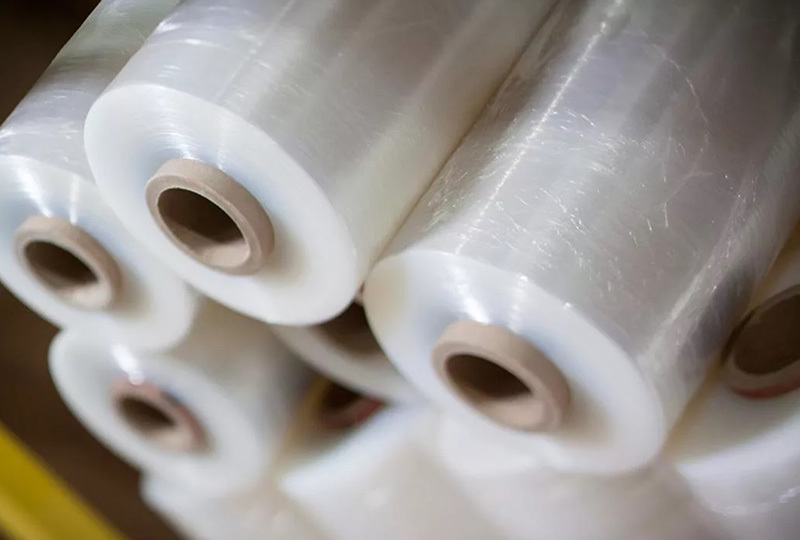
What is the difference between PVC cling film and PE cling film
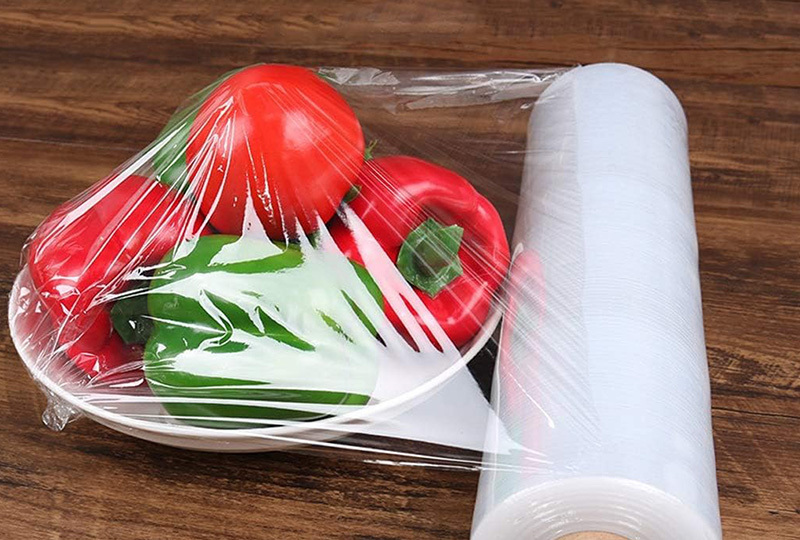
The choice of PVC cling film need to pay attention to what

Professional Cling Film Manufacturer
Address: No.3 Jiefang road (east) Cangzhou Economy Development Zone, Cangzhou City, Hebei province, China.
Please leave your email, we will contact you as soon as possible, thank you!