

PVC Cling Film vs. Other Packaging Materials: A Comprehensive Comparison
Release time:
May 22,2026
PVC Cling Film vs. Other Packaging Materials: A Comprehensive Comparison Table of Contents 1. Introduction to Packaging Materials 2. What is PVC Cling Film? 3. Properties of PVC Cling Film 4. Advantages of PVC Cling Film 5. Disadvantages of PVC Cling Film 6. Comparison with Other Packaging Materials 7. Popular Alternatives to PVC Cling Film 8. Environmental Impact
PVC Cling Film vs. Other Packaging Materials: A Comprehensive Comparison
Table of Contents
- 1. Introduction to Packaging Materials
- 2. What is PVC Cling Film?
- 3. Properties of PVC Cling Film
- 4. Advantages of PVC Cling Film
- 5. Disadvantages of PVC Cling Film
- 6. Comparison with Other Packaging Materials
- 7. Popular Alternatives to PVC Cling Film
- 8. Environmental Impact of PVC Cling Film
- 9. Conclusion
- 10. Frequently Asked Questions (FAQs)
1. Introduction to Packaging Materials
In the realm of packaging, the choice of material plays a crucial role in both functionality and sustainability. As businesses strive to find the perfect balance between usability and eco-friendliness, **PVC cling film** stands out as a prevalent option. However, with various alternatives available, understanding the pros and cons of **PVC cling film** compared to other packaging materials is essential for making informed decisions.
2. What is PVC Cling Film?
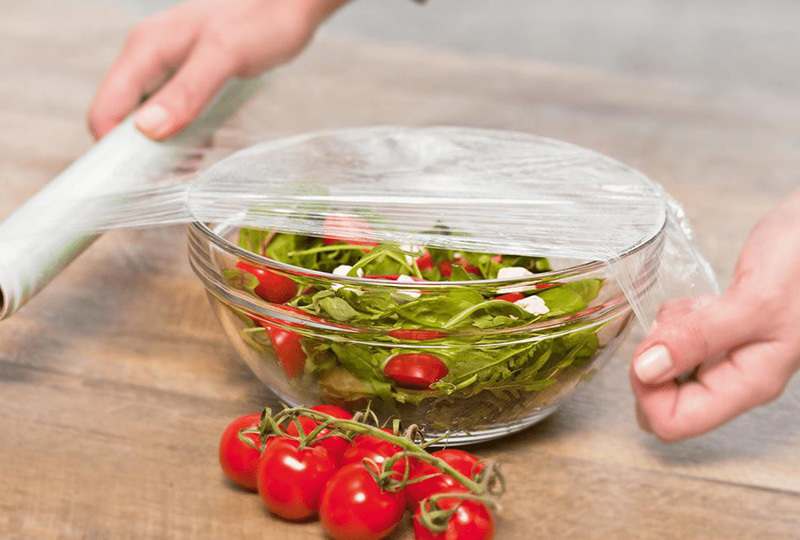
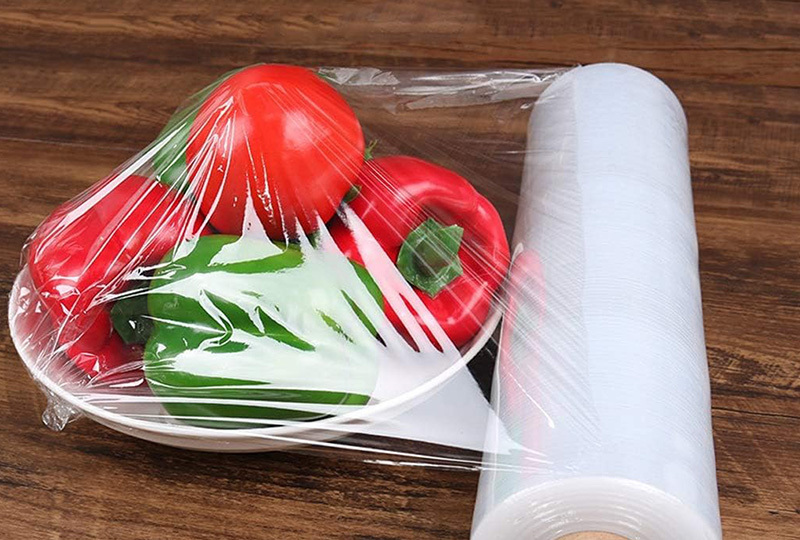
**PVC cling film**, also known as polyvinyl chloride cling film, is a transparent plastic wrap commonly used in kitchens and food packaging. Its unique ability to cling or adhere to surfaces without the need for adhesives makes it particularly popular for wrapping food items. The film is flexible, durable, and has excellent moisture retention properties, which help keep food fresh for longer.
3. Properties of PVC Cling Film
Understanding the properties of **PVC cling film** is vital to appreciate its uses fully. Here are some notable characteristics:
3.1. Transparency
PVC cling film is highly transparent, allowing for easy visibility of the wrapped items. This is particularly important in retail environments where consumers wish to see the product before purchase.
3.2. Flexibility and Stretchability
This film is highly flexible and can stretch to cover various shapes and sizes of food items. Its high elasticity ensures a snug fit, providing effective coverage.
3.3. Moisture Barrier
PVC cling film creates an excellent moisture barrier, which helps in preventing food from drying out or absorbing unwanted odors.
3.4. Resistance to Chemicals
The chemical resistance of PVC cling film makes it suitable for packaging various food items, including those with high acidity or oil content.
4. Advantages of PVC Cling Film
**PVC cling film** offers numerous advantages that contribute to its widespread use in various packaging applications:
4.1. Food Preservation
One of the primary benefits is its ability to keep food fresh by creating a sealed environment that inhibits bacterial growth. It preserves flavor and texture, making it ideal for restaurants and households.
4.2. Cost-Effectiveness
PVC cling film is typically more affordable than many other packaging materials, making it an economical choice for businesses looking to minimize costs without sacrificing quality.
4.3. Ease of Use
The lightweight nature and easy application of PVC cling film make it user-friendly. It can be cut to size and used efficiently in various settings, from domestic kitchens to industrial food packaging.
4.4. Versatile Applications
Beyond food packaging, PVC cling film finds applications in crafting, medical supplies, and even industrial uses, showcasing its versatility.
5. Disadvantages of PVC Cling Film
Despite its many advantages, **PVC cling film** is not without its drawbacks. Here are some notable concerns:
5.1. Environmental Concerns
PVC cling film is not biodegradable, contributing to the growing plastic waste crisis. The environmental impact of its production and disposal raises concerns among eco-conscious consumers.
5.2. Limited Heat Resistance
While PVC cling film works well for cold food storage, it is not suitable for microwave use or direct heat exposure. This limitation can restrict its functionality in certain culinary applications.
5.3. Chemical Leaching
There are concerns about the potential for chemical leaching from PVC cling film into food, especially when heated. This has led many consumers to seek safer alternatives for their food packaging needs.
6. Comparison with Other Packaging Materials
When evaluating **PVC cling film**, it is vital to compare it with other popular packaging materials. Let's explore how it measures up against some alternatives.
6.1. Plastic Wrap vs. PVC Cling Film
While both **plastic wrap** and **PVC cling film** serve similar purposes, plastic wraps made from materials like polyethylene are often regarded as safer alternatives due to their lower risk of chemical leaching.
6.2. Aluminum Foil vs. PVC Cling Film
Aluminum foil is excellent for heat resistance and can be reused, but it does not provide the same level of transparency and moisture retention as PVC cling film.
6.3. Wax Paper vs. PVC Cling Film
Wax paper is biodegradable and compostable, making it more environmentally friendly. However, it does not cling as effectively as PVC cling film, limiting its use for certain applications.
7. Popular Alternatives to PVC Cling Film
As consumers become more aware of environmental issues, several alternatives to **PVC cling film** have gained popularity:
7.1. Beeswax Wraps
Beeswax wraps are reusable, biodegradable, and made from organic materials, making them an eco-friendly choice for food storage.
7.2. Silicone Food Covers
These reusable covers come in various sizes and can stretch to fit over bowls or plates, offering a sustainable alternative to single-use film.
7.3. Compostable Films
Some companies are developing compostable films made from plant-based materials, which offer similar benefits to PVC cling film without the environmental impact.
8. Environmental Impact of PVC Cling Film
The production and disposal of **PVC cling film** have significant environmental implications. Understanding these impacts is crucial for consumers and businesses alike.
8.1. Production Process
The manufacturing of PVC cling film involves petrochemical processes that contribute to greenhouse gas emissions. Additionally, the sourcing of raw materials can lead to environmental degradation.
8.2. Disposal and End-of-Life Considerations
PVC cling film is not recyclable in most areas, leading to increased landfill waste. The long decomposition time further exacerbates the plastic pollution crisis.
8.3. Sustainable Packaging Initiatives
In response to consumer demand for sustainable options, many companies are innovating to create biodegradable and recyclable packaging materials. Engaging in these initiatives can help mitigate the negative impact of traditional cling films.
9. Conclusion
In the packaging world, **PVC cling film** presents both advantages and challenges. Its effectiveness in food preservation and cost-efficiency make it a popular choice for many, but the environmental ramifications cannot be overlooked. As businesses and consumers become increasingly aware of sustainable practices, the demand for eco-friendly alternatives continues to grow. Ultimately, making an informed decision about packaging materials requires a careful consideration of both functionality and environmental impact.
10. Frequently Asked Questions (FAQs)
10.1. Is PVC cling film safe for food packaging?
Yes, PVC cling film is generally considered safe for food packaging; however, concerns about chemical leaching exist, particularly when heated.
10.2. Can PVC cling film be used in the microwave?
No, PVC cling film should not be used in the microwave as it can melt or release harmful chemicals when exposed to heat.
10.3. How can I dispose of PVC cling film responsibly?
PVC cling film is usually not recyclable, so it should be disposed of in the general waste bin. Consider switching to biodegradable options for a more responsible choice.
10.4. Are there eco-friendly alternatives to PVC cling film?
Yes, alternatives such as beeswax wraps, silicone food covers, and compostable films are gaining popularity for their environmental benefits.
10.5. How does PVC cling film compare to aluminum foil?
While both materials serve the purpose of food wrapping, aluminum foil is better for heat resistance, while PVC cling film excels in moisture retention and visibility.
This comprehensive comparison aims to provide a detailed overview of PVC cling film and its standing among other packaging materials. By considering all aspects, businesses and individuals can make informed choices that align with both their practical needs and environmental values.
Related News
What are the characteristics of PVC fresh-keeping film for food preservation

Can PVC plastic wrap be heated in a microwave oven?
What is the difference between PVC cling film and PE cling film
The choice of PVC cling film need to pay attention to what

Professional Cling Film Manufacturer
Address: No.3 Jiefang road (east) Cangzhou Economy Development Zone, Cangzhou City, Hebei province, China.
Please leave your email, we will contact you as soon as possible, thank you!