

The Future of Food Preservation: Understanding Degradable Cling Film
Release time:
Jun 06,2026
As industries seek to minimize their environmental footprint, degradable cling film has emerged as a viable alternative to traditional plastic films. This innovative material is designed to break down more efficiently in the environment, addressing concerns over plastic pollution while still providing the practical benefits that cling film is known for—such as food preservation and protection. Deg
Degradable cling film is typically made from polymers that have been modified to enhance biodegradability. These films can break down under specific conditions, such as exposure to sunlight, moisture, or microbial action. This means that when disposed of properly, they will not linger in landfills for centuries like conventional plastic films. As a result, businesses that adopt degradable cling film not only align with eco-friendly practices but also appeal to a growing consumer base that prioritizes sustainability.
In the food packaging sector, the applications of degradable cling film are vast. It is commonly used to wrap fresh produce, meats, and deli items, providing an airtight seal that helps extend shelf life. Additionally, the transparency of degradable cling film allows for easy visibility of the products, making it an attractive option for food retailers. By utilizing this material, businesses can showcase their commitment to environmental responsibility while maintaining high standards of food safety and quality.
One key advantage of degradable cling film is its versatility. It can be utilized in various settings, from restaurants to grocery stores, and is compatible with both manual and automated packaging systems. This flexibility makes it an excellent choice for companies looking to transition to more sustainable packaging solutions without sacrificing efficiency or performance.
However, it is essential for businesses to understand that not all degradable cling films are created equal. The rate and conditions under which these films degrade can vary significantly based on their composition and the environment. Therefore, selecting a reputable supplier who provides detailed information about the product's degradation process and environmental impact is crucial.
In conclusion, degradable cling film represents a promising step towards sustainable packaging solutions in the food industry. By adopting this innovative material, businesses can help combat plastic pollution while still delivering high-quality products to consumers. As the demand for eco-friendly options continues to grow, understanding the benefits and applications of degradable cling film can position companies at the forefront of this essential shift in packaging practices. Embracing such innovations not only supports environmental health but also aligns with contemporary consumer values, ultimately benefiting both businesses and the planet.
Related News
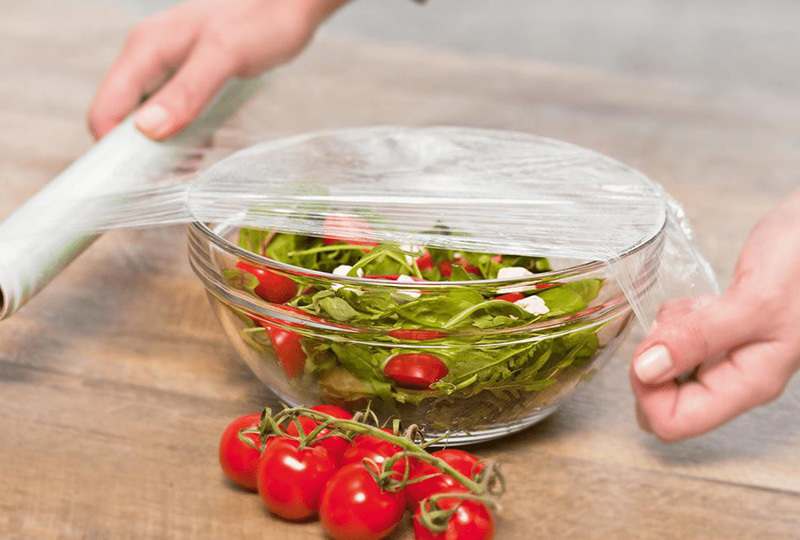
What are the characteristics of PVC fresh-keeping film for food preservation

Can PVC plastic wrap be heated in a microwave oven?
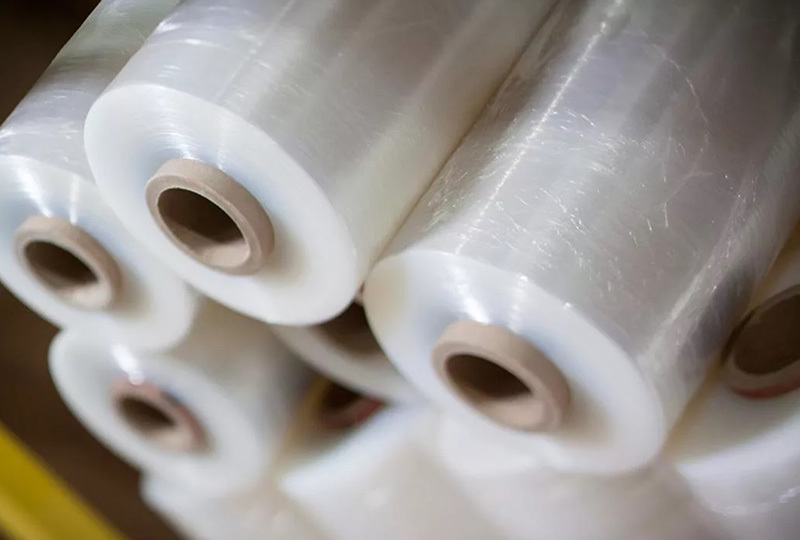
What is the difference between PVC cling film and PE cling film
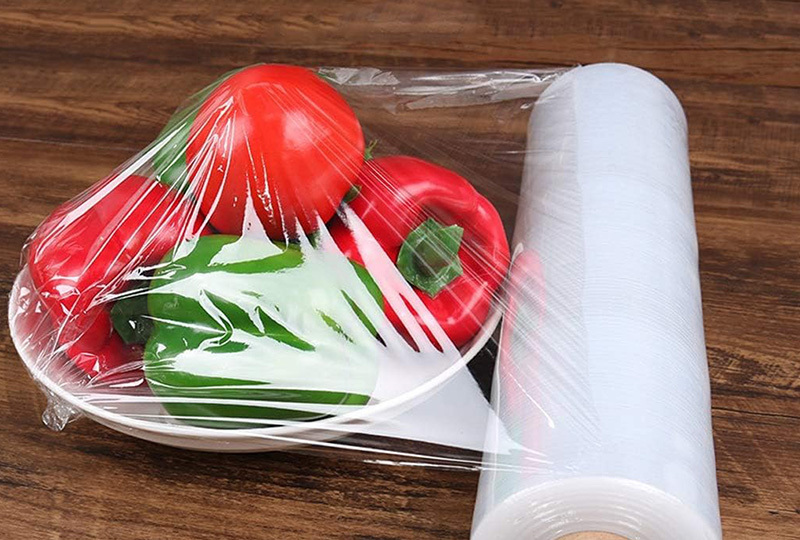
The choice of PVC cling film need to pay attention to what

Professional Cling Film Manufacturer
Address: No.3 Jiefang road (east) Cangzhou Economy Development Zone, Cangzhou City, Hebei province, China.
Please leave your email, we will contact you as soon as possible, thank you!