

The Environmental Impact of PVC Cling Film: Myths and Facts Unveiled
Release time:
Jun 09,2026
The Environmental Impact of PVC Cling Film: Myths and Facts Unveiled Introduction: Understanding PVC Cling Film In today's world, plastic packaging is ubiquitous, from our groceries to our takeout meals. Among these materials, **PVC cling film** has gained popularity for its versatility and convenience. However, its environmental impact has raised concerns. In this article, we delve into the **myt
The Environmental Impact of PVC Cling Film: Myths and Facts Unveiled
Introduction: Understanding PVC Cling Film
In today's world, plastic packaging is ubiquitous, from our groceries to our takeout meals. Among these materials, **PVC cling film** has gained popularity for its versatility and convenience. However, its environmental impact has raised concerns. In this article, we delve into the **myths and facts surrounding PVC cling film** to provide clarity and educate consumers about its implications on the environment.
Table of Contents
- What is PVC Cling Film?
- How is PVC Cling Film Made?
- The Myths About PVC Cling Film
- The Facts About PVC Cling Film
- Environmental Impact of PVC Cling Film
- Sustainable Alternatives to PVC Cling Film
- How to Dispose of PVC Cling Film Properly
- Conclusion
- FAQs
What is PVC Cling Film?
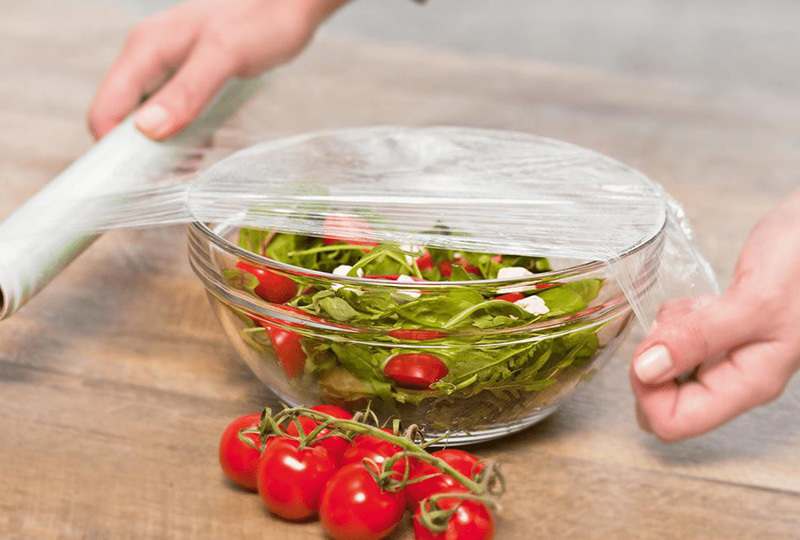
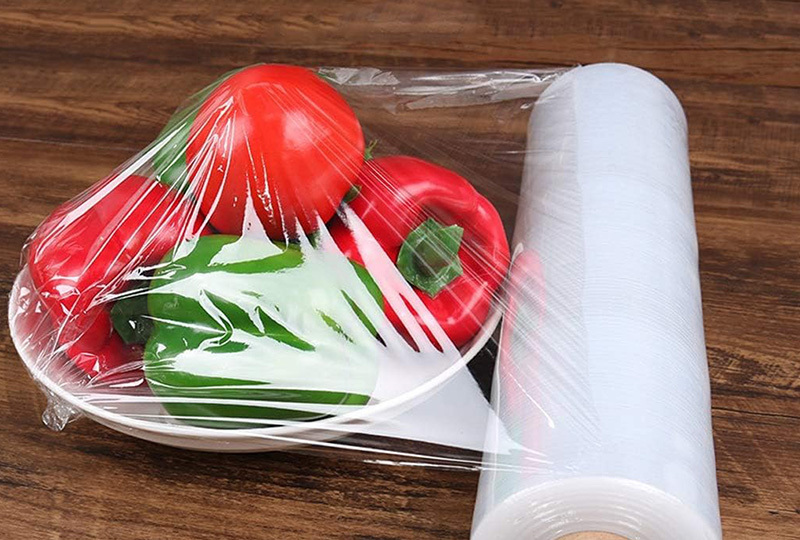
PVC cling film is a type of plastic film made from **polyvinyl chloride (PVC)**. It is designed to cling to food and other surfaces, providing a seal that helps keep items fresh. Commonly used in kitchens for wrapping food, it is known for its stretchability and transparency. While it serves practical purposes, understanding its composition is crucial to grasping its environmental impact.
How is PVC Cling Film Made?
The manufacturing process of PVC cling film involves several steps:
1. **Polymerization**: Raw materials are combined to create polyvinyl chloride.
2. **Extrusion**: The PVC is heated and forced through a die to form a thin film.
3. **Cooling and Stretching**: The film is cooled and stretched to enhance its cling properties.
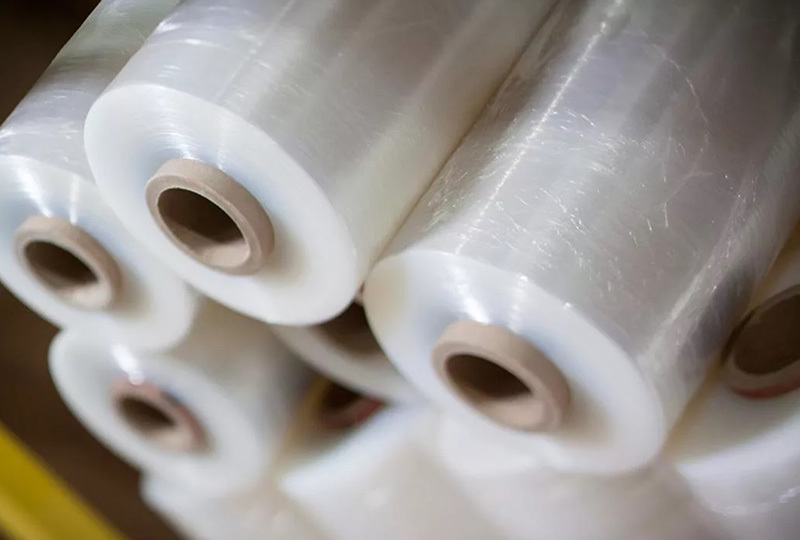
4. **Cutting and Packaging**: The cling film is cut into rolls and packaged for distribution.
This process not only requires energy but also generates waste, contributing to its overall environmental footprint.
The Myths About PVC Cling Film
Myth 1: PVC Cling Film is Completely Safe for Food Storage
Many believe that PVC cling film is perfectly safe for food storage. However, certain chemicals in PVC can leach into food, especially when heated. Understanding these risks is vital for informed consumption.
Myth 2: PVC Cling Film is Biodegradable
A common misconception is that PVC cling film breaks down easily in the environment. In reality, PVC can take centuries to degrade, posing long-term environmental hazards.
Myth 3: All Plastic Wraps are Created Equal
Not all plastic wraps are made from the same materials. PVC cling film is different from polyethylene (PE) wraps and may have varied environmental impacts and safety profiles.
The Facts About PVC Cling Film
Fact 1: PVC is a Non-Renewable Resource
PVC is derived from fossil fuels, making it a non-renewable resource. This reliance on finite resources raises concerns about the sustainability of PVC production.
Fact 2: Recycling Options are Limited
Recycling PVC cling film is challenging due to contamination and the complex nature of plastic recycling systems. This limitation leads to increased plastic waste in landfills.
Fact 3: PVC Cling Film Can Release Harmful Chemicals
When exposed to heat or certain foods, PVC cling film can release **phthalates** and other harmful chemicals. These substances have been linked to health issues, making careful usage essential.
Environmental Impact of PVC Cling Film
The environmental consequences of PVC cling film are significant:
- **Pollution**: The production and disposal of PVC contribute to air and water pollution.
- **Waste**: With limited recycling options, PVC cling film often ends up in landfills, where it can take hundreds of years to decompose.
- **Marine Life Threats**: Improper disposal can lead to plastic pollution in oceans, endangering marine life and ecosystems.
Recognizing these impacts is crucial for consumers looking to minimize their environmental footprint.
Sustainable Alternatives to PVC Cling Film
Consumers interested in reducing their environmental impact can explore various alternatives to PVC cling film:
1. **Beeswax Wraps**: Made from cotton infused with beeswax, these wraps are reusable and biodegradable.
2. **Silicone Food Covers**: These flexible covers can be used to seal bowls and containers, eliminating the need for single-use plastic.
3. **Glass Containers**: Investing in glass storage containers is an effective way to reduce plastic waste while keeping food fresh.
By opting for these alternatives, individuals can support sustainability and reduce reliance on PVC.
How to Dispose of PVC Cling Film Properly
Proper disposal of PVC cling film is essential to mitigate its environmental impact:
- **Avoid Littering**: Always dispose of cling film in designated waste bins.
- **Check Local Recycling Guidelines**: While recycling options are limited, some localities may have specific programs for PVC.
- **Reduce Usage**: Aim to minimize the use of PVC cling film in favor of more sustainable options whenever possible.
By adopting responsible disposal practices, consumers can play a part in addressing plastic waste issues.
Conclusion
The environmental impact of PVC cling film is complex and multifaceted. While it offers convenience in food storage, the associated myths and facts reveal significant concerns regarding safety, waste, and sustainability. By educating ourselves and opting for eco-friendly alternatives, we can make informed choices that benefit both our health and the planet. The journey towards sustainability begins with awareness and action, paving the way for a greener future.
FAQs
1. Is PVC cling film safe for wrapping food?
While PVC cling film is widely used, it can leach harmful chemicals into food, especially when heated. It’s important to use it cautiously.
2. How long does PVC cling film take to decompose?
PVC cling film can take hundreds of years to decompose, contributing to long-term environmental pollution.
3. What are the best alternatives to PVC cling film?
Alternatives such as beeswax wraps, silicone food covers, and glass containers are effective and sustainable options for food storage.
4. Can PVC cling film be recycled?
Recycling PVC cling film is challenging, and many recycling programs do not accept it due to contamination issues. Always check local guidelines.
5. How can I minimize plastic waste in my kitchen?
To reduce plastic waste, consider using reusable products, such as cloth bags, beeswax wraps, and glass containers, and limit the use of single-use plastics like cling film.
Related News
What are the characteristics of PVC fresh-keeping film for food preservation

Can PVC plastic wrap be heated in a microwave oven?
What is the difference between PVC cling film and PE cling film
The choice of PVC cling film need to pay attention to what

Professional Cling Film Manufacturer
Address: No.3 Jiefang road (east) Cangzhou Economy Development Zone, Cangzhou City, Hebei province, China.
Please leave your email, we will contact you as soon as possible, thank you!