

The Essential Guide to PVC Film for Food Grade Applications
Release time:
Jun 18,2026
PVC film for food grade applications is an increasingly popular choice in the packaging industry, particularly for its versatility and effectiveness in preserving various food products. As part of the plastic packaging materials sector, PVC (Polyvinyl Chloride) film is prized for its durability, clarity, and excellent barrier properties, making it ideal for food-grade uses. One of the key advanta
One of the key advantages of food grade PVC film is its ability to maintain the freshness of food items. Its barrier properties prevent moisture loss and protect against environmental factors such as oxygen and light, which can degrade food quality. This is particularly important for perishable goods, where extended shelf life can lead to reduced waste and enhanced customer satisfaction.
In addition to freshness preservation, PVC film also offers a high level of clarity, allowing consumers to visually inspect the product without opening the packaging. This transparency can enhance the appeal of food products on store shelves, as it showcases their quality and freshness. Moreover, its flexibility and ease of manipulation make it suitable for a range of packaging styles, from wraps to pouches.
When considering PVC film for food grade applications, it is essential to ensure that the film is compliant with food safety regulations. Food grade PVC film is specifically manufactured to meet stringent safety standards, ensuring that it does not leach harmful substances into food. This is crucial for maintaining food safety and consumer trust.
Furthermore, PVC film is known for its cost-effectiveness compared to other materials. While not biodegradable, advancements in recycling processes mean that PVC can be recycled and reused, contributing to more sustainable packaging solutions. Businesses are increasingly recognizing the importance of sustainability, making the proper disposal and recycling of PVC an essential consideration for manufacturers and consumers alike.
Another factor to consider when using PVC film for food packaging is its performance under various conditions, including temperature variations and exposure to different food substances. It’s important to choose the right thickness and properties based on the specific application, whether it’s for wrapping fresh produce, meat, or ready-to-eat meals.
In conclusion, PVC film for food grade applications provides a reliable and efficient solution for packaging needs within the food industry. Its combination of durability, clarity, and protective qualities makes it a top choice for maintaining food quality and safety. As the industry continues to evolve, staying informed about the advancements in PVC technology will enable businesses to make better decisions regarding their packaging strategies.
Related News
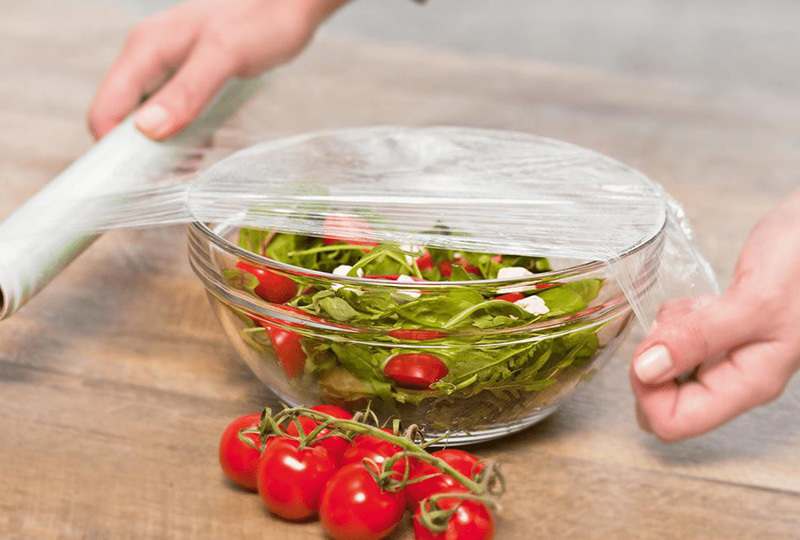
What are the characteristics of PVC fresh-keeping film for food preservation

Can PVC plastic wrap be heated in a microwave oven?
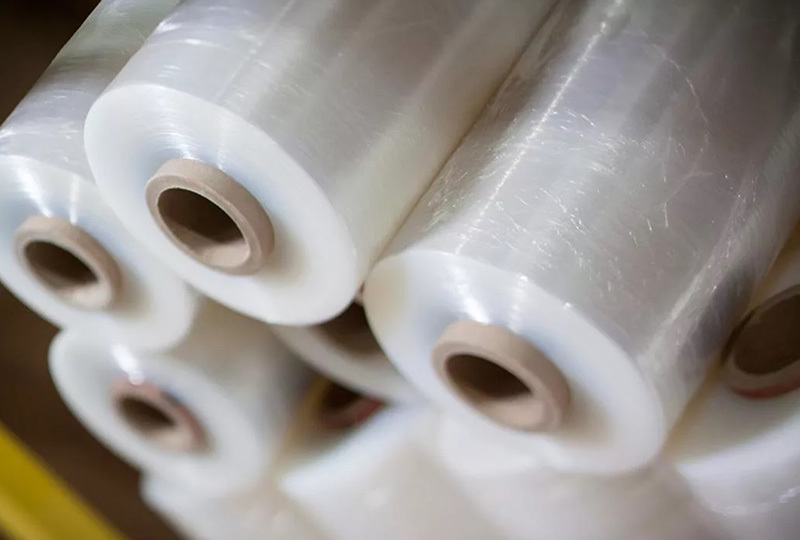
What is the difference between PVC cling film and PE cling film
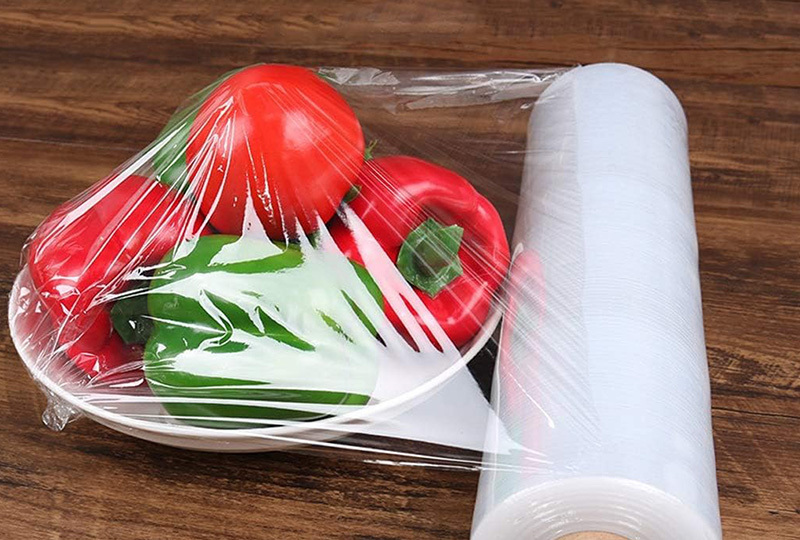
The choice of PVC cling film need to pay attention to what

Professional Cling Film Manufacturer
Address: No.3 Jiefang road (east) Cangzhou Economy Development Zone, Cangzhou City, Hebei province, China.
Please leave your email, we will contact you as soon as possible, thank you!