

Exploring the Benefits and Applications of PVC Film for Food Grade Packaging
Release time:
Jul 06,2026
PVC film for food grade applications is an essential component in the packaging industry, particularly for preserving food quality and safety. As a widely used material, PVC (Polyvinyl Chloride) offers several characteristics that make it suitable for food packaging. Understanding these properties can help businesses make informed decisions about the materials they use in their packaging processes
One of the primary advantages of PVC film is its excellent barrier properties. It effectively protects food items from moisture, oxygen, and light, which can significantly extend the shelf life of products. This feature is especially beneficial for perishable items, as it helps prevent spoilage and maintains freshness. Additionally, the film’s strength and flexibility allow it to be applied in various packaging forms, including shrink wraps, vacuum bags, and more, making it adaptable to different food products.
Another key aspect of PVC film for food grade use is its ability to conform to various shapes and sizes. This flexibility enables manufacturers to package irregularly shaped items efficiently. Furthermore, PVC film can be sealed tightly, creating a secure environment that minimizes the risk of contamination. This is crucial in ensuring that food products remain safe for consumption.
In terms of compliance, food-grade PVC films are manufactured to meet strict safety standards. These materials are evaluated for their suitability in contact with food, ensuring that no harmful substances migrate into the packaged items. By choosing PVC film that complies with food safety regulations, businesses can enhance consumer trust and safeguard their brand reputation.
From a cost-effectiveness perspective, PVC film is an economical choice for food packaging. Its durability and resistance to punctures and tears reduce waste and material costs. Moreover, the lightweight nature of PVC film contributes to lower shipping costs, making it a preferred option for manufacturers looking to optimize their packaging processes.
The versatility of PVC film extends beyond traditional food packaging. It is also used in applications such as labelling, surface protection, and shrink-wrapping for a variety of food products, including meats, cheeses, and baked goods. This adaptability allows businesses across different sectors to utilize PVC film effectively, catering to diverse packaging needs.
In conclusion, PVC film for food grade applications serves as a vital component in the packaging industry. Its barrier properties, flexibility, compliance with safety standards, and cost-effectiveness make it an ideal choice for preserving food quality and ensuring consumer safety. By understanding the benefits and applications of PVC film, businesses can leverage its advantages to enhance their packaging solutions and meet the growing demands of the market.
Related News
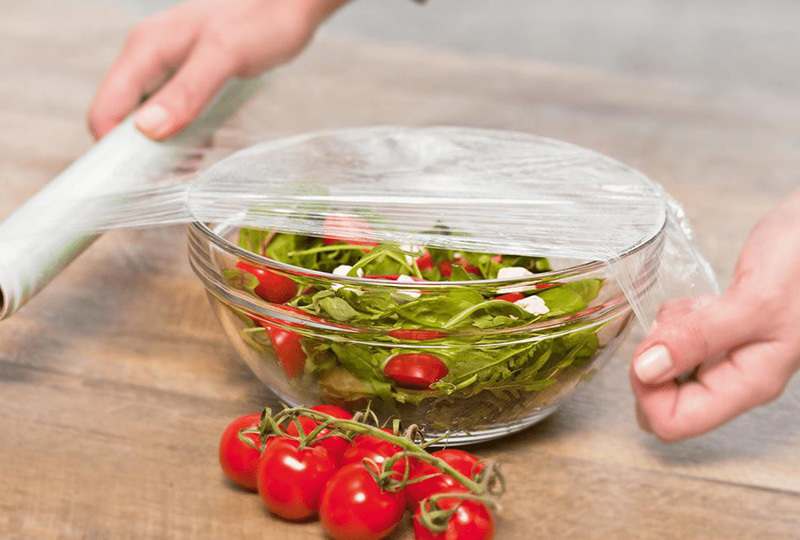
What are the characteristics of PVC fresh-keeping film for food preservation

Can PVC plastic wrap be heated in a microwave oven?
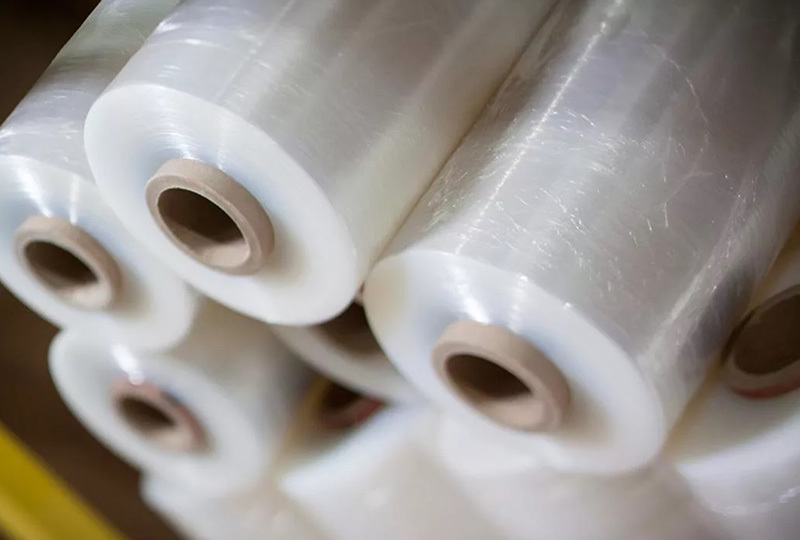
What is the difference between PVC cling film and PE cling film
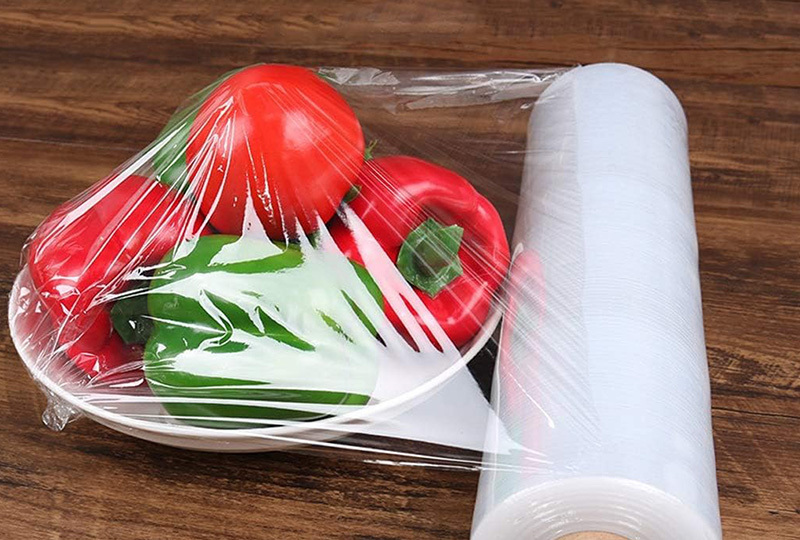
The choice of PVC cling film need to pay attention to what

Professional Cling Film Manufacturer
Address: No.3 Jiefang road (east) Cangzhou Economy Development Zone, Cangzhou City, Hebei province, China.
Please leave your email, we will contact you as soon as possible, thank you!