

Enhancing Food Safety with High-Quality Food Grade PVC Film
Release time:
Jul 21,2026
Enhancing Food Safety with High-Quality Food Grade PVC Film Introduction to Food Safety and Packaging In the food industry, ensuring safety and quality is paramount. Packaging plays a crucial role in protecting food from contamination, extending its shelf life, and maintaining its freshness. **Food grade PVC film** has emerged as a popular choice due to its versatile applications and effective bar
Enhancing Food Safety with High-Quality Food Grade PVC Film
Introduction to Food Safety and Packaging
In the food industry, ensuring safety and quality is paramount. Packaging plays a crucial role in protecting food from contamination, extending its shelf life, and maintaining its freshness. **Food grade PVC film** has emerged as a popular choice due to its versatile applications and effective barrier properties. In this article, we will delve deep into the advantages of using high-quality PVC film for food safety, its various applications, and best practices for its use.
What is Food Grade PVC Film?
Food grade PVC film is a type of plastic wrap made from polyvinyl chloride that is specifically designed for food contact. Its formulation ensures that it is safe for wrapping food items, minimizing the risk of chemical leaching and contamination. Unlike regular PVC, food grade PVC film meets stringent safety standards set by regulatory authorities, making it a reliable choice for packaging food products.
Properties of High-Quality Food Grade PVC Film
The effectiveness of food grade PVC film in preserving food quality and safety can be attributed to its unique properties:
1. Excellent Barrier Properties
Food grade PVC film provides a strong barrier against moisture, gases, and odors, which helps in maintaining the freshness of the food. This property is essential for preventing spoilage and extending the shelf life of various food items.
2. Clarity and Transparency
The clarity of PVC film allows for easy identification of the product without unwrapping, which is beneficial for both consumers and retailers. This transparency helps maintain product appeal while providing visual assurance of the food's quality.
3. Flexibility and Stretchability
High-quality PVC film is flexible and stretchable, enabling it to conform to the shape of different food items. This adaptability ensures that the seal is tight, enhancing the protection against external contaminants.
Benefits of Using Food Grade PVC Film for Food Safety
When it comes to food packaging, choosing the right materials is critical. Here are some significant benefits of utilizing food grade PVC film:
1. Enhanced Food Preservation
**Food grade PVC film** creates a micro-environment around food products, reducing oxygen exposure and moisture loss. This environment slows down the growth of spoilage bacteria and other pathogens, thereby preserving the quality and safety of the food.
2. Cost-Effective Solution
Compared to other food packaging materials, food grade PVC film is a cost-effective option. Its durability and effectiveness in preventing spoilage can result in reduced food waste and lower overall packaging costs.
3. Compliance with Food Safety Regulations
Using food grade PVC film ensures compliance with food safety regulations. This compliance is vital for businesses aiming to maintain high standards and avoid legal repercussions. The film is tested for safety and is suitable for direct contact with food.
4. Versatile Applications
Food grade PVC film is extremely versatile. It is used in various applications, including:
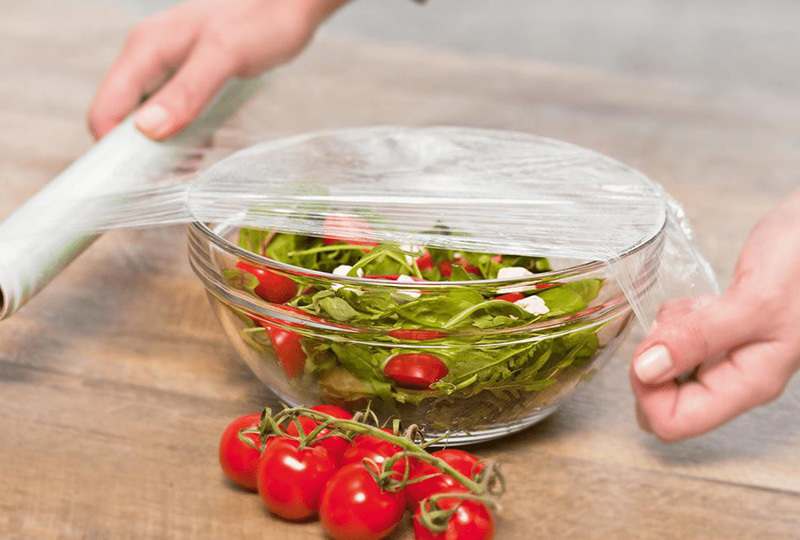
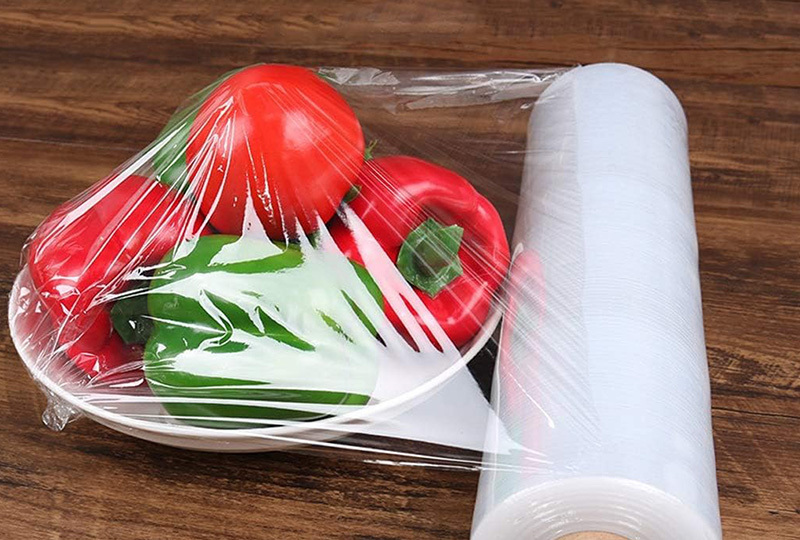
- **Wrapping fresh produce**: Helps in maintaining freshness while allowing the produce to breathe.
- **Packaging deli meats and cheeses**: Prevents drying and preserves flavor.
- **Sealing prepared meals**: Ensures safety and extends shelf life.
- **Retail displays**: Enhances visual appeal while maintaining product integrity.
Best Practices for Using Food Grade PVC Film
To maximize the benefits of food grade PVC film, it's essential to follow best practices:
1. Proper Storage Conditions
Store the PVC film in a cool, dry place, away from direct sunlight and extreme temperatures. Exposure to heat can degrade the film's properties, compromising its effectiveness.
2. Use Appropriate Thickness
Select the right thickness of the film according to the application. Thinner films are suitable for wrapping fresh produce, while thicker films are better for heavier items.
3. Ensure Cleanliness
Before using food grade PVC film, ensure that the hands and surfaces are clean. This precaution minimizes the risk of contamination during packaging.
4. Check for Damage
Inspect the film for any signs of damage or defects before use. Damaged film can compromise food safety and quality.
Comparison with Other Packaging Materials
While food grade PVC film offers numerous benefits, it's important to compare it with other packaging materials:
1. Food Grade Polyethylene (PE) Film
Food grade PE film is another popular option, known for its flexibility and moisture barrier properties. However, it is generally less effective in preventing oxygen transmission compared to PVC film, making PVC a better choice for certain applications.
2. BOPP (Biaxially Oriented Polypropylene) Film
BOPP film provides excellent clarity and stiffness and is often used for printed packaging. While it offers good moisture resistance, it may not provide the same level of oxygen barrier as food grade PVC film.
3. Paper Packaging
Paper packaging is biodegradable and eco-friendly but often lacks the moisture barrier properties of PVC film. This can result in quicker spoilage of food products.
Environmental Considerations of Using PVC Film
As the world becomes increasingly aware of environmental issues, it is vital to consider the impact of packaging materials. PVC film has faced scrutiny due to its environmental footprint. However, advancements in recycling technologies and sustainable production methods are making it easier to mitigate these concerns.
1. Recycling PVC Film
PVC film can be recycled, but it requires specialized facilities. Consumers and businesses should seek local recycling programs that accept PVC to minimize waste.
2. Sustainable Production Practices
Manufacturers are increasingly adopting sustainable practices in the production of food grade PVC film, reducing energy consumption and carbon emissions.
Frequently Asked Questions (FAQs)
1. Is food grade PVC film safe for packaging all types of food?
Yes, food grade PVC film is safe for various food items, including fresh produce, meats, and cooked meals, as long as it meets regulatory safety standards.
2. Can food grade PVC film be used in microwaves?
While some food grade PVC films are microwave-safe, it is essential to check the manufacturer's guidelines before using them in a microwave.
3. How can I ensure that I am using high-quality PVC film?
Purchase food grade PVC film from reputable suppliers with certifications that ensure compliance with food safety standards.
4. What are the alternatives to food grade PVC film?
Alternatives include food grade polyethylene film, BOPP film, and biodegradable options, each with its own advantages and drawbacks.
5. How does food grade PVC film help reduce food waste?
By extending the shelf life of food products and preventing spoilage, high-quality PVC film helps reduce food waste and costs associated with food disposal.
Conclusion
High-quality food grade PVC film is a game-changer in the food packaging industry, offering numerous benefits that enhance food safety, preserve quality, and prolong shelf life. Its versatility makes it suitable for a wide range of applications, from fresh produce to prepared meals. By adhering to best practices and understanding the properties of this material, businesses can ensure compliance with safety regulations and reduce food waste. As the industry moves towards more sustainable practices, food grade PVC film will continue to play a pivotal role in ensuring the safety and quality of our food supply.
Related News
What are the characteristics of PVC fresh-keeping film for food preservation

Can PVC plastic wrap be heated in a microwave oven?
What is the difference between PVC cling film and PE cling film
The choice of PVC cling film need to pay attention to what

Professional Cling Film Manufacturer
Address: No.3 Jiefang road (east) Cangzhou Economy Development Zone, Cangzhou City, Hebei province, China.
Please leave your email, we will contact you as soon as possible, thank you!