

Understanding PVC Film for Food Grade Applications: Key Insights and Benefits
Release time:
Jul 24,2026
PVC film for food grade applications is a popular choice in the packaging industry due to its versatility, durability, and excellent barrier properties. Polyvinyl chloride (PVC) is a synthetic plastic polymer that can be processed into flexible films ideal for packaging materials. When designed for food contact, PVC film adheres to strict safety standards, ensuring that it is non-toxic and suitabl
One of the primary advantages of food-grade PVC film is its excellent clarity, which allows consumers to see the product packaging clearly. This feature is particularly important in retail, as clear packaging not only showcases the product but also enhances its appeal to customers. The film is also resistant to tearing and punctures, providing a reliable barrier against external contaminants that could compromise food safety.
Another significant benefit of PVC film is its superior sealing properties. The ability to create strong seals helps in extending the shelf life of food products by preventing air and moisture from entering the package. This is especially important for perishable items, as it helps maintain freshness and quality over time. Additionally, PVC film can be heat-sealed, making it an efficient option for high-speed packaging operations.
In terms of versatility, food-grade PVC film can be used for a wide range of applications, including vacuum packaging, shrink wrapping, and tray sealing. Its flexibility allows it to be adapted for various food types, from fresh produce and meat to baked goods and snacks. Furthermore, PVC film can be easily printed on, allowing manufacturers to incorporate branding and product information directly onto the packaging, enhancing marketing efforts.
It is also important to note that food-grade PVC film is recyclable, contributing to more sustainable packaging solutions. By choosing recyclable materials, manufacturers can help reduce plastic waste and promote an environmentally friendly approach to food packaging.
In conclusion, PVC film for food grade applications stands out as a reliable and effective choice in the packaging industry. Its clarity, sealing capabilities, durability, and versatility make it an excellent option for a variety of food products. As the demand for safe and appealing food packaging continues to grow, understanding the benefits of food-grade PVC film can help businesses make informed decisions that enhance product quality and consumer safety.
Related News
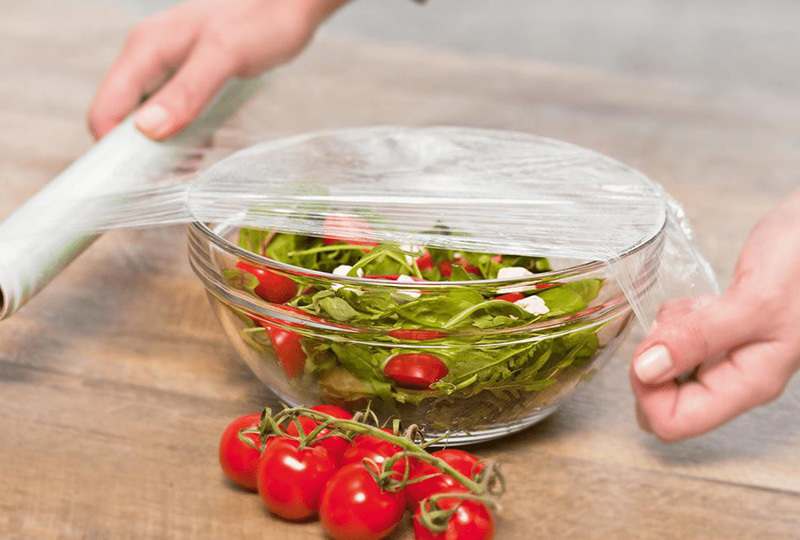
What are the characteristics of PVC fresh-keeping film for food preservation

Can PVC plastic wrap be heated in a microwave oven?
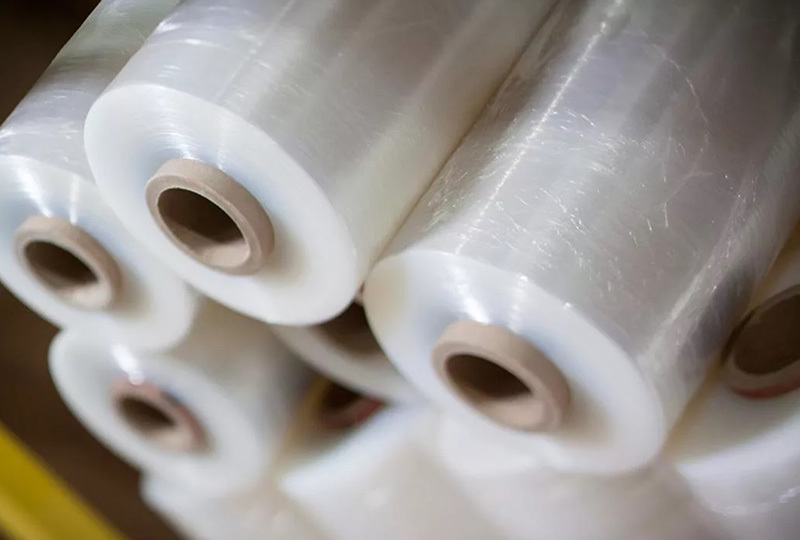
What is the difference between PVC cling film and PE cling film
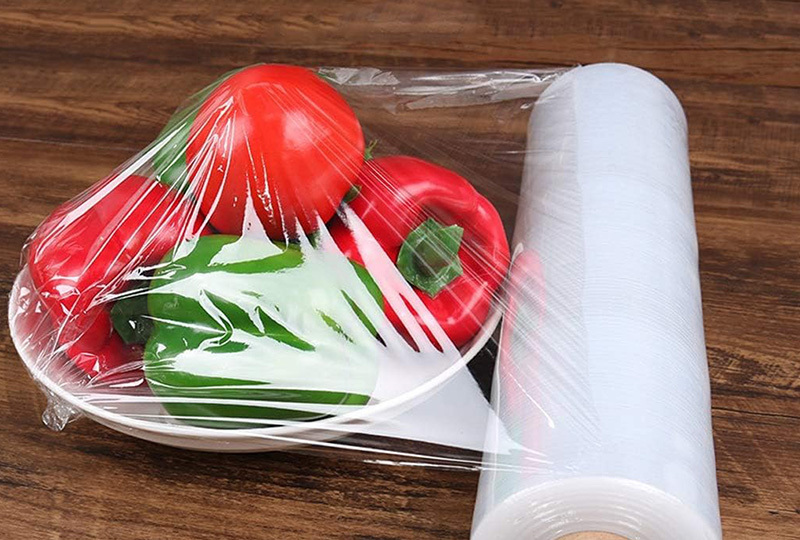
The choice of PVC cling film need to pay attention to what

Professional Cling Film Manufacturer
Address: No.3 Jiefang road (east) Cangzhou Economy Development Zone, Cangzhou City, Hebei province, China.
Please leave your email, we will contact you as soon as possible, thank you!