

Step-by-Step Guide to Operating a PVC Cling Film Machine for Maximum Efficiency
Release time:
Aug 02,2026
Step-by-Step Guide to Operating a PVC Cling Film Machine for Maximum Efficiency Table of Contents 1. Introduction to PVC Cling Film Machines 2. Understanding PVC Cling Film and Its Applications 3. Key Components of a PVC Cling Film Machine 4. Pre-Operational Checks Before Running the Machine 5. Step-by-Step Operational Procedures 5.1 Setting Up the Machine
Step-by-Step Guide to Operating a PVC Cling Film Machine for Maximum Efficiency
Table of Contents
- 1. Introduction to PVC Cling Film Machines
- 2. Understanding PVC Cling Film and Its Applications
- 3. Key Components of a PVC Cling Film Machine
- 4. Pre-Operational Checks Before Running the Machine
- 5. Step-by-Step Operational Procedures
- 6. Monitoring Production Efficiency
- 7. Maintenance Tips for Longevity
- 8. Troubleshooting Common Issues
- 9. FAQs About PVC Cling Film Machines
- 10. Conclusion
1. Introduction to PVC Cling Film Machines
Operating a **PVC cling film machine** is a vital process in the packaging and printing industry. This machine is specifically designed to produce cling films that adhere to surfaces without the need for adhesives. As businesses demand high-quality packaging solutions, understanding how to effectively operate this machine becomes crucial to achieving optimal efficiency and product quality. This guide will walk you through each aspect of operating a PVC cling film machine to ensure seamless production.
2. Understanding PVC Cling Film and Its Applications
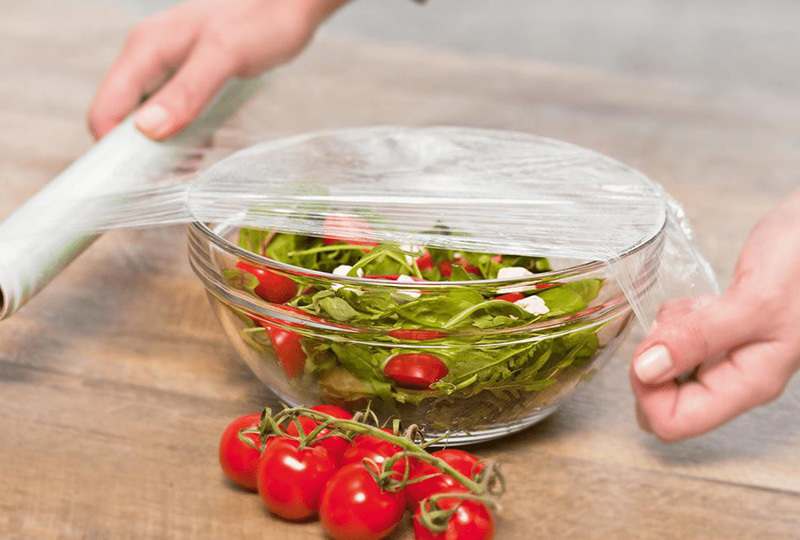
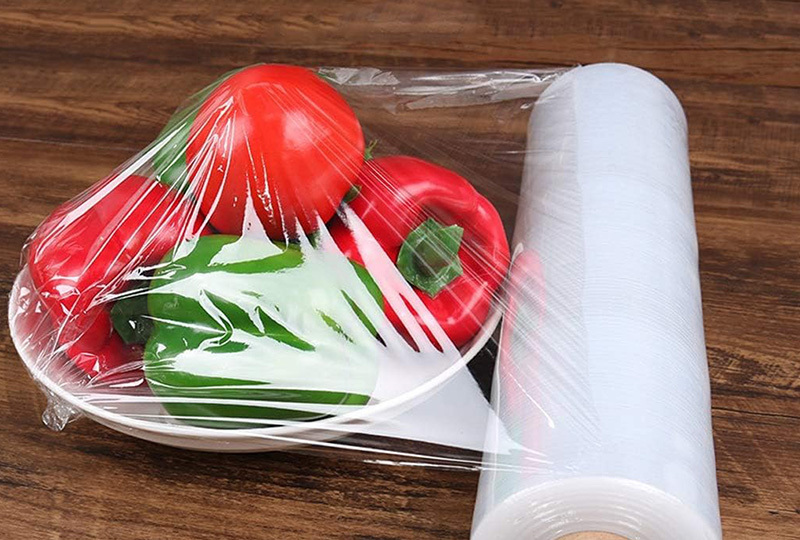
PVC cling film is widely used in various industries due to its excellent stretchability, clarity, and ability to maintain product freshness. Common applications include food packaging, medical supplies, and surface protection for various products. Understanding the unique properties of PVC cling film is essential for operators to adjust machine settings appropriately and meet production demands.
3. Key Components of a PVC Cling Film Machine
To operate a PVC cling film machine effectively, one must be familiar with its key components:
- Extruder: Responsible for melting and extruding the PVC material into a film.
- Die: Shapes the melted PVC into a continuous sheet.
- Cooling System: Helps solidify the film by cooling it after it is extruded.
- Winding Unit: Collects the finished film rolls.
- Control Panel: Allows operators to set parameters such as temperature, speed, and tension.
Familiarity with these components ensures that operators can troubleshoot issues effectively and maintain production quality.
4. Pre-Operational Checks Before Running the Machine
Before operating the PVC cling film machine, several **pre-operational checks** must be performed:
- Ensure all safety guards are in place.
- Check for any signs of wear or damage on belts or rollers.
- Confirm that the machine is clean and free from debris.
- Verify that all electrical connections are secure.
- Ensure the material feed is ready and compatible with the machine.
Completing these checks minimizes the risk of malfunctions and enhances the efficiency of the production process.
5. Step-by-Step Operational Procedures
Operating the PVC cling film machine involves several critical steps to ensure high-quality output.
5.1 Setting Up the Machine
- Begin by **powering on the machine** and allowing it to warm up to the recommended operating temperature.
- Adjust the **temperature settings** according to the specifications of the PVC material being used. The right temperature ensures proper melting and extrusion.
- Set the **speed** of the extruder based on the desired thickness and production volume.
5.2 Loading the PVC Material
- Carefully load the PVC granules into the hopper, ensuring there are no blockages.
- Monitor the feed rate to maintain a consistent flow of material into the extruder.
- Conduct a test run with a small batch to ensure that the film produced meets the required thickness and clarity.
6. Monitoring Production Efficiency
As the machine operates, consistently monitor the following parameters:
- **Film Thickness:** Use gauges to check that the film meets standard specifications.
- **Production Speed:** Adjust the speed based on the output and material behavior.
- **Quality Checks:** Conduct frequent inspections of the film for defects such as bubbles or uneven thickness.
Regular monitoring helps maintain high production quality and minimizes waste.
7. Maintenance Tips for Longevity
Proper maintenance of the PVC cling film machine is essential for ensuring longevity and performance:
- Conduct regular cleaning to remove any residue from the extruder and die.
- Lubricate moving parts as recommended by the manufacturer.
- Schedule periodic inspections to identify wear and replace parts as necessary.
- Keep a log of maintenance activities to track any recurring issues.
Implementing these practices will significantly enhance the machine's lifespan and efficiency.
8. Troubleshooting Common Issues
Even with careful operation, issues may arise. Here are common problems and their solutions:
- Film Breakage: Check for improper tension settings or worn-out rollers.
- Inconsistent Thickness: Ensure the die is properly calibrated and the temperature is consistent.
- Bubbles in Film: Inspect the cooling system and adjust cooling rates as necessary.
Having a troubleshooting guide readily available can significantly reduce downtime and maintain productivity.
9. FAQs About PVC Cling Film Machines
- What type of PVC is best for cling film production?
The best type is typically a low-density PVC that offers flexibility and clarity. - How often should I perform maintenance on my cling film machine?
Regular maintenance should be performed at least once a month, with daily checks prior to operation. - Can I use other materials besides PVC in the cling film machine?
It’s best to use materials specifically designed for cling films to ensure quality and performance. - What is the average production speed of a PVC cling film machine?
Production speed can vary, but most machines operate between 20 to 150 meters per minute depending on the model and settings. - How do I know if my cling film is of high quality?
High-quality cling film should be clear, stretchable, and adhere well without tearing.
10. Conclusion
Successfully operating a PVC cling film machine requires a blend of technical knowledge, practical experience, and regular maintenance. By following this step-by-step guide, operators can enhance efficiency, maintain high product quality, and reduce downtime. Embracing best practices in both operation and maintenance will lead to a significant boost in productivity and profitability in the packaging industry.
Related News
What are the characteristics of PVC fresh-keeping film for food preservation

Can PVC plastic wrap be heated in a microwave oven?
What is the difference between PVC cling film and PE cling film
The choice of PVC cling film need to pay attention to what

Professional Cling Film Manufacturer
Address: No.3 Jiefang road (east) Cangzhou Economy Development Zone, Cangzhou City, Hebei province, China.
Please leave your email, we will contact you as soon as possible, thank you!