

Sustainable Living: Incorporating Degradable Cling Film into Your Home
Release time:
Aug 12,2026
Sustainable Living: Incorporating Degradable Cling Film into Your Home Table of Contents Introduction to Sustainable Living What is Degradable Cling Film? Benefits of Using Degradable Cling Film How Degradable Cling Film Works Practical Uses of Degradable Cling Film in the Home Choosing the Right Degradable Cling Film Tips for Sustainable Living with Degradable Cling Film Frequent
Sustainable Living: Incorporating Degradable Cling Film into Your Home
Table of Contents
- Introduction to Sustainable Living
- What is Degradable Cling Film?
- Benefits of Using Degradable Cling Film
- How Degradable Cling Film Works
- Practical Uses of Degradable Cling Film in the Home
- Choosing the Right Degradable Cling Film
- Tips for Sustainable Living with Degradable Cling Film
- Frequently Asked Questions
- Conclusion
Introduction to Sustainable Living
In recent years, the movement towards **sustainable living** has gained significant momentum, as individuals and families seek ways to reduce their environmental impact. One effective method of contributing to a greener planet is by integrating eco-friendly products into our daily lives. This article will focus on one such product: **degradable cling film**. We will explore its benefits, uses, and how it can seamlessly fit into your sustainable lifestyle.
What is Degradable Cling Film?
Degradable cling film is a type of plastic wrap designed to break down over time, unlike conventional plastic films that can take hundreds of years to decompose. Typically made from biodegradable materials, such as starch or other eco-conscious polymers, this cling film provides a sustainable alternative for food storage and preservation. Its unique composition allows it to decompose naturally, reducing the burden on landfills and minimizing plastic pollution in our environment.
Benefits of Using Degradable Cling Film
Integrating degradable cling film into your home offers numerous benefits, making it an attractive choice for environmentally-conscious consumers. Here are some key advantages:
1. Eco-Friendly Material
Degradable cling film is made from materials that break down naturally, which means it contributes less to environmental pollution compared to traditional plastic wraps. This makes it a responsible choice for reducing your carbon footprint.
2. Food Safety
This cling film is designed to keep food fresh while preventing contamination. By using degradable cling film, you not only store food safely but also make a conscious choice for the environment.
3. Versatility in Use
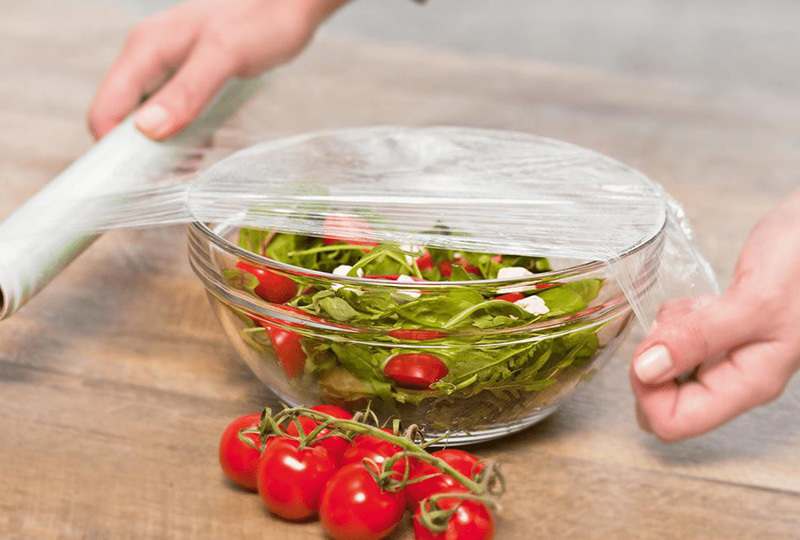
Degradable cling film can be used in various applications, from wrapping leftovers to covering bowls and dishes. Its versatility makes it a staple in any kitchen focused on sustainability.
4. Cost-Effective
While some might assume that eco-friendly options are more expensive, degradable cling film is often competitively priced with traditional plastic wraps. Investing in these products can save money in the long run due to their reusability and the positive impact on your health and the planet.
5. Supporting Sustainable Practices
Choosing degradable cling film supports companies that prioritize sustainability. By purchasing these products, you contribute to a market that values environmental responsibility and encourages innovation in eco-friendly packaging solutions.
How Degradable Cling Film Works
The science behind degradable cling film lies in its unique composition. Unlike traditional plastic cling film, which is often derived from non-renewable petroleum sources, degradable cling films are commonly made from biodegradable materials that can break down through biological processes.
The Degradation Process
Degradable cling film is designed to break down when exposed to moisture and light. This degradation process can vary depending on environmental conditions, but generally, the film will begin to lose its structural integrity within a few months to a year. Once degraded, the materials return to the earth without leaving harmful residues.
Practical Uses of Degradable Cling Film in the Home
Incorporating degradable cling film into your daily routine can enhance your sustainable living efforts. Here are some practical uses for this eco-friendly product:
1. Food Storage
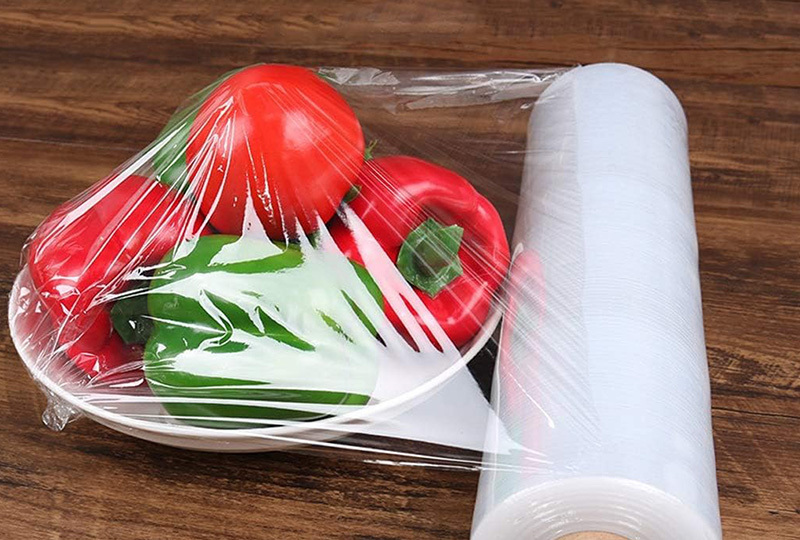
Wrap leftovers or cover bowls of food to keep them fresh. Degradable cling film provides an effective barrier against air and contaminants, ensuring your food stays safe while reducing plastic waste.
2. Packing for Lunch
Use degradable cling film to wrap sandwiches, fruits, and snacks for lunch. This not only keeps your food fresh but also eliminates the need for single-use plastic bags.
3. Craft Projects
Degradable cling film can be utilized in various craft projects. For example, it can be used to cover paint palettes or to create protective barriers when working on art projects, reducing the need for disposable plastics.
4. Organizing the Kitchen
Cover jars, bowls, and containers with degradable cling film for organization. This helps retain the freshness of the contents while keeping your kitchen tidy.
5. Eco-Friendly Gift Wrapping
Utilize degradable cling film as a creative and sustainable wrapping option for gifts. It adds a unique touch while ensuring that the packaging is environmentally friendly.
Choosing the Right Degradable Cling Film
When selecting degradable cling film for your home, consider the following factors to ensure you make the best choice:
1. Material Composition
Look for cling films made from materials like **bioplastics** or **starch derivatives**. Check the product specifications to understand the biodegradability claims and certifications.
2. Thickness and Durability
Choose a cling film that offers sufficient thickness for your applications. A thicker film may provide better durability for food storage, while a thinner film might suffice for lighter uses.
3. Brand Reputation
Research brands that prioritize sustainability and ethical practices. Look for reviews and certifications that validate their commitment to eco-friendliness.
4. Availability and Price
Compare prices among different brands and retailers. With the growing demand for eco-friendly products, many options are now available at competitive prices.
Tips for Sustainable Living with Degradable Cling Film
To maximize the benefits of degradable cling film in your home, consider these sustainable living tips:
1. Reduce, Reuse, Recycle
Incorporate the principles of reduce, reuse, and recycle into your daily routine. Use degradable cling film to cover food, but also explore other reusable storage options like **glass containers** or **beeswax wraps** for a more sustainable approach.
2. Educate Yourself and Others
Share your knowledge about the benefits of degradable cling film with family and friends. Encouraging others to adopt sustainable practices can create a ripple effect in promoting environmental responsibility.
3. Composting
If your degradable cling film is compostable, consider adding it to your compost bin once it has served its purpose. This ensures that it contributes to the enrichment of the soil rather than ending up in landfills.
4. Stay Informed
Keep up to date with the latest developments in sustainable products and practices. The market is rapidly evolving, and new innovations are continually being introduced.
5. Create a Sustainable Kitchen
Incorporate other eco-friendly practices in your kitchen, such as using cloth napkins, investing in reusable produce bags, and choosing glass or stainless steel containers for food storage.
Frequently Asked Questions
1. Is degradable cling film safe for food storage?
Yes, degradable cling film is designed to be safe for food storage, preventing contamination while being eco-friendly.
2. How long does degradable cling film take to decompose?
The decomposition time varies based on environmental conditions, but it generally breaks down within a few months to a year.
3. Can I use degradable cling film in the microwave?
Check the product specifications, as some degradable cling films may not be suitable for microwave use. Always verify the manufacturer's guidelines.
4. How do I know if the cling film I’m buying is truly eco-friendly?
Look for certifications and labels that indicate biodegradability, and research the brand’s commitment to sustainability.
5. Can degradable cling film be recycled?
While some types may be compostable, most degradable cling films are not recyclable. Always check with local recycling guidelines.
Conclusion
Incorporating **degradable cling film** into your home is a significant step towards a sustainable lifestyle. By choosing this eco-friendly alternative, we can reduce plastic waste, promote food safety, and actively contribute to a cleaner planet. With practical applications and a focus on sustainability, degradable cling film proves to be a valuable addition to our daily routines. Embrace this change, and together, we can foster a healthier environment for future generations.
Related News
What are the characteristics of PVC fresh-keeping film for food preservation

Can PVC plastic wrap be heated in a microwave oven?
What is the difference between PVC cling film and PE cling film
The choice of PVC cling film need to pay attention to what

Professional Cling Film Manufacturer
Address: No.3 Jiefang road (east) Cangzhou Economy Development Zone, Cangzhou City, Hebei province, China.
Please leave your email, we will contact you as soon as possible, thank you!