

Why PVC Food Wrapping Film is Essential for Your Kitchen
Release time:
Sep 23,2026
Why PVC Food Wrapping Film is Essential for Your Kitchen Introduction to PVC Food Wrapping Film In the culinary world, maintaining the freshness and safety of food is paramount. **PVC food wrapping film** has emerged as an essential tool in kitchens worldwide. This versatile product not only protects food from contamination but also extends its shelf life, making it a staple for both home cooks an
Why PVC Food Wrapping Film is Essential for Your Kitchen
Introduction to PVC Food Wrapping Film
In the culinary world, maintaining the freshness and safety of food is paramount. **PVC food wrapping film** has emerged as an essential tool in kitchens worldwide. This versatile product not only protects food from contamination but also extends its shelf life, making it a staple for both home cooks and professional chefs alike.
The Features of PVC Food Wrapping Film
Understanding the features of PVC food wrapping film can help you appreciate its value in your kitchen.
Durability and Strength
PVC film is known for its remarkable durability. It offers excellent tensile strength, meaning it can withstand stretching without tearing. This characteristic makes it perfect for securely wrapping various food items, from sandwiches to fruits and vegetables.
Cling Properties
One of the standout features of PVC film is its cling ability. The film adheres tightly to surfaces, ensuring an airtight seal. This property is crucial for preventing air from entering and spoiling your food.
Transparency
Another advantage of PVC food wrapping film is its transparency. This allows you to easily see the contents of your wrapped food without having to unwrap it, facilitating quick access and organization in your fridge or pantry.
The Benefits of Using PVC Food Wrapping Film
Now that we understand the features, let’s delve into the significant benefits that PVC food wrapping film offers.
Preservation of Food Freshness
One of the primary reasons to use PVC food wrapping film is its ability to preserve food freshness. By sealing out air and moisture, it helps to maintain the flavor, texture, and nutritional value of food items. Fresh fruits and vegetables, for instance, can last significantly longer when wrapped properly.
Protection from Contaminants
Food safety is a critical concern in every kitchen. PVC food wrapping film acts as a barrier against contaminants, including bacteria, dust, and other environmental factors. This protective layer helps ensure that your food remains safe for consumption.
Convenience and Versatility
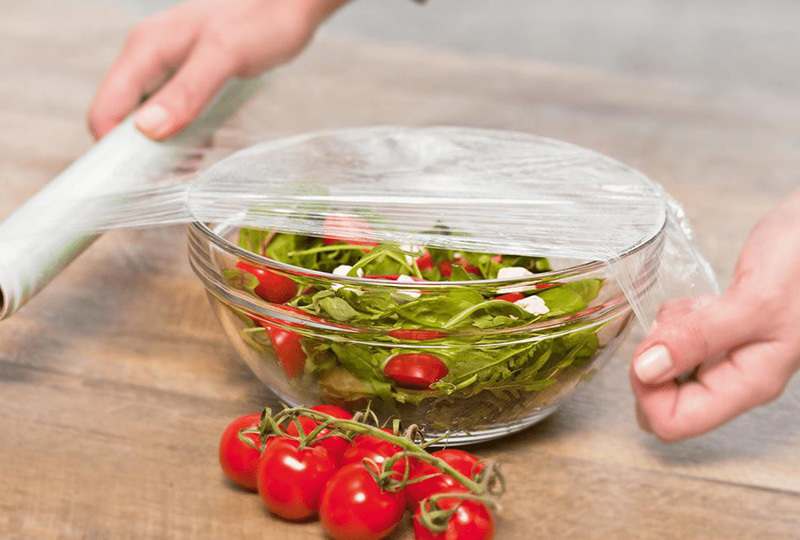
PVC food wrapping film is incredibly versatile and convenient. Whether you are wrapping leftovers, packaging meal prep items, or covering bowls, this film can handle it all. Its easy-to-use design allows for quick wrapping, saving you time in the kitchen.
How to Use PVC Food Wrapping Film Effectively
Using PVC food wrapping film correctly can maximize its benefits. Here are some tips on how to use it effectively.
Preparing Your Food
Before wrapping, ensure that your food items are clean and dry. Excess moisture can lead to spoilage, reducing the effectiveness of the film.
Wrapping Techniques
For optimal results, use the following techniques:
1. **For Sandwiches:** Wrap the sandwich tightly, ensuring that there are no gaps. This prevents air from entering and keeps the sandwich fresh.
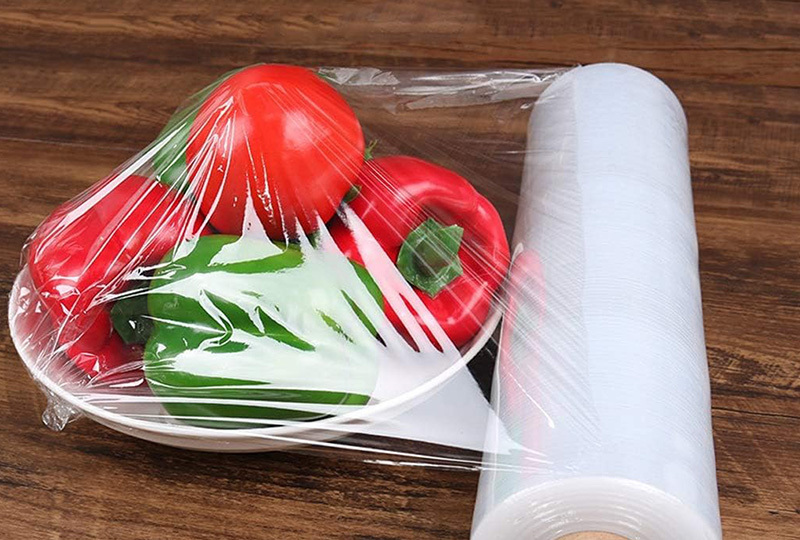
2. **For Fruits and Vegetables:** Wrap individual pieces to protect them from bruising and moisture loss.
3. **For Leftovers:** Cover dishes with film, ensuring a tight seal around the edges to lock in freshness.
Storing Wrapped Food
Store wrapped food in the refrigerator or freezer as necessary. Labeling wrapped items with dates can help keep track of their freshness and prevent waste.
Environmental Considerations of PVC Food Wrapping Film
As the world becomes more environmentally conscious, it's essential to consider the ecological impact of the products we use, including PVC food wrapping film.
Recyclability
While PVC film can be recycled, the process is not as straightforward as with other materials. It's crucial to check with local recycling facilities to confirm if they accept PVC products.
Sustainable Alternatives
For those looking for eco-friendly options, alternatives such as beeswax wraps and silicone covers are becoming increasingly popular. However, these may not provide the same level of moisture protection and shelf life extension offered by PVC film.
Common Myths About PVC Food Wrapping Film
There are several misconceptions surrounding the use of PVC food wrapping film. Let’s debunk some of the most common myths.
Myth 1: PVC Film is Unsafe for Food
Many believe that PVC film contains harmful chemicals that can leach into food. However, when used correctly and within recommended guidelines, PVC wrapping film is safe for food contact.
Myth 2: PVC Film is Not Biodegradable
While true that PVC does not biodegrade as quickly as organic materials, it can be recycled, reducing its environmental footprint when disposed of correctly.
Myth 3: All Plastic Wraps are the Same
Not all plastic wraps are created equal. PVC film has specific properties that make it superior for food storage compared to other plastic wraps, such as those made from low-density polyethylene (LDPE).
Frequently Asked Questions (FAQs)
1. Can I use PVC food wrapping film in the microwave?
No, PVC food wrapping film is not microwave-safe. It may release harmful chemicals when heated. Instead, use microwave-safe covers designed for cooking.
2. How should I store PVC food wrapping film?
Keep the film in a cool, dry place away from direct sunlight to maintain its quality and effectiveness.
3. Is PVC food wrapping film recyclable?
Yes, but recycling facilities vary. Always check with your local recycling program to confirm.
4. Can I use PVC film for freezing food?
Absolutely! PVC food wrapping film is excellent for freezing items, as it provides an airtight seal that prevents freezer burn.
5. What is the best way to cut PVC food wrapping film?
Most rolls come with built-in cutters. If yours doesn’t, use scissors to achieve a clean cut without tearing the film.
Conclusion
In conclusion, **PVC food wrapping film** serves as an essential tool in any kitchen, offering numerous benefits ranging from food preservation to safety. By understanding its features, advantages, and proper usage, you can make the most out of this versatile product. While being mindful of environmental impacts, incorporating PVC food wrapping film into your food storage strategy will undoubtedly enhance your kitchen practices. Embrace this essential product today and experience the difference it makes in your culinary adventures.
Related News
What are the characteristics of PVC fresh-keeping film for food preservation

Can PVC plastic wrap be heated in a microwave oven?
What is the difference between PVC cling film and PE cling film
The choice of PVC cling film need to pay attention to what

Professional Cling Film Manufacturer
Address: No.3 Jiefang road (east) Cangzhou Economy Development Zone, Cangzhou City, Hebei province, China.
Please leave your email, we will contact you as soon as possible, thank you!