

The Comprehensive Guide to PVC Cling Film Usage: Essential Dos and Don’ts
Release time:
Oct 07,2026
The Comprehensive Guide to PVC Cling Film Usage: Essential Dos and Don’ts PVC cling film is an indispensable tool in both domestic and commercial settings. Its versatility makes it a preferred choice for food storage, packaging, and various other applications. However, improper usage can lead to waste, spoilage, and even safety concerns. This article explores the dos and don’ts of PVC cling film u
The Comprehensive Guide to PVC Cling Film Usage: Essential Dos and Don’ts
PVC cling film is an indispensable tool in both domestic and commercial settings. Its versatility makes it a preferred choice for food storage, packaging, and various other applications. However, improper usage can lead to waste, spoilage, and even safety concerns. This article explores the dos and don’ts of PVC cling film usage, ensuring you get the most out of this essential product.
Table of Contents
- What is PVC Cling Film?
- Key Benefits of PVC Cling Film
- The Dos of Using PVC Cling Film
- Do Choose the Right Thickness
- Do Clean the Surface Before Application
- Do Use It for Food Storage
- Do Store It Properly
- The Don’ts of Using PVC Cling Film
- Don’t Use It in the Microwave
- Don’t Wrap Raw Meat Directly
- Don’t Apply to Dirty Surfaces
- Don’t Leave Extended Exposure to Heat
- How to Use PVC Cling Film Effectively
- Common Uses of PVC Cling Film
- Safety Considerations When Using PVC Cling Film
- Conclusion
- FAQs
What is PVC Cling Film?
PVC cling film, also known as plastic wrap or food wrap, is a thin, flexible film made from polyvinyl chloride (PVC). It is designed to cling to surfaces and itself, providing a secure seal that helps keep food fresh. Often used in kitchens and restaurants, PVC cling film is valuable for various packaging and storage needs. Its unique properties allow it to conform to different shapes, making it an ideal choice for wrapping food items.
Key Benefits of PVC Cling Film
Understanding the benefits of PVC cling film is essential for maximizing its use. Here are some key advantages:
1. Preservation of Freshness
PVC cling film provides an airtight seal that helps to lock in moisture and prevent the penetration of external air. This is crucial for preserving the freshness of food items, extending their shelf life and preventing spoilage.
2. Versatile Applications
Beyond food storage, PVC cling film can be used for various purposes, including protecting surfaces during painting, covering dishes in the microwave, and even crafting.
3. Cost-Effective
PVC cling film is generally more affordable than other packaging options, making it a cost-effective choice for both domestic and commercial users. Its ability to protect food items can save money by reducing waste.
4. Ease of Use
Using PVC cling film is straightforward. It easily wraps around items, providing a hassle-free way to ensure food and other products are stored securely.
The Dos of Using PVC Cling Film
To make the most of PVC cling film, adhere to these essential dos.
Do Choose the Right Thickness
Choosing the appropriate thickness of cling film is crucial depending on your intended use. Thicker films are better suited for wrapping heavier items or providing extra protection, while thinner films work well for lighter items.
Do Clean the Surface Before Application
Before applying PVC cling film, ensure that the surface is clean and dry. This ensures a strong bond and reduces the likelihood of contamination. Whether wrapping food or other items, cleanliness is key.
Do Use It for Food Storage
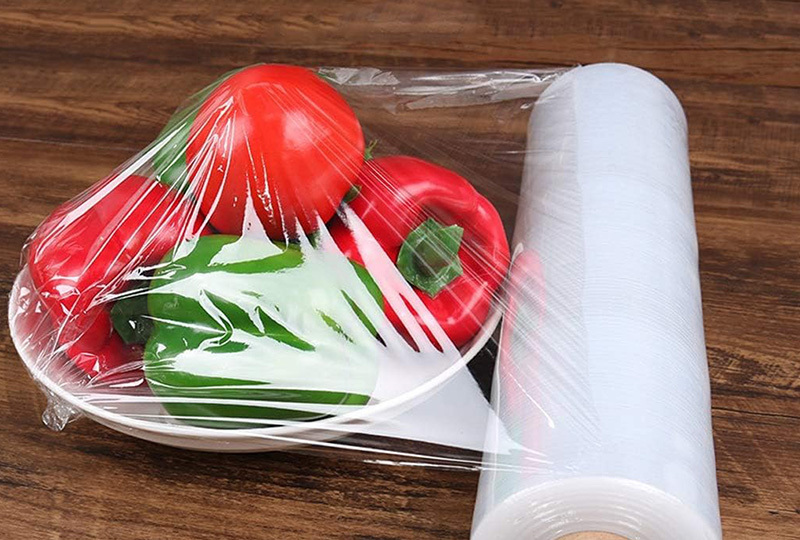
PVC cling film is designed for food storage. Use it to wrap fruits, vegetables, and leftovers, ensuring they remain fresh for an extended period. The film’s ability to cling tightly helps prevent air exposure, which can lead to spoilage.
Do Store It Properly
Store PVC cling film in a cool, dry place away from direct sunlight. Proper storage helps maintain its integrity and ensures that it performs effectively when needed.
The Don’ts of Using PVC Cling Film
While PVC cling film is highly useful, certain actions can undermine its effectiveness. Avoid the following common mistakes.
Don’t Use It in the Microwave
PVC cling film is not microwave-safe. Using it in the microwave can lead to the release of harmful chemicals and potentially cause the film to melt or warp. Always opt for microwave-safe alternatives when heating food.
Don’t Wrap Raw Meat Directly
To prevent cross-contamination, avoid wrapping raw meat directly in PVC cling film. Instead, use designated containers or separate wraps specifically for raw food items. This practice helps maintain food safety.
Don’t Apply to Dirty Surfaces
Applying cling film to dirty surfaces can lead to contamination and spoilage. Always ensure the item you are wrapping is clean, as this extends freshness and prevents foodborne illnesses.
Don’t Leave Extended Exposure to Heat
PVC cling film should not be left in high-temperature environments. Prolonged exposure to heat can cause it to warp and lose its effectiveness. Store wrapped items in a cool place.
How to Use PVC Cling Film Effectively
Using PVC cling film effectively requires some simple techniques:
1. **Cut the Right Length**: Measure out the appropriate length of cling film for the item you are wrapping. Too much excess can lead to waste.
2. **Apply Tension**: When wrapping, apply tension to the film to ensure a tight seal. This will help prevent air from entering and maintain freshness.
3. **Smooth Down Edges**: After wrapping, smooth down the edges to create a secure seal. This helps keep the cling film adhered to the surface and prevents it from loosening.
4. **Label and Date**: If using cling film for food storage, consider labeling and dating the items. This practice helps track freshness and prevents food waste.
Common Uses of PVC Cling Film
The versatility of PVC cling film enables a wide range of applications, including:
- **Food Storage**: Wrap fruits, vegetables, leftovers, and sandwiches to keep them fresh.
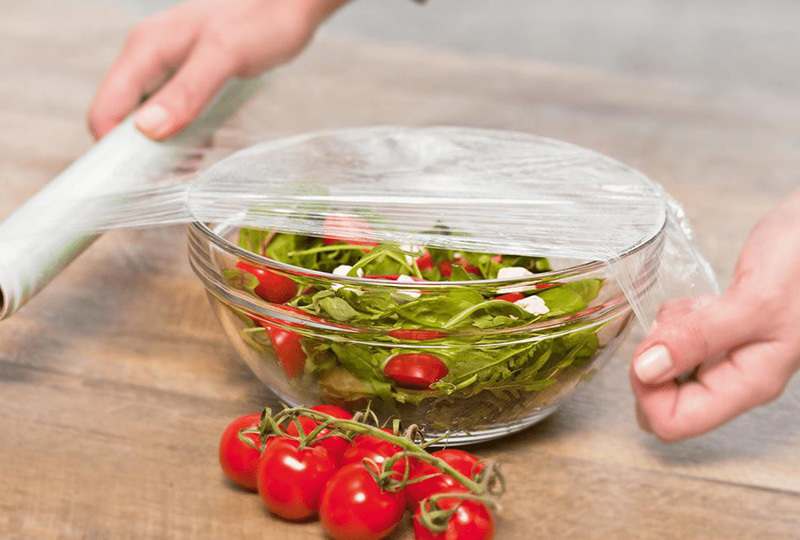
- **Protective Covering**: Use it to cover dishes or bowls to prevent dust and contamination.
- **Crafting**: Employ cling film for creative projects, such as creating molds or protecting surfaces.
- **Travel Packing**: Wrap toiletries to prevent leaks during travel.
Safety Considerations When Using PVC Cling Film
Understanding safety considerations when using PVC cling film is critical for health and well-being. Here are several points to remember:
- **Food Safety**: Always use cling film specifically designed for food contact. Check packaging for safety certifications.
- **Chemical Exposure**: Avoid exposing cling film to high temperatures or direct sunlight to prevent chemical leaching.
- **Storage Guidelines**: Adhere to recommended storage guidelines to maintain the integrity of the cling film.
Conclusion
Utilizing PVC cling film effectively can greatly enhance your food storage and packaging methods. By following the dos and don’ts outlined in this guide, you can maximize its benefits while minimizing potential issues. From ensuring food safety to preserving freshness, PVC cling film is a valuable tool in both domestic and commercial settings. Embrace these practices for a more efficient and safe usage of this versatile product.
FAQs
1. Can I use PVC cling film for non-food items?
Yes, PVC cling film is versatile and can be used for wrapping non-food items, provided they are clean and dry.
2. Is PVC cling film biodegradable?
No, PVC cling film is not biodegradable. Proper disposal methods should be followed to minimize environmental impact.
3. How long can I store food wrapped in PVC cling film?
Storage times vary by food type. Generally, use within a few days to a week for optimal freshness.
4. Can I reuse PVC cling film?
Reusing PVC cling film is not recommended due to hygiene concerns, particularly with food items.
5. Is there a difference between PVC cling film and polyethylene cling film?
Yes, PVC cling film is more effective at clinging to surfaces, while polyethylene cling film is often used for different applications, such as freezer storage.
By following these insights and guidelines, you can utilize PVC cling film effectively, ensuring the safety and freshness of your food and items.
Related News
What are the characteristics of PVC fresh-keeping film for food preservation

Can PVC plastic wrap be heated in a microwave oven?
What is the difference between PVC cling film and PE cling film
The choice of PVC cling film need to pay attention to what

Professional Cling Film Manufacturer
Address: No.3 Jiefang road (east) Cangzhou Economy Development Zone, Cangzhou City, Hebei province, China.
Please leave your email, we will contact you as soon as possible, thank you!