

Exploring the Benefits and Considerations of Hand PVC Cling Film Manufacturing
Release time:
Sep 02,2025
--- In the kitchenware industry, the production of hand PVC cling film is a significant aspect of providing effective food preservation solutions. Hand PVC cling film, known for its versatility and usability, plays a crucial role in maintaining food freshness. Understanding the operational dynamics of hand PVC cling film factories can be beneficial for industry professionals looking to enhance the
---
In the kitchenware industry, the production of hand PVC cling film is a significant aspect of providing effective food preservation solutions. Hand PVC cling film, known for its versatility and usability, plays a crucial role in maintaining food freshness. Understanding the operational dynamics of hand PVC cling film factories can be beneficial for industry professionals looking to enhance their product offerings.
The primary material used in the production of hand PVC cling film is polyvinyl chloride (PVC), which has excellent cling properties. This characteristic allows the film to adhere tightly to surfaces, ensuring an airtight seal around food items. The manufacturing process typically involves extrusion, where raw PVC pellets are heated and formed into thin sheets. The resulting film is then rolled onto dispensers, making it user-friendly and accessible for everyday kitchen use.
One of the major benefits of hand PVC cling film is its durability. It offers resistance to tearing and puncturing, making it a reliable choice for wrapping various food types, from leftovers to sandwich ingredients. Additionally, the film is often transparent, allowing users to easily identify contents without unwrapping them. This transparency is particularly advantageous in commercial settings where efficiency and quick access to food items are essential.
For factories specializing in hand PVC cling film, it is crucial to maintain high standards of quality control. This includes monitoring the thickness and clarity of the film, as well as ensuring compliance with food safety regulations. Professionals in the industry should be aware of the importance of sourcing high-quality raw materials and employing skilled labor to produce a safe and effective product.
Another consideration for manufacturers is the environmental impact of PVC. While the material is widely used, there are growing concerns regarding its biodegradability. As sustainability becomes a focal point for consumers, factories might explore alternatives or improvements in their recycling practices to reduce their ecological footprint.
In conclusion, understanding the operations of a hand PVC cling film factory can provide industry professionals with insights into product quality, production efficiency, and market demands. By leveraging the benefits of hand PVC cling film while addressing environmental considerations, manufacturers can position themselves favorably within the competitive kitchenware market. Emphasizing durability, usability, and responsible practices will not only enhance product appeal but also contribute to the long-term success of businesses in the light industry sector.
Related News
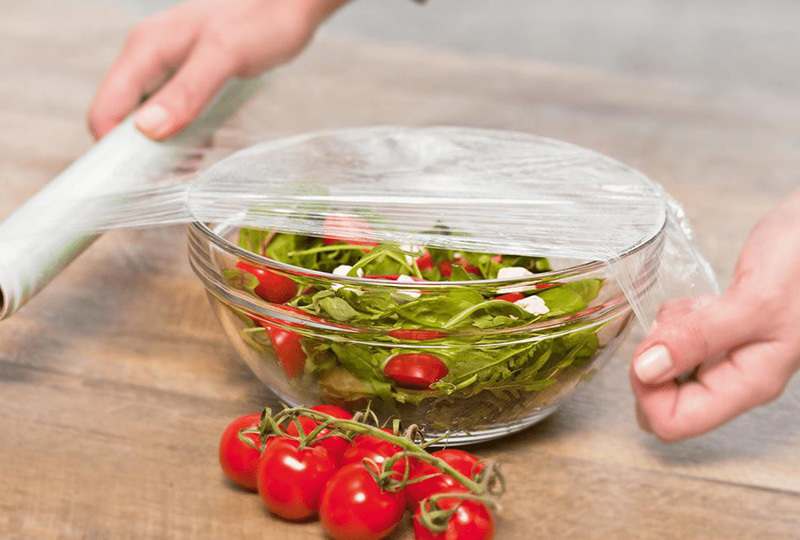
What are the characteristics of PVC fresh-keeping film for food preservation

Can PVC plastic wrap be heated in a microwave oven?
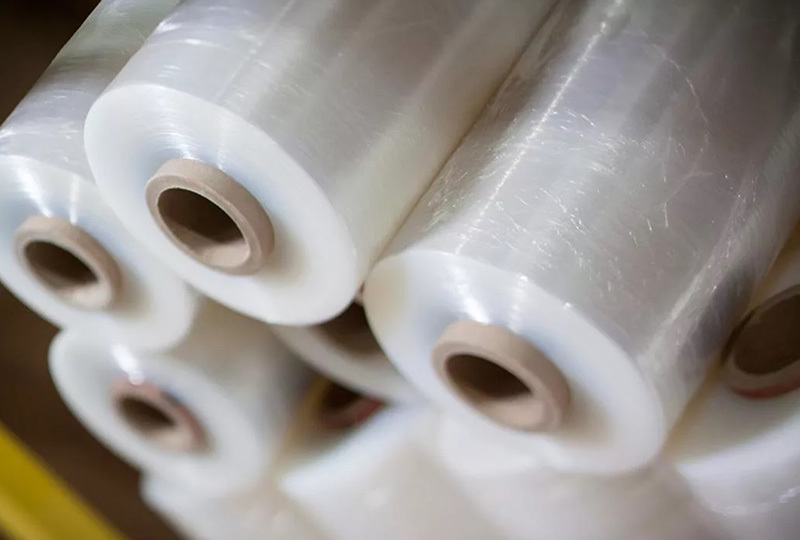
What is the difference between PVC cling film and PE cling film
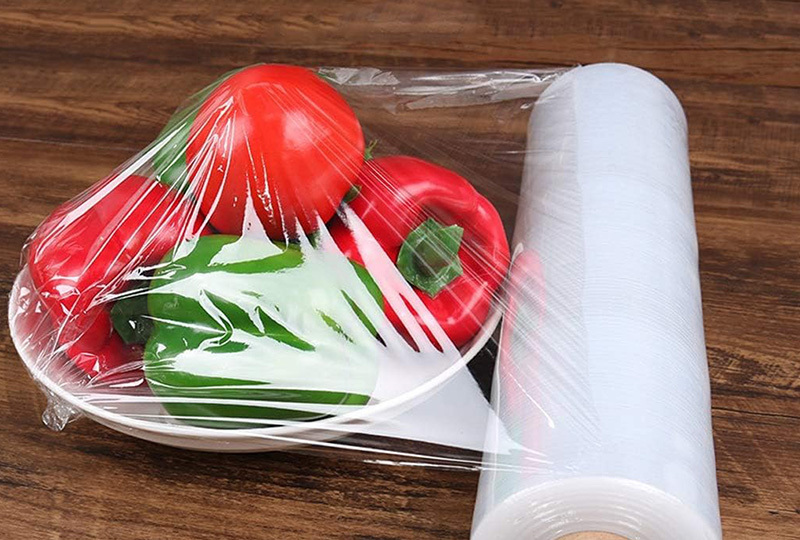
The choice of PVC cling film need to pay attention to what

Professional Cling Film Manufacturer
Address: No.3 Jiefang road (east) Cangzhou Economy Development Zone, Cangzhou City, Hebei province, China.
Please leave your email, we will contact you as soon as possible, thank you!