

How an Industrial Cling Film Exporter Can Enhance Your Kitchen Supplies
Release time:
Sep 14,2025
How an Industrial Cling Film Exporter Can Enhance Your Kitchen Supplies Table of Contents Introduction to Industrial Cling Film The Importance of Cling Film in Modern Kitchens The Role of Industrial Cling Film Exporters Quality Assurance: What to Look For Benefits of Using High-Quality Cling Film Sustainability Practices in Cling Film Production Exper
How an Industrial Cling Film Exporter Can Enhance Your Kitchen Supplies
Table of Contents
- Introduction to Industrial Cling Film
- The Importance of Cling Film in Modern Kitchens
- The Role of Industrial Cling Film Exporters
- Quality Assurance: What to Look For
- Benefits of Using High-Quality Cling Film
- Sustainability Practices in Cling Film Production
- Expert Tips for Using Cling Film Effectively
- Conclusion
- Frequently Asked Questions
Introduction to Industrial Cling Film
In today's fast-paced culinary world, effective food preservation is key to maintaining freshness and reducing waste. Industrial cling film, also known as plastic wrap, serves as an indispensable tool in both home kitchens and commercial food establishments. This versatile kitchen supply is designed to create a tight seal around food items, ensuring they remain fresh for extended periods. But how does an industrial cling film exporter contribute to enhancing your kitchen supplies?
The Importance of Cling Film in Modern Kitchens
Cling film plays a crucial role in food safety and quality. It acts as a barrier against air, moisture, and contaminants, which can compromise the integrity of your food. Here are some key reasons why cling film is vital:
1. Preservation of Freshness
By tightly wrapping fruits, vegetables, and leftovers, cling film helps maintain their freshness, flavor, and nutrients. This is particularly important in preventing spoilage and ensuring that your food remains safe for consumption.
2. Convenience and Efficiency
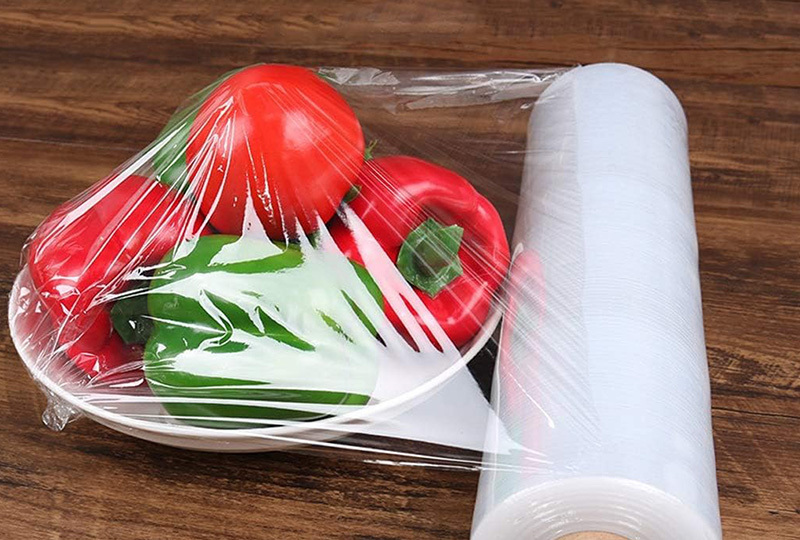
Using cling film allows for easy packaging and storage, making meal prep more efficient. Its ability to stretch and conform to various shapes ensures that no food goes to waste. This convenience is invaluable for busy households and professional kitchens alike.
3. Versatile Applications
Beyond food preservation, cling film has a myriad of uses, from covering bowls and plates to wrapping sandwiches for on-the-go meals. Its versatility makes it an essential part of any culinary toolkit.
The Role of Industrial Cling Film Exporters
Industrial cling film exporters serve as the bridge between manufacturers and consumers, ensuring the availability of high-quality cling film in various markets. They play a pivotal role in the supply chain by:
1. Ensuring Quality Control
Exporters often have stringent quality control measures in place. They work closely with manufacturers to guarantee that the products meet international standards for safety and performance. This commitment to quality ensures that you receive cling film that performs optimally in your kitchen.
2. Providing Diverse Options
With the growing demand for specialized cling film, such as biodegradable or UV-resistant variants, exporters offer a range of options to suit different culinary needs. This diversity empowers consumers to choose the best product for their specific requirements.
3. Facilitating Global Trade
Exporters streamline the logistics of transporting cling film across borders, ensuring that high-quality products are accessible to consumers worldwide. This global reach helps local businesses and kitchens access products that may not be available domestically.
Quality Assurance: What to Look For
When sourcing cling film from exporters, it is essential to understand what constitutes quality. Here are a few critical aspects to consider:
1. Material Composition
High-quality cling film is typically made from polyethylene or PVC. Look for products that are labeled as food-safe and BPA-free to ensure they are safe for wrapping food items.
2. Thickness and Stretchability
The thickness of cling film affects its durability and ease of use. A good cling film should stretch well without tearing easily, providing a secure seal around food items.
3. Adhesive Properties
A strong adhesive quality is crucial for cling film to stick properly to itself and various surfaces, ensuring that it effectively seals in freshness.
Benefits of Using High-Quality Cling Film
Investing in high-quality cling film can yield numerous advantages that enhance your kitchen experience:
1. Extended Shelf Life
Using premium cling film can significantly prolong the shelf life of your food, reducing waste and saving you money in the long run.
2. Enhanced Food Safety
High-quality cling film provides a robust barrier against bacteria and other contaminants, ensuring that your food remains safe for consumption.
3. Improved Meal Prep
Cling film simplifies meal prep by allowing easy storage of prepped ingredients, making it easier to whip up meals quickly on busy days.
Sustainability Practices in Cling Film Production
As environmental concerns grow, the cling film industry is adapting to meet sustainability goals. Many industrial cling film exporters are now focusing on eco-friendly practices:
1. Biodegradable Options
Some exporters are now offering biodegradable cling films made from plant-based materials, providing an environmentally friendly alternative to traditional plastic wraps.
2. Recycling Initiatives
Leading exporters advocate for recycling programs, encouraging consumers to dispose of cling film responsibly and reduce plastic waste.
3. Reduced Carbon Footprint
By optimizing production processes and sourcing materials sustainably, exporters can significantly reduce the carbon footprint associated with cling film manufacturing.
Expert Tips for Using Cling Film Effectively
To maximize the benefits of cling film in your kitchen, consider the following expert tips:
1. Use for Freezing
When freezing food, wrap items tightly with cling film to prevent freezer burn and extend their usability. Ensure all air is removed before sealing.
2. Cover Bowls and Dishes
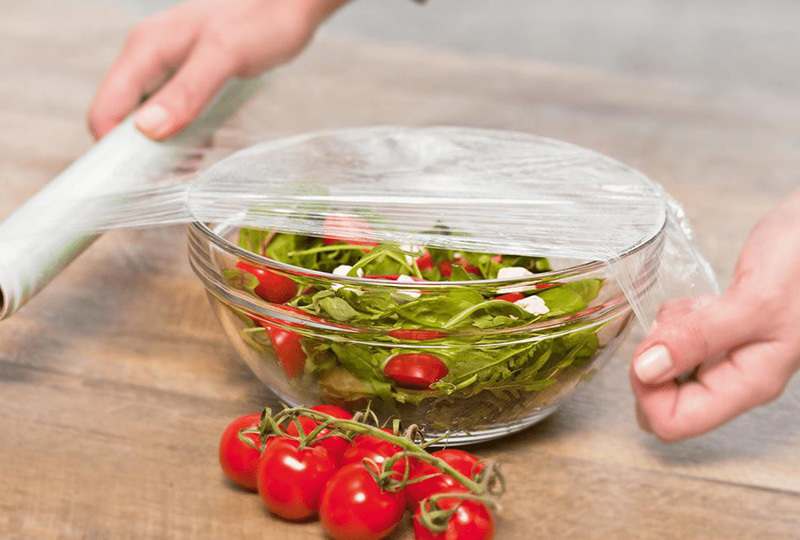
Instead of using lids, cover bowls and dishes with cling film to keep food fresh. This method allows you to see the contents easily.
3. Avoid Overheating
Never use cling film in the microwave unless specified by the manufacturer, as high temperatures can cause harmful chemicals to leach into food.
Conclusion
In conclusion, the role of industrial cling film exporters is pivotal in enhancing your kitchen supplies. By providing high-quality cling film, they help ensure food freshness, safety, and convenience. Embracing quality cling film not only optimizes your culinary experiences but also contributes to waste reduction and sustainability. Whether you're a home cook or a professional chef, investing in superior cling film is a decision that will pay dividends in kitchen efficiency and food quality.
Frequently Asked Questions
1. What is cling film made of?
Cling film is typically made from polyethylene or PVC, designed to create a tight seal around food items.
2. Is cling film safe for food storage?
Yes, as long as you choose food-safe and BPA-free options, cling film is safe for wrapping food.
3. Can I use cling film in the microwave?
Only use cling film in the microwave if the manufacturer specifies it is microwave-safe.
4. How can I reduce cling film waste?
Consider using biodegradable cling film options or invest in reusable food storage solutions to minimize plastic waste.
5. What are the benefits of using high-quality cling film?
High-quality cling film offers better durability, enhanced food safety, and extended food freshness, making it a valuable tool in the kitchen.
Related News
What are the characteristics of PVC fresh-keeping film for food preservation

Can PVC plastic wrap be heated in a microwave oven?
What is the difference between PVC cling film and PE cling film
The choice of PVC cling film need to pay attention to what

Professional Cling Film Manufacturer
Address: No.3 Jiefang road (east) Cangzhou Economy Development Zone, Cangzhou City, Hebei province, China.
Please leave your email, we will contact you as soon as possible, thank you!