

Industrial Cling Film: The Kitchen Tool You Didn’t Know You Needed
Release time:
Oct 30,2024
Industrial Cling Film: The Kitchen Tool You Didn’t Know You Needed Table of Contents What Is Industrial Cling Film? History and Evolution of Cling Film Benefits of Using Industrial Cling Film Key Differences Between Industrial and Regular Cling Film How to Use Industrial Cling Film Effectively Common Misconceptions About Cling Film Sustainability and Environmental Impact Frequentl
Industrial Cling Film: The Kitchen Tool You Didn’t Know You Needed
Table of Contents
- What Is Industrial Cling Film?
- History and Evolution of Cling Film
- Benefits of Using Industrial Cling Film
- Key Differences Between Industrial and Regular Cling Film
- How to Use Industrial Cling Film Effectively
- Common Misconceptions About Cling Film
- Sustainability and Environmental Impact
- Frequently Asked Questions
- Conclusion
What Is Industrial Cling Film?
Industrial cling film, often referred to as stretch film or plastic wrap, is a versatile and essential tool in both commercial kitchens and households. It’s made from polyethylene, a type of plastic that provides excellent elasticity and cling properties. Unlike regular cling film, industrial cling film is designed for heavy-duty applications, making it a staple in restaurants, catering services, and even in home kitchens.
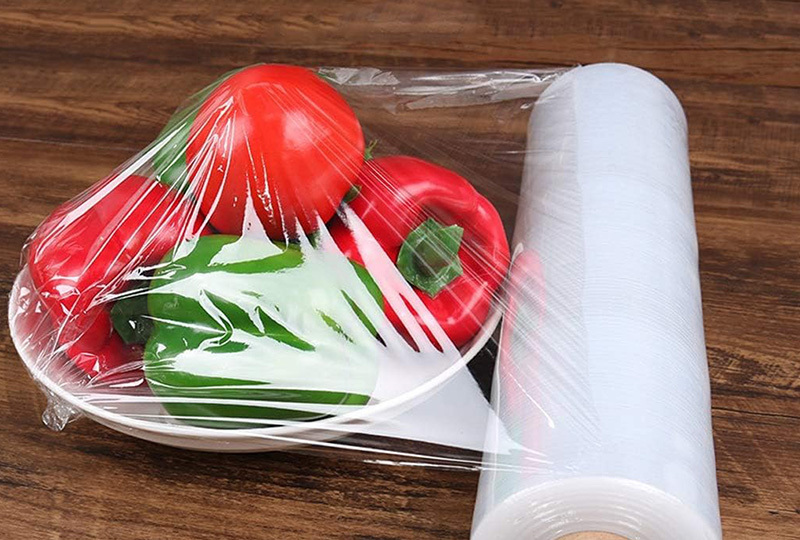
Its primary function is to wrap and seal food items to maintain freshness, prevent contamination, and reduce spoilage. The film adheres to itself, creating a secure barrier around the food, which is crucial for preserving its quality over time.
History and Evolution of Cling Film
The journey of cling film began in the late 1930s, when scientists were exploring ways to create protective coverings for food. Originally, food was wrapped in wax paper or aluminum foil, which had limitations in terms of sealing and freshness. The invention of cling film revolutionized food storage.
In the 1960s, the commercialization of cling film took off, as consumers began to recognize its benefits. Manufacturers developed stronger, more clingy versions of the film, making it more effective at sealing and preserving food. Today, industrial cling film has evolved with advanced technology, allowing for enhanced durability, stretchability, and even eco-friendly options.
Benefits of Using Industrial Cling Film
Using industrial cling film in the kitchen offers numerous advantages:
1. Exceptional Freshness Preservation
One of the most significant benefits of industrial cling film is its ability to preserve the freshness of food items. By tightly wrapping fruits, vegetables, meats, and leftovers, the film prevents air exposure, which can lead to oxidation and spoilage. This helps keep the food flavorful and nutritious for a longer period.
2. Versatile Application
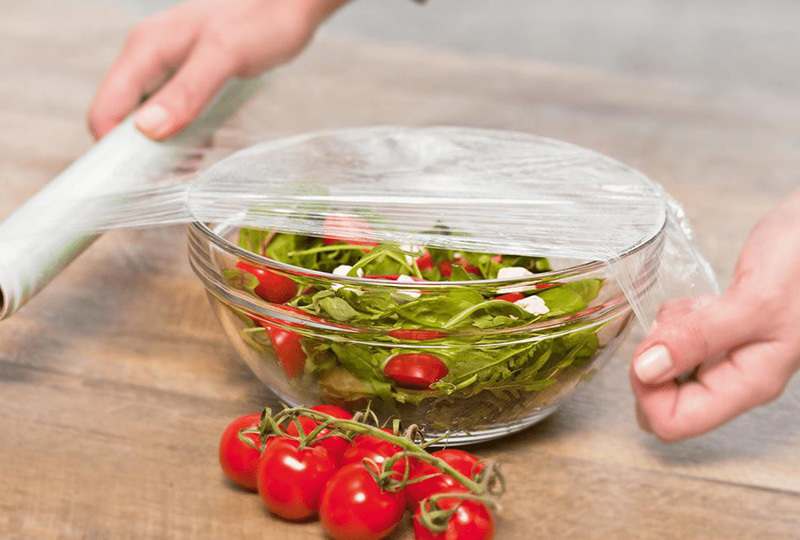
Industrial cling film can be used for various purposes beyond food storage. It can wrap sandwiches, cover bowls, and even be used in baking to create a steam effect for certain dishes. Its versatility makes it a must-have in any kitchen.
3. Cost-Effective Solution
Buying industrial cling film in bulk can be a cost-effective solution for both home cooks and professional chefs. Its durability means that less film is needed compared to regular plastic wrap, leading to savings over time.
4. Enhanced Hygiene and Safety
Wrapping food in cling film adds a layer of protection against contaminants, dust, and pests. This is especially important in commercial kitchens where hygiene standards are paramount.
Key Differences Between Industrial and Regular Cling Film
While both industrial and regular cling films serve similar purposes, several key differences set them apart:
1. Thickness and Durability
Industrial cling film is generally thicker and more durable than regular cling film. This makes it suitable for heavy-duty applications, such as wrapping large cuts of meat or bulk food items.
2. Cling Properties
Industrial cling film has superior cling properties, allowing it to adhere more effectively to itself and various surfaces. This ensures a tighter seal, which is crucial for maintaining freshness.
3. Size Options
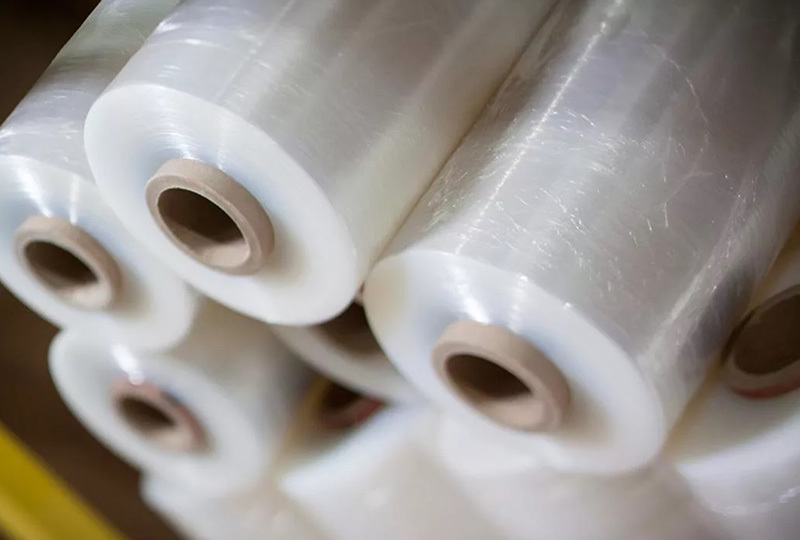
Industrial cling film typically comes in larger rolls or dispensers, making it ideal for commercial use where larger quantities of food need to be wrapped at once.
4. Cost Variability
While regular cling film is more affordable for everyday home use, industrial cling film can be a better investment for businesses that require larger quantities and more durability.
How to Use Industrial Cling Film Effectively
To maximize the benefits of industrial cling film, consider the following tips:
1. Ensure Clean Surfaces
Before wrapping food, ensure that both the food item and the surface of the cling film are clean and dry. This helps the film adhere better and prevents contamination.
2. Cut the Right Size
Measure the amount of cling film needed based on the size of the food item. It's better to cut a bit more than to run short, as overlapping can help create a better seal.
3. Apply Tension
When wrapping the food, stretch the cling film slightly to activate its cling properties. This will help it conform to the shape of the item and create a tight seal.
4. Seal the Edges
Ensure that the edges of the cling film are sealed well to prevent air from entering. This is crucial for maintaining freshness and preventing spoilage.
Common Misconceptions About Cling Film
Despite its popularity, several misconceptions about cling film persist:
1. Cling Film Is Not Safe for Food
Many people worry about the safety of cling film for food. However, most cling films are made from food-safe materials and are approved for use with food items. Always check the packaging for safety certifications.
2. Cling Film Is Only for Leftovers
While cling film is excellent for storing leftovers, its uses extend far beyond that. It can be used for meal prep, covering dishes during cooking, and even wrapping items for freezing.
3. All Cling Film Is the Same
Not all cling films are created equal. Industrial cling film is designed for more robust applications and offers better cling and durability compared to regular film.
Sustainability and Environmental Impact
As awareness of environmental issues grows, the sustainability of cling film remains a topic of discussion. Many manufacturers are developing biodegradable and recyclable cling films to mitigate environmental impact. When using cling film, consider these points:
1. Choose Eco-Friendly Options
Look for cling films that are made from biodegradable materials. This reduces the amount of plastic waste that ends up in landfills and oceans.
2. Recycle When Possible
Some cling films can be recycled, but it’s essential to check local recycling guidelines. Always dispose of cling film responsibly to minimize environmental impact.
3. Reduce Waste
Be mindful of how much cling film you use. By wrapping food efficiently and utilizing reusable containers when appropriate, you can help reduce waste.
Frequently Asked Questions
1. Can I use industrial cling film in the microwave?
Yes, many industrial cling films are microwave-safe. However, check the manufacturer's instructions to ensure it can withstand heat without melting or releasing harmful substances.
2. How long can food be stored with cling film?
The storage duration depends on the type of food and storage conditions. Properly wrapped items can last several days, but always check for spoilage.
3. Is it safe to wrap raw meat in cling film?
Yes, cling film is safe for wrapping raw meat, as it helps contain juices and prevents cross-contamination. Ensure proper hygiene practices are followed.
4. Can cling film be used for freezing food?
Absolutely! Cling film is great for wrapping food for freezing, but make sure to seal it tightly to prevent freezer burn.
5. What is the best way to store cling film?
Store cling film in a cool, dry place away from direct sunlight to maintain its quality. A dispenser can also make it easier to cut and use.
Conclusion
Industrial cling film is a versatile and essential tool in any kitchen, whether for home cooking or professional culinary settings. With its ability to preserve freshness, enhance hygiene, and offer cost-effective solutions, it’s clear that this kitchen tool is invaluable. By understanding its benefits, appropriate uses, and sustainable options, you can make the most out of industrial cling film and elevate your food storage practices. Embrace this powerful kitchen ally, and you’ll soon realize it’s the secret ingredient you didn’t know you needed!
Related News
What are the characteristics of PVC fresh-keeping film for food preservation

Can PVC plastic wrap be heated in a microwave oven?
What is the difference between PVC cling film and PE cling film
The choice of PVC cling film need to pay attention to what

Professional Cling Film Manufacturer
Address: No.3 Jiefang road (east) Cangzhou Economy Development Zone, Cangzhou City, Hebei province, China.
Please leave your email, we will contact you as soon as possible, thank you!