

Keeping Your Food Fresh: The Comprehensive Benefits of Bio-Based Cling Film
Release time:
Nov 03,2024
Keeping Your Food Fresh: The Comprehensive Benefits of Bio-Based Cling Film Table of Contents Introduction to Bio-Based Cling Film What is Bio-Based Cling Film? Advantages of Bio-Based Cling Film Over Conventional Options How Bio-Based Cling Film Works to Preserve Freshness The Environmental Impact of Using Bio-Based Cling Film Practical Tips for Using Bio-Based Cling Film
Keeping Your Food Fresh: The Comprehensive Benefits of Bio-Based Cling Film
Table of Contents
- Introduction to Bio-Based Cling Film
- What is Bio-Based Cling Film?
- Advantages of Bio-Based Cling Film Over Conventional Options
- How Bio-Based Cling Film Works to Preserve Freshness
- The Environmental Impact of Using Bio-Based Cling Film
- Practical Tips for Using Bio-Based Cling Film in Your Kitchen
- Frequently Asked Questions
- Conclusion
Introduction to Bio-Based Cling Film
As we move towards a more sustainable future, the choices we make in our daily lives play a crucial role in shaping our environment. One such choice is the type of food storage products we use. Traditional cling films, often made from plastic, pose significant environmental challenges. In contrast, **bio-based cling film** emerges as a game-changer, offering a sustainable alternative that effectively keeps your food fresh while being kinder to our planet. This article delves into the numerous benefits of bio-based cling film, illustrating why it should be a staple in every kitchen.
What is Bio-Based Cling Film?
Bio-based cling film is a type of food wrapping material made from renewable resources. Unlike conventional cling films, which are primarily derived from petrochemicals, bio-based options utilize materials such as cornstarch, sugarcane, or other plant-derived substances. This innovative approach not only reduces reliance on fossil fuels but also results in a product that is biodegradable and compostable.
Key Characteristics of Bio-Based Cling Film
1. **Renewable Resources**: Sourced from plants, making it a sustainable alternative.
2. **Biodegradable**: Breaks down naturally in the environment, reducing landfill waste.
3. **Compostable**: Can be added to compost bins, contributing to nutrient-rich soil.
4. **Food Safety**: Often free from harmful chemicals found in traditional plastics.
Advantages of Bio-Based Cling Film Over Conventional Options
Switching to bio-based cling film comes with several notable advantages:
1. Environmental Benefits
By choosing bio-based cling film, you contribute to reducing plastic waste. Traditional plastic films can take hundreds of years to decompose, whereas bio-based options can decompose within months under the right conditions.
2. Safety and Health
Many bio-based cling films are free from BPA and other toxic chemicals often present in conventional plastics. This makes them safer for storing food, particularly for those concerned about chemical leaching.
3. Versatility in Use
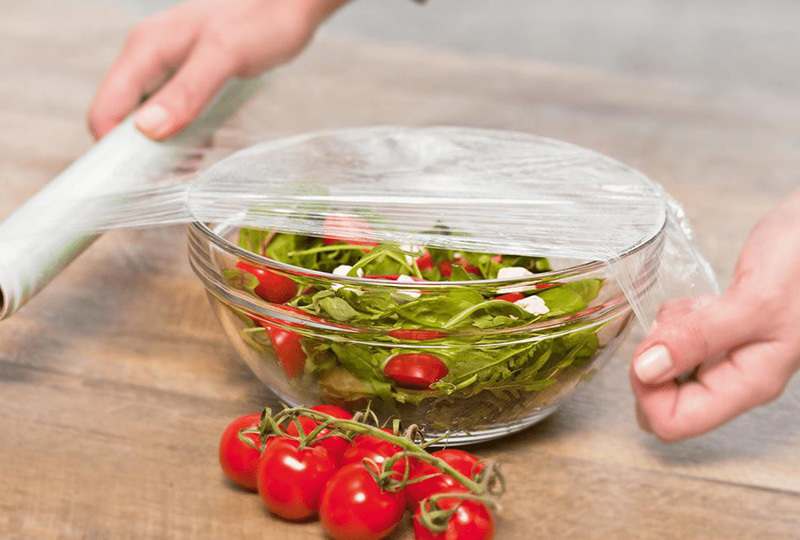
Bio-based cling film is just as versatile as traditional options. It can be used for wrapping sandwiches, covering bowls, or storing leftovers, making it an essential kitchen tool.
4. Improved Freshness
Thanks to their unique properties, bio-based cling films can provide an effective barrier against moisture and air, helping to maintain the freshness of your food for longer periods.
How Bio-Based Cling Film Works to Preserve Freshness
Understanding how bio-based cling film works is crucial for maximizing its benefits. These films incorporate innovative materials designed to create a protective layer around food.
1. Moisture Retention
One of the primary functions of cling film is to prevent moisture loss. Bio-based cling films excel in this area, helping to keep fruits and vegetables crisp while preventing them from drying out.
2. Oxygen Barrier
By limiting the exposure of food to oxygen, bio-based cling films help slow down oxidation, which can lead to spoilage. This is particularly beneficial for items like avocados and cut fruits.
3. Temperature Regulation
Bio-based cling films can also help maintain temperature, making them ideal for wrapping perishables that need to be refrigerated or frozen.
The Environmental Impact of Using Bio-Based Cling Film
Opting for bio-based cling film significantly impacts the environment in various ways:
1. Reduction of Fossil Fuel Dependence
By utilizing renewable resources, bio-based cling films reduce our dependence on fossil fuels, a significant contributor to climate change.
2. Lower Carbon Footprint
The production of bio-based materials typically results in lower greenhouse gas emissions compared to traditional plastic manufacturing processes.
3. Support for Sustainable Agriculture
Many bio-based cling films are derived from agricultural products, promoting sustainable farming practices.
Practical Tips for Using Bio-Based Cling Film in Your Kitchen
To make the most of your bio-based cling film, consider the following tips:
1. Proper Storage
Store your bio-based cling film in a cool, dry place to maintain its pliability and effectiveness.
2. Use for a Variety of Foods
Don’t limit your use to just leftovers. Use bio-based cling film for wrapping sandwiches, covering bowls, and storing chopped produce.
3. Avoid Excessive Heat
While bio-based cling films are durable, avoid using them in the microwave or near direct heat sources.
4. Composting
After use, check if your bio-based cling film is compostable. Many brands offer compostable options that can enrich your garden soil.
Frequently Asked Questions
1. Is bio-based cling film safe for food storage?
Yes, bio-based cling film is generally considered safe for food storage. Many options are free from harmful chemicals found in traditional plastics.
2. How long does bio-based cling film last?
The shelf life varies by brand and material, but it can last several months when stored properly.
3. Can I use bio-based cling film in the microwave?
Most bio-based cling films are not designed for microwave use. Always check the packaging for specific instructions.
4. Is bio-based cling film recyclable?
It depends on the local recycling facilities. Many bio-based cling films are compostable rather than recyclable.
5. Where can I purchase bio-based cling film?
Bio-based cling films are available in many grocery stores and online retailers, often in the eco-friendly section.
Conclusion
The transition to bio-based cling film marks a significant step towards a more sustainable lifestyle. By embracing this innovative food storage solution, we not only enhance the freshness of our food but also play an active role in protecting our environment. As consumers, our choices can influence the market towards greener alternatives, promoting a healthier planet for future generations. Investing in bio-based cling film is not just a personal choice—it's a commitment to sustainability.
Related News
What are the characteristics of PVC fresh-keeping film for food preservation

Can PVC plastic wrap be heated in a microwave oven?
What is the difference between PVC cling film and PE cling film
The choice of PVC cling film need to pay attention to what

Professional Cling Film Manufacturer
Address: No.3 Jiefang road (east) Cangzhou Economy Development Zone, Cangzhou City, Hebei province, China.
Please leave your email, we will contact you as soon as possible, thank you!