

PVC Cling Film: A Key Player in Sustainable Food Storage Solutions
Release time:
Oct 26,2024
PVC Cling Film: A Key Player in Sustainable Food Storage Solutions Table of Contents What is PVC Cling Film? Benefits of PVC Cling Film in Food Storage The Sustainability Aspect of PVC Cling Film How to Use PVC Cling Film Effectively Alternatives to PVC Cling Film: A Comparative Analysis Recycling and Disposal of PVC Cling Film Common Misconceptions About PVC Cling Fil
PVC Cling Film: A Key Player in Sustainable Food Storage Solutions
Table of Contents
- What is PVC Cling Film?
- Benefits of PVC Cling Film in Food Storage
- The Sustainability Aspect of PVC Cling Film
- How to Use PVC Cling Film Effectively
- Alternatives to PVC Cling Film: A Comparative Analysis
- Recycling and Disposal of PVC Cling Film
- Common Misconceptions About PVC Cling Film
- The Future of Sustainable Food Storage Solutions
- FAQs
What is PVC Cling Film?
PVC cling film, commonly recognized as plastic wrap or food wrap, is a thin, flexible film made from polyvinyl chloride (PVC). It is designed to cling tightly to various surfaces, providing a secure seal that helps keep food fresh. This transparent film is particularly popular for wrapping leftovers, covering dishes, and storing produce. Its ability to create an airtight barrier has made it a staple in households and professional kitchens worldwide.
Benefits of PVC Cling Film in Food Storage
1. Exceptional Freshness Preservation
PVC cling film is unmatched in its ability to seal in freshness. By creating an airtight environment, it helps prevent moisture loss and the entry of air, which can lead to spoilage. This is particularly beneficial for fruits, vegetables, and cooked dishes. 2. Convenient and Versatile
This cling film is incredibly easy to use. It can be cut to size and wrapped around various food items or containers, making it suitable for a wide range of storage needs. Whether you are wrapping a sandwich for lunch or covering a bowl of leftovers, PVC cling film is versatile enough to handle it all.3. Cost-Effective Solution
When compared to other food storage solutions, PVC cling film is an affordable option. Its durability means that a single roll can last for an extended period, saving money in the long run.4. Microwavable and Freezer Safe
PVC cling film can be used safely in the microwave and freezer, providing flexibility in food preparation and storage. It allows food to be reheated without transferring flavors or odors, maintaining the integrity of the meal.5. Reduces Food Waste
By keeping food fresh longer, PVC cling film significantly helps reduce food waste. Properly wrapped food can last several days longer than if left uncovered, promoting sustainable habits in the kitchen.The Sustainability Aspect of PVC Cling Film
While the environmental impact of plastic is a crucial discussion, PVC cling film has made strides in becoming a more sustainable option for food storage. Here are some key sustainability points to consider:1. Recyclability
Many PVC cling films are recyclable. However, it is essential to check local recycling guidelines, as not all facilities accept PVC materials. This allows consumers to contribute to a circular economy by reducing landfill contributions.2. Efficient Production
The production process for PVC cling film has improved significantly, with many manufacturers adopting eco-friendly practices. By using less energy and reducing emissions during production, these companies are taking steps towards sustainability.3. Longevity and Reusability
PVC cling film can be reused for various food storage applications, further extending its life cycle. This reusability aspect helps to mitigate the overall environmental footprint associated with single-use plastics.4. Educational Initiatives
Many companies are now focusing on educating consumers about the responsible use and disposal of PVC cling film, promoting better practices that align with sustainable living.How to Use PVC Cling Film Effectively
To maximize the benefits of PVC cling film, proper usage techniques are essential. Here are some tips to ensure effective storage:1. Clean and Dry Surfaces
Always ensure that the surface being wrapped is clean and dry. This helps the cling film adhere better and provides a more effective seal.2. Proper Wrapping Technique
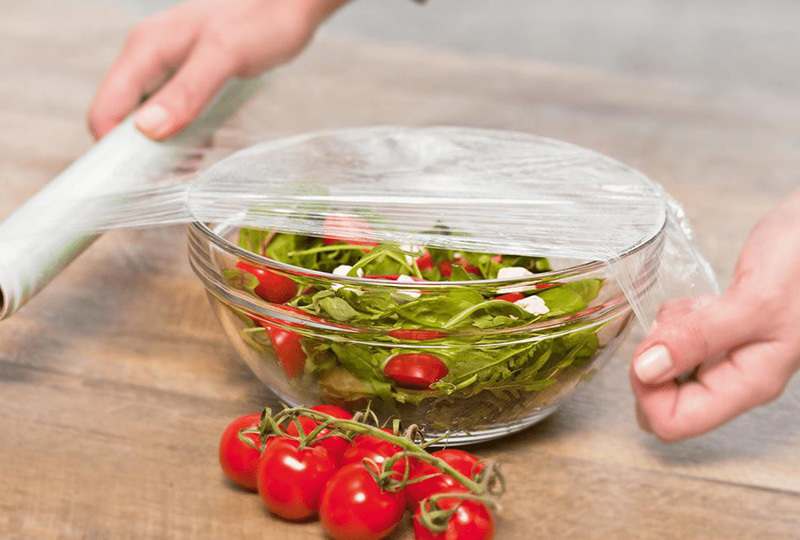
When wrapping food items, start by placing the cling film over the item and pull it tightly. Smooth out any air bubbles to create a snug fit, which enhances preservation.3. Store in a Cool, Dry Place
For optimal results, store wrapped food in a cool, dry location. This not only extends freshness but also minimizes the risk of excess moisture accumulation, which can lead to spoilage.4. Labeling for Organization
Consider labeling wrapped items with the date they were stored. This helps you track freshness and manage your food inventory effectively.Alternatives to PVC Cling Film: A Comparative Analysis
While PVC cling film is a popular choice, there are several alternatives available on the market. Here, we explore some of them:1. Beeswax Wraps
These eco-friendly wraps are made from organic cotton infused with beeswax. They are reusable, biodegradable, and an excellent choice for wrapping food without plastic. However, they may not be as effective as PVC cling film in creating an airtight seal.2. Silicone Food Covers
Silicone food covers can fit over various dish sizes and shapes. They are dishwasher safe and reusable, making them a durable option. However, they may not conform as closely to the food as cling film.3. Glass Containers
Using glass storage containers with airtight lids is a great alternative for those looking to eliminate plastic entirely. While they are durable and reusable, they require more storage space and may not be as convenient for travel.4. Aluminum Foil
Aluminum foil is often used to wrap food, and while it's recyclable, it does not provide the same level of freshness preservation as PVC cling film. Additionally, it is not reusable.Recycling and Disposal of PVC Cling Film
Understanding how to properly dispose of or recycle PVC cling film contributes to its sustainability. 1. Check Local Recycling Guidelines
Before recycling, it’s critical to check your local recycling guidelines. While some areas accept PVC cling film, others may not, and improper disposal can lead to contamination of recycling streams.2. Clean Before Recycling
If your local facility allows PVC cling film in recycling, ensure it is clean and free from food residue before disposal. This increases the chances of it being properly processed.3. Composting Considerations
PVC cling film is not compostable. Proper disposal in trash bins is essential if recycling is not an option.Common Misconceptions About PVC Cling Film
There are several misconceptions surrounding PVC cling film that can influence consumer choices:1. All Plastic Wraps Are the Same
Many people believe all plastic wraps are identical, but different materials, like PVC and polyethylene, have varying properties and uses. Understanding these differences can help consumers make informed decisions.2. PVC Cling Film Is Harmful
While concerns about plastic and food safety exist, PVC cling film is generally considered safe for food storage when used as directed. Manufacturers comply with regulations to ensure consumer safety.3. It's Not Eco-Friendly
While PVC cling film has faced criticism, it is crucial to consider its recyclability and the improvements in manufacturing processes. Many brands are now producing more environmentally conscious products.The Future of Sustainable Food Storage Solutions
As awareness of environmental issues grows, the future of food storage solutions is looking towards sustainability. 1. Innovative Materials
Research is ongoing into alternative materials that offer similar benefits to PVC cling film but with a reduced environmental impact. Innovations like plant-based plastics may soon provide viable options.2. Consumer Education
Educating consumers about the proper use and disposal of food storage products is vital for fostering sustainable habits. This knowledge can empower individuals to make more environmentally friendly choices.3. Collaborative Efforts
The collaboration between manufacturers, consumers, and environmental organizations will be crucial in driving the development of sustainable food storage solutions. Together, they can explore new technologies and practices to reduce plastic waste.FAQs
1. Is PVC cling film safe for food storage?
Yes, PVC cling film is generally considered safe for food storage when used according to manufacturer's instructions.2. Can I microwave food wrapped in PVC cling film?
Yes, many PVC cling films are microwave-safe. However, ensure that the film does not come into direct contact with the food, as it may melt.3. How long can I keep food wrapped in PVC cling film?
Food wrapped in PVC cling film can last longer than uncovered food. However, it’s essential to monitor for freshness and check for spoilage.4. What should I do with used PVC cling film?
Check local recycling guidelines, as some areas accept PVC cling film. If recycling is not an option, dispose of it in the trash.5. Are there any health risks associated with PVC cling film?
When used correctly, there are no significant health risks associated with PVC cling film. Ensure it is food-safe and manufactured according to regulations.Conclusion
PVC cling film continues to play a vital role in sustainable food storage solutions. Its ability to preserve freshness, reduce waste, and adapt to various storage needs makes it an essential tool in modern kitchens. As we move towards a more sustainable future, embracing the benefits of PVC cling film while promoting responsible usage and disposal practices can contribute significantly to eco-friendly living. With ongoing innovations and awareness, we can ensure that this key player remains an effective component of our food storage strategies.
Related News
What are the characteristics of PVC fresh-keeping film for food preservation

Can PVC plastic wrap be heated in a microwave oven?
What is the difference between PVC cling film and PE cling film
The choice of PVC cling film need to pay attention to what

Professional Cling Film Manufacturer
Address: No.3 Jiefang road (east) Cangzhou Economy Development Zone, Cangzhou City, Hebei province, China.
Please leave your email, we will contact you as soon as possible, thank you!