

The Evolution of PVC Cling Film: From Kitchen Novelty to Essential
Release time:
Dec 15,2024
The Evolution of PVC Cling Film: From Kitchen Novelty to Essential Table of Contents 1. The History of PVC Cling Film 2. How PVC Cling Film is Made 3. Versatile Uses of PVC Cling Film in the Kitchen 4. The Benefits of Using PVC Cling Film 5. Environmental Impact of PVC Cling Film 6. Alternatives to PVC Cling Film 7. The Future of PVC Cling Film 8. FAQs about PVC Cl
The Evolution of PVC Cling Film: From Kitchen Novelty to Essential
Table of Contents
- 1. The History of PVC Cling Film
- 2. How PVC Cling Film is Made
- 3. Versatile Uses of PVC Cling Film in the Kitchen
- 4. The Benefits of Using PVC Cling Film
- 5. Environmental Impact of PVC Cling Film
- 6. Alternatives to PVC Cling Film
- 7. The Future of PVC Cling Film
- 8. FAQs about PVC Cling Film
1. The History of PVC Cling Film
The journey of PVC cling film began in the 1950s when a group of innovative chemists discovered the potential of polyvinyl chloride (PVC). Initially introduced as a packaging solution for various products, it didn't take long for the food industry to recognize its utility in preserving freshness. By the 1960s, PVC cling film became a household name, often associated with convenience in food storage.
As consumer demand increased, manufacturers began refining their production techniques, enhancing the film's durability and stretchability. This evolution made cling film a preferred choice for both home cooks and professional chefs, solidifying its place in kitchens around the world.
2. How PVC Cling Film is Made
The manufacturing process of PVC cling film is a fascinating blend of chemistry and engineering. It all starts with the polymerization of vinyl chloride to form PVC resin. This resin is then mixed with additives to improve flexibility, clarity, and adhesion properties.
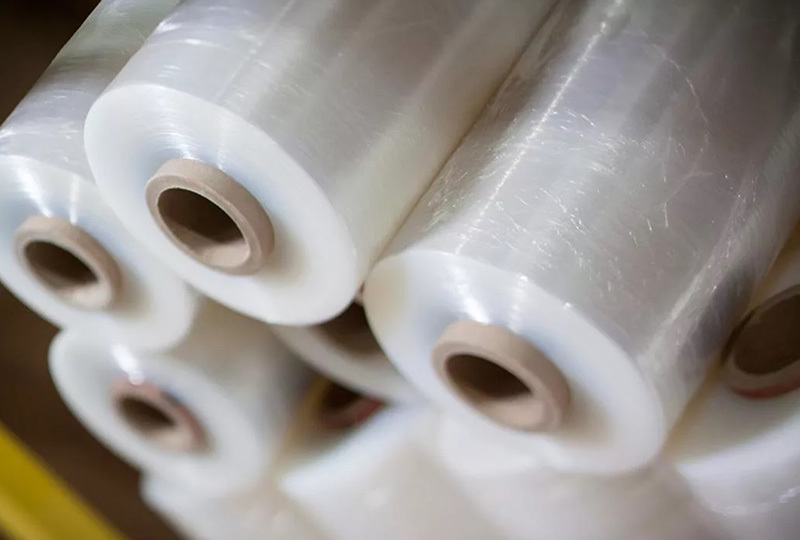
The next step involves a process called cast extrusion, where the PVC mixture is heated and melted into a thin film. Once extruded, the film is cooled and wound into rolls. Quality control measures ensure that the film meets the necessary thickness and strength specifications, making it suitable for kitchen use.
3. Versatile Uses of PVC Cling Film in the Kitchen
PVC cling film has earned its place as an essential kitchen item due to its versatility. Here are some of the primary uses:
3.1 Food Preservation
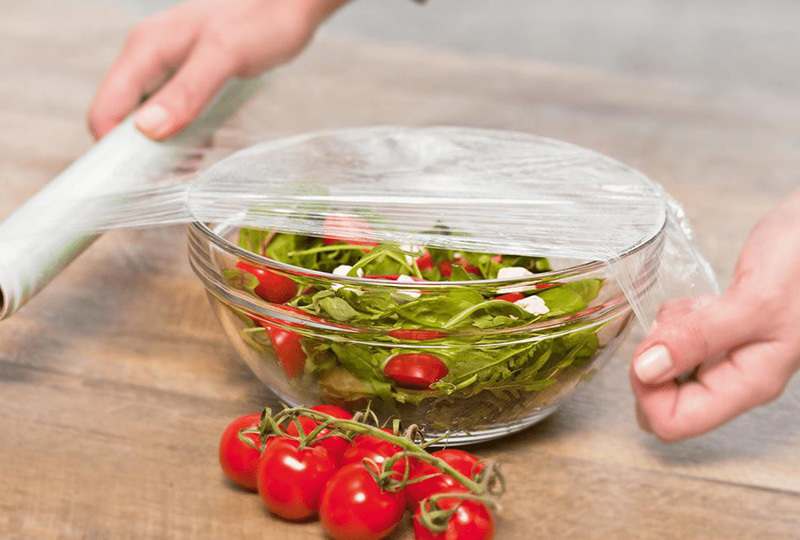
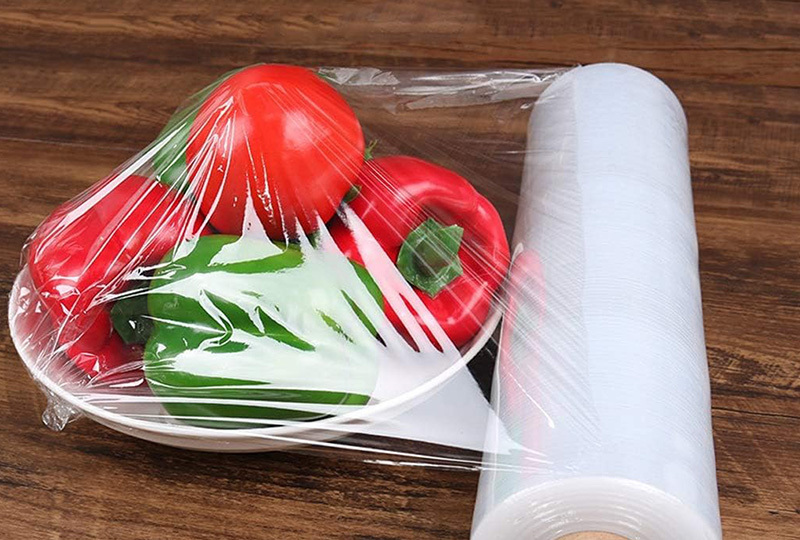
One of the most significant applications of cling film is food preservation. It creates an airtight seal that helps prevent moisture loss, spoilage, and contamination. Whether it’s covering leftovers or wrapping fresh ingredients, PVC cling film ensures that food stays fresher for longer.
3.2 Marinating and Storing Ingredients
Cooks often use cling film to wrap marinating meats or vegetables, allowing flavors to penetrate while keeping them fresh. It’s an ideal solution for storing cut fruits and vegetables, helping retain their freshness and prevent browning.
3.3 Baking and Cooking
In baking, PVC cling film is handy for covering dough during the rising process. It can also be used to line pans, making removal easier. Additionally, it serves as a barrier when cooking in the microwave, preventing splatters and maintaining moisture.
4. The Benefits of Using PVC Cling Film
There are several compelling reasons to use PVC cling film in the kitchen:
4.1 Convenience
PVC cling film is incredibly easy to use. Just tear off the desired length, stretch it over the food item or container, and press down to seal. This convenience saves time and effort, especially in busy kitchens.
4.2 Affordability
Compared to many other food storage solutions, PVC cling film is cost-effective. Its affordability allows households to stock up without straining their budgets.
4.3 Versatile Storage Options
Cling film can conform to various shapes and sizes, making it versatile for storing everything from small bowls to large platters. Its adaptability is a significant advantage in food storage.
5. Environmental Impact of PVC Cling Film
While PVC cling film offers numerous benefits, it also raises concerns regarding environmental sustainability. The production process of PVC involves the use of fossil fuels, leading to carbon emissions. Additionally, cling film is not biodegradable, contributing to plastic waste in landfills and oceans.
However, many manufacturers are exploring eco-friendly alternatives and recyclable options. It’s essential for consumers to stay informed about the environmental implications of their choices and seek sustainable alternatives when possible.
6. Alternatives to PVC Cling Film
With the rising awareness of environmental issues, several alternatives to PVC cling film have emerged:
6.1 Beeswax Wraps
Beeswax wraps are a popular eco-friendly alternative made from organic cotton coated with beeswax. They are reusable and can effectively cover food items while allowing them to breathe.
6.2 Silicone Food Covers
Silicone covers are another sustainable option. They are flexible, durable, and can be used in the microwave and dishwasher, making them a versatile choice for food storage.
6.3 Glass Containers
Investing in high-quality glass containers with airtight lids is an excellent way to reduce reliance on plastic cling film. They provide a reusable solution for food storage and are more environmentally friendly.
7. The Future of PVC Cling Film
The future of PVC cling film seems poised for change. As consumer preferences shift towards sustainability, manufacturers are exploring new materials and production methods. Innovations in biodegradable plastics and recycling technologies may lead to more eco-friendly options in the cling film market.
Moreover, continued education on responsible usage and disposal can help consumers minimize the environmental impact of cling film in their kitchens while still enjoying its benefits.
8. FAQs about PVC Cling Film
8.1 Is PVC cling film safe for food storage?
Yes, PVC cling film is generally considered safe for food storage. However, it’s essential to follow the manufacturer’s guidelines regarding heat exposure, as high temperatures can cause the release of harmful chemicals.
8.2 Can PVC cling film be recycled?
PVC cling film is typically not recyclable due to its composition. However, some local recycling programs may accept it, so it’s best to check with local waste management facilities.
8.3 How should I store PVC cling film?
Keep PVC cling film in a cool, dry place away from direct sunlight. This ensures that the film remains effective and does not degrade prematurely.
8.4 Can I use PVC cling film in the microwave?
Many PVC cling films are microwave-safe, but always check the packaging for specific instructions. Avoid direct contact with food, as high temperatures can cause the film to melt or release chemicals.
8.5 How long can I keep food wrapped in cling film?
The duration varies depending on the type of food. Generally, wrapped leftovers can be stored in the refrigerator for up to 3-4 days, while fresh produce can last longer when properly sealed.
Conclusion
The evolution of PVC cling film from a kitchen novelty to an essential tool illustrates its significant role in modern cooking and food storage. With its versatility, convenience, and affordability, cling film has solidified its position in households worldwide. However, as we face environmental challenges, it's crucial to consider the sustainability of our choices. By understanding the benefits and limitations of PVC cling film, we can make informed decisions that balance convenience with ecological responsibility. We encourage you to explore alternatives and stay informed about emerging trends, ensuring that your kitchen practices align with a sustainable future.
Related News
What are the characteristics of PVC fresh-keeping film for food preservation

Can PVC plastic wrap be heated in a microwave oven?
What is the difference between PVC cling film and PE cling film
The choice of PVC cling film need to pay attention to what

Professional Cling Film Manufacturer
Address: No.3 Jiefang road (east) Cangzhou Economy Development Zone, Cangzhou City, Hebei province, China.
Please leave your email, we will contact you as soon as possible, thank you!