

Understanding Cling Film for Effective Food Packaging
Release time:
Oct 21,2024
Cling film, also known as plastic wrap, has become a staple in kitchens around the world, particularly for its role in food packaging. This versatile material is primarily made from polyvinyl chloride (PVC) or low-density polyethylene (LDPE), which gives it the ability to stretch and cling tightly to surfaces. Its primary purpose is to create a barrier that helps preserve food by preventing exposu
Cling film, also known as plastic wrap, has become a staple in kitchens around the world, particularly for its role in food packaging. This versatile material is primarily made from polyvinyl chloride (PVC) or low-density polyethylene (LDPE), which gives it the ability to stretch and cling tightly to surfaces. Its primary purpose is to create a barrier that helps preserve food by preventing exposure to air, moisture, and contaminants.
One of the most significant benefits of cling film for packaging is its ability to extend the shelf life of food items. By wrapping fruits, vegetables, and leftovers tightly, cling film creates a seal that reduces spoilage and keeps food fresh for a longer duration. This is especially useful in households that prioritize reducing food waste. In addition to preventing spoilage, cling film can also help retain the flavor and moisture content of food, making it an excellent choice for marinating meats or storing prepared dishes.
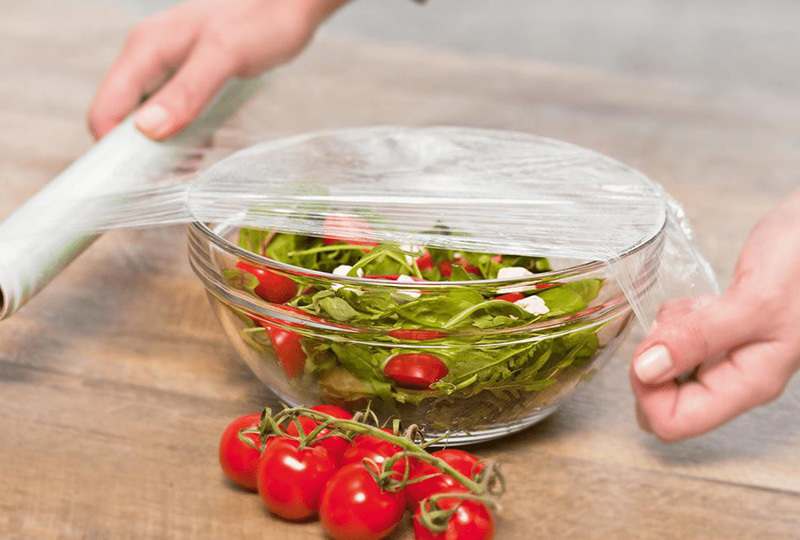
Cling film is incredibly versatile and can be used in various applications beyond just food storage. For example, it can be employed in the kitchen to cover bowls or dishes, ensuring that food remains protected and free from dust or bugs. Additionally, it's handy for wrapping sandwiches or snacks for lunch, making it a practical choice for meal prep. Beyond the kitchen, cling film can serve as a temporary protective covering for items when painting or when operating equipment, showcasing its multifunctionality.
When selecting cling film for packaging, it is essential to consider its thickness and stretchability. A thicker cling film generally provides better durability and an improved seal, which can be crucial for items that may release gases, such as ripening fruits. Stretchability is another critical factor, as a film that stretches well will conform to the shape of the food item, ensuring a tighter and more secure wrap.
It's worth noting that cling film is designed for single-use applications. While it may seem convenient to reuse cling film, doing so can introduce contaminants from previous uses and compromise food safety. For eco-conscious consumers, there are also biodegradable options available that mimic the properties of traditional cling film while being more environmentally friendly.
In summary, cling film for packaging is an invaluable tool in the kitchen, providing a simple yet effective way to keep food fresh and safe. Its wide range of applications, combined with its ability to prevent spoilage and maintain flavor, makes it a go-to choice for many households. Understanding the features and benefits of cling film will empower consumers to make informed decisions regarding food storage and preservation.
Related News
What are the characteristics of PVC fresh-keeping film for food preservation

Can PVC plastic wrap be heated in a microwave oven?
What is the difference between PVC cling film and PE cling film
The choice of PVC cling film need to pay attention to what

Professional Cling Film Manufacturer
Address: No.3 Jiefang road (east) Cangzhou Economy Development Zone, Cangzhou City, Hebei province, China.
Please leave your email, we will contact you as soon as possible, thank you!