

Understanding Degradable Cling Film: A Sustainable Kitchen Essential
Release time:
Oct 23,2024
In recent years, environmental awareness has significantly influenced the choices we make in our kitchens. One product gaining attention is degradable cling film, a versatile kitchen essential used for food storage and preservation. Unlike traditional cling film, which is often made from polyethylene and can take hundreds of years to decompose in landfills, degradable cling film incorporates addit
In recent years, environmental awareness has significantly influenced the choices we make in our kitchens. One product gaining attention is degradable cling film, a versatile kitchen essential used for food storage and preservation. Unlike traditional cling film, which is often made from polyethylene and can take hundreds of years to decompose in landfills, degradable cling film incorporates additives that facilitate its breakdown, making it a more environmentally friendly option.
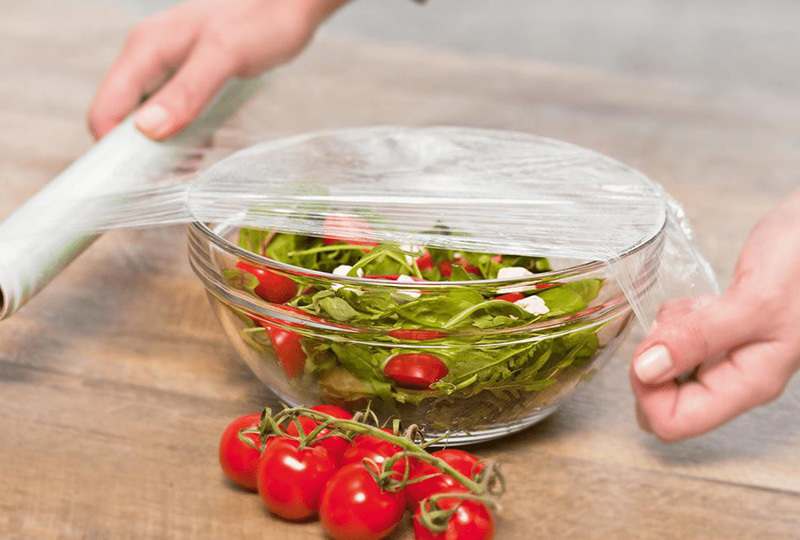
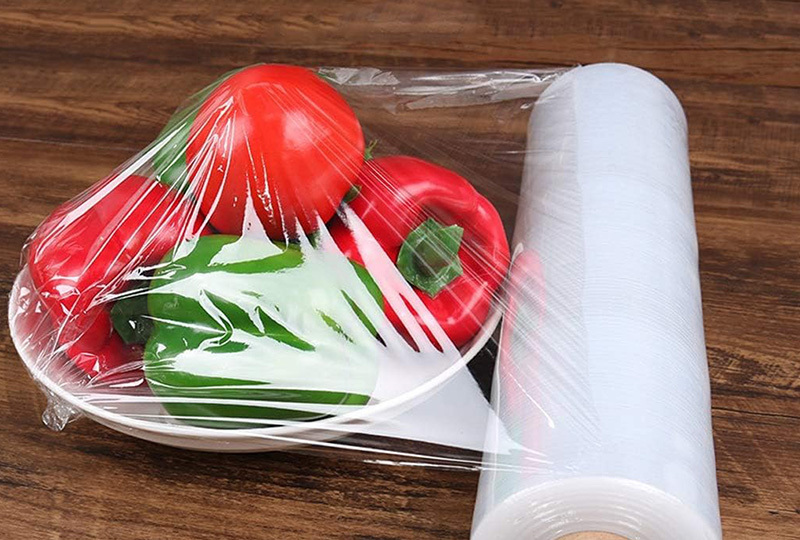
Degradable cling film is designed to perform just like its conventional counterpart. It clings tightly to various surfaces, helping to keep food items fresh and protected from contaminants. This cling film is suitable for covering bowls, wrapping sandwiches, or storing leftovers. Its ability to create a tight seal ensures that food remains fresh for a longer duration, minimizing waste and maximizing the enjoyment of your meals.
One of the significant advantages of using degradable cling film is its reduced environmental impact. When disposed of properly, it breaks down more quickly than traditional plastics, making it a better option for those looking to reduce their carbon footprint. The addition of biodegradable additives in the film encourages microbial activity, which aids in decomposition. This means that instead of lingering in landfills, the material can return to the earth, contributing to a healthier ecosystem.
When selecting a degradable cling film, it's essential to look for certifications that verify its biodegradability and compostability. Some brands may even provide information on how long their product will take to decompose under specific conditions. This transparency helps consumers make informed choices that align with their sustainability goals.
It's also worth noting that while degradable cling film is a step in the right direction, it should not be seen as a catch-all solution to plastic pollution. Responsible usage and disposal are crucial. This includes not littering and ensuring the film is disposed of in the appropriate waste stream, whether that be composting or recycling, if applicable.
In conclusion, switching to degradable cling film can be a beneficial choice for environmentally conscious individuals and families. By choosing products that are designed with the planet in mind, we can contribute to a more sustainable future while still enjoying the convenience and effectiveness of traditional kitchen essentials. Embracing degradable cling film is not just about preserving food—it's about preserving our planet for generations to come.
Related News
What are the characteristics of PVC fresh-keeping film for food preservation

Can PVC plastic wrap be heated in a microwave oven?
What is the difference between PVC cling film and PE cling film
The choice of PVC cling film need to pay attention to what

Professional Cling Film Manufacturer
Address: No.3 Jiefang road (east) Cangzhou Economy Development Zone, Cangzhou City, Hebei province, China.
Please leave your email, we will contact you as soon as possible, thank you!