

Understanding PVC Cling Film: A Comprehensive Guide for Kitchen Professionals
Release time:
Dec 12,2024
PVC cling film, commonly known as PVC wrap, is a widely used kitchen product that plays a crucial role in food storage and preservation. Made from polyvinyl chloride, this transparent film offers excellent cling properties, allowing it to tightly wrap around various food items, thereby minimizing exposure to air and moisture. This characteristic is vital in prolonging the freshness of perishable g
PVC cling film, commonly known as PVC wrap, is a widely used kitchen product that plays a crucial role in food storage and preservation. Made from polyvinyl chloride, this transparent film offers excellent cling properties, allowing it to tightly wrap around various food items, thereby minimizing exposure to air and moisture. This characteristic is vital in prolonging the freshness of perishable goods, making it an indispensable tool for both professional kitchens and home cooks.
One of the primary advantages of PVC cling film is its ability to create an airtight seal. This seal helps prevent the growth of bacteria and mold, which can compromise food safety. By wrapping leftovers or meal prep items in PVC cling film, kitchen professionals can significantly reduce food waste and maintain high hygiene standards. Moreover, this film is resistant to oil and grease, making it suitable for wrapping greasy foods without compromising its effectiveness.
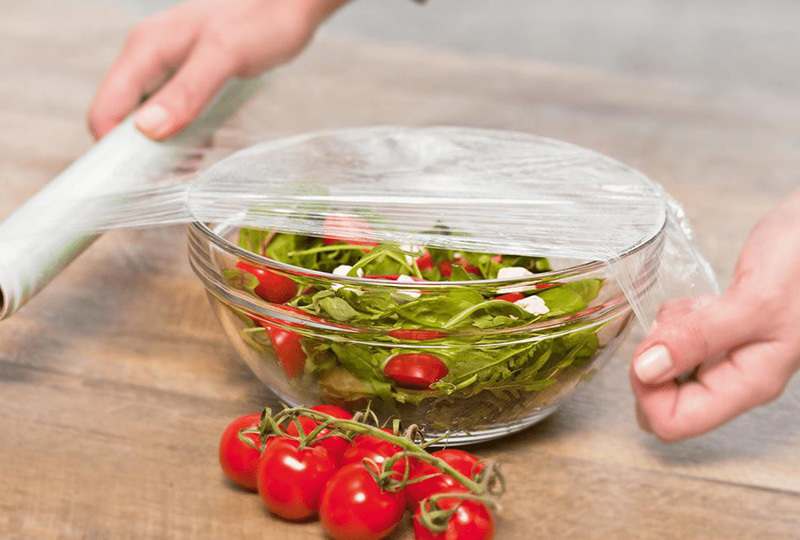
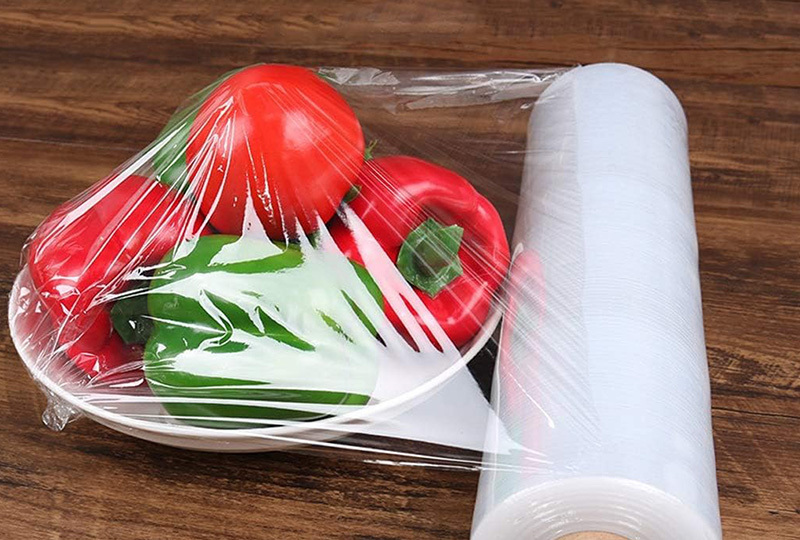
In addition to its food preservation capabilities, PVC cling film is also flexible and easy to use. It can conform to various shapes and sizes, whether it’s a bowl of salad, a plate of leftovers, or irregularly shaped fruits and vegetables. This versatility makes it a preferred choice for busy kitchens where efficiency is key. Furthermore, the transparency of the film allows chefs and kitchen staff to quickly identify the contents of wrapped items, streamlining the food storage process.
When considering the environmental impact of kitchen products, it is essential to note that while PVC cling film is recyclable, its disposal requires careful attention to local guidelines. Many food service establishments are now exploring alternatives that offer similar properties without the environmental footprint. However, the effectiveness and affordability of PVC cling film continue to make it a popular choice in many culinary settings.
It's also worth mentioning that PVC cling film is available in different thicknesses and strengths, catering to various storage needs. Thicker films provide better puncture resistance and durability, making them suitable for commercial kitchens where heavy-duty usage is common. In contrast, thinner films may be more appropriate for home use, where the demands are typically less intense.
In conclusion, PVC cling film serves as a vital tool in kitchen environments, offering unparalleled benefits in food preservation, safety, and convenience. Understanding its properties and applications can empower kitchen professionals to make informed choices that enhance their culinary practices. Embracing the use of PVC cling film not only aids in maintaining food quality but also contributes to more efficient kitchen operations.
Related News
What are the characteristics of PVC fresh-keeping film for food preservation

Can PVC plastic wrap be heated in a microwave oven?
What is the difference between PVC cling film and PE cling film
The choice of PVC cling film need to pay attention to what

Professional Cling Film Manufacturer
Address: No.3 Jiefang road (east) Cangzhou Economy Development Zone, Cangzhou City, Hebei province, China.
Please leave your email, we will contact you as soon as possible, thank you!