

Understanding the Different Thicknesses of Cling Film: Your Complete Guide
Release time:
Oct 12,2024
Understanding the Different Thicknesses of Cling Film: Your Complete Guide Table of Contents 1. Introduction to Cling Film 2. Why Cling Film Thickness Matters 2.1 The Role of Thickness in Food Preservation 2.2 Impact on Usage and Application 3. Types of Cling Film Thickness 3.1 Standard Thickness Cling Film 3.2 Heavy-Duty Cling Film 3.3 Extra-Thick Cling Film 4. How to Choose the Right Thickness f
Understanding the Different Thicknesses of Cling Film: Your Complete Guide
Table of Contents
1. Introduction to Cling Film
2. Why Cling Film Thickness Matters
2.1 The Role of Thickness in Food Preservation
2.2 Impact on Usage and Application
3. Types of Cling Film Thickness
3.1 Standard Thickness Cling Film
3.2 Heavy-Duty Cling Film
3.3 Extra-Thick Cling Film
4. How to Choose the Right Thickness for Your Needs
4.1 Factors to Consider When Selecting Cling Film
4.2 Practical Tips for Everyday Use
5. Common Misconceptions About Cling Film Thickness
6. Frequently Asked Questions about Cling Film
7. Conclusion: Making the Right Choice for Your Kitchen
1. Introduction to Cling Film
Cling film, commonly known as plastic wrap or saran wrap, is an essential kitchen item used for food storage and preservation. This versatile material is designed to cling to surfaces, creating an airtight seal that helps keep food fresh for longer periods. However, not all cling films are created equal. Understanding the different thicknesses of cling film can significantly affect your food storage practices and overall kitchen efficiency.
2. Why Cling Film Thickness Matters
When it comes to cling film, thickness is not just a minor detail; it plays a crucial role in how well the film performs in various applications.
2.1 The Role of Thickness in Food Preservation
Thickness directly impacts the cling film's ability to create an airtight seal. Thicker films tend to provide a more secure barrier against air, moisture, and contaminants, which is essential for preserving the freshness and quality of the food.
2.2 Impact on Usage and Application
Different thicknesses of cling film are suited for different purposes. For example, a standard thickness may suffice for wrapping sandwiches, while heavy-duty cling film is ideal for covering larger dishes or preventing freezer burn on meats.
3. Types of Cling Film Thickness
To help you make an informed choice, let's delve into the various types of cling film thickness available in the market.
3.1 Standard Thickness Cling Film
Standard thickness cling film is typically around 0.5 mils thick, making it a popular choice for everyday kitchen use. This thickness is suitable for wrapping light food items, sandwiches, and leftovers. While it provides a decent seal, it may not be the best option for items that require long-term storage or protection against moisture.
3.2 Heavy-Duty Cling Film
Heavy-duty cling film varies from 0.75 mils to 1 mil in thickness. This type is designed to withstand tougher conditions, making it perfect for covering larger dishes or wrapping meats for the freezer. Its extra durability ensures better cling and protection against air, making it a preferred choice for both home and commercial kitchens.
3.3 Extra-Thick Cling Film
Extra-thick cling film generally exceeds 1 mil in thickness and is used primarily for industrial or commercial applications. Its robust nature provides superior protection, making it ideal for shipping, food service, and large-scale food prep.
4. How to Choose the Right Thickness for Your Needs
Selecting the appropriate cling film thickness depends on your specific requirements. Here are some factors to consider:
4.1 Factors to Consider When Selecting Cling Film
1. **Type of Food**: Delicate items like fruits may need standard thickness, while raw meats or baked goods benefit from heavy-duty options.
2. **Storage Duration**: Long-term storage typically requires thicker films to prevent freezer burn and spoilage.
3. **Intended Use**: Assess whether you need the film for wrapping, covering, or sealing containers.
4.2 Practical Tips for Everyday Use
- Always check the manufacturer's recommendations regarding thickness for specific food types.
- Store cling film in a cool, dry place to maintain its integrity.
- Use the right thickness for the task to maximize food preservation and minimize waste.
5. Common Misconceptions About Cling Film Thickness
Many misconceptions surround cling film thickness that can lead to confusion. Here are a few clarifications:
- **Thicker is Always Better**: While thicker films provide better protection, they may not be necessary for all applications. Using standard thickness for light items is often sufficient.
- **All Cling Films Are the Same**: Different brands and types offer varying levels of performance. Always check product specifications and reviews.
- **Cling Film Is Not Recyclable**: Some cling films are recyclable, depending on the material used. Research local recycling guidelines to ensure proper disposal.
6. Frequently Asked Questions about Cling Film
Q1: Is there a significant difference in price between different thicknesses of cling film?
A1: Yes, thicker cling films tend to be more expensive due to the additional materials and manufacturing processes involved.
Q2: Can I use standard cling film in the microwave?
A2: Most cling films are microwave-safe, but always check the label for specific instructions.
Q3: How can I tell if my cling film has expired?
A3: Look for discoloration, brittleness, or a lack of clinginess. If it doesn’t adhere well, it’s time to replace it.
Q4: Is it safe to use cling film to wrap hot food?
A4: Generally, it’s advisable to let food cool before wrapping it in cling film to prevent melting or releasing harmful chemicals.
Q5: Can cling film be used for sous vide cooking?
A5: While some cling films can withstand sous vide temperatures, it’s best to use products specifically designed for that purpose to ensure safety.
7. Conclusion: Making the Right Choice for Your Kitchen
Understanding the different thicknesses of cling film is essential for effective food preservation and kitchen management. By selecting the appropriate thickness based on your food storage needs, you can enhance freshness and reduce waste. Whether you opt for standard, heavy-duty, or extra-thick cling film, being informed will allow you to make better choices for your kitchen. Increase your culinary efficiency and enjoy fresher food by mastering the art of cling film selection!
Related News
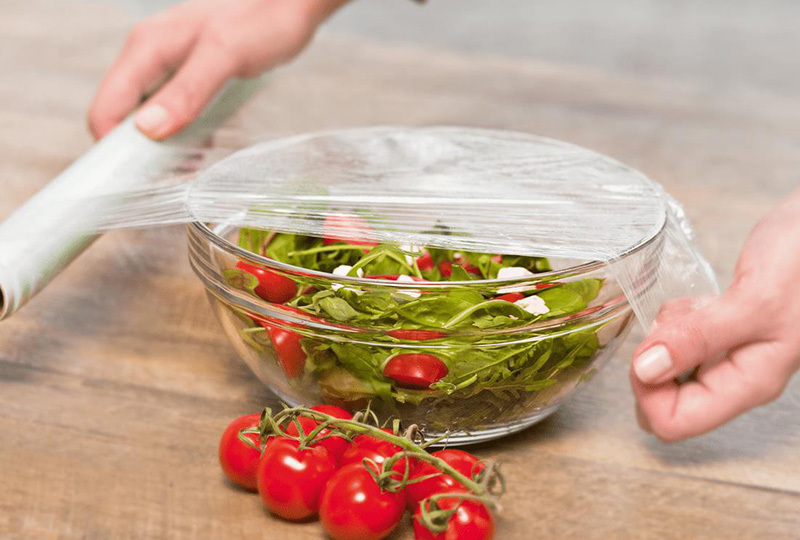
What are the characteristics of PVC fresh-keeping film for food preservation

Can PVC plastic wrap be heated in a microwave oven?
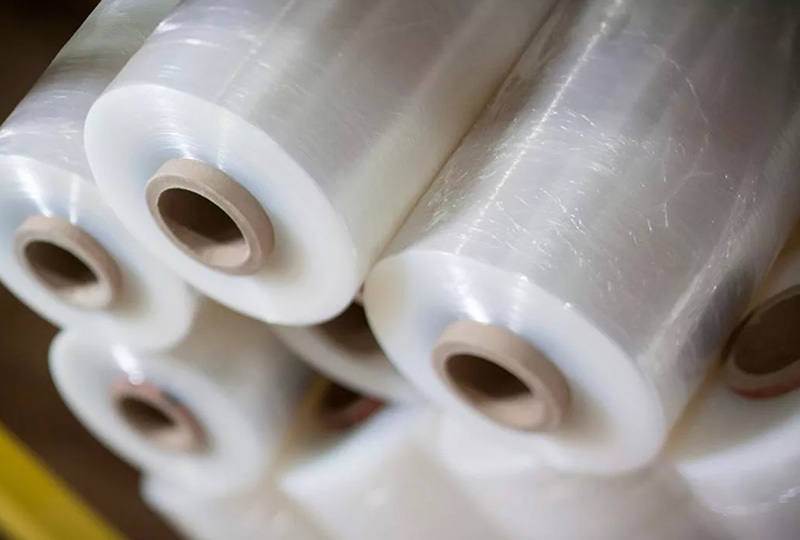
What is the difference between PVC cling film and PE cling film
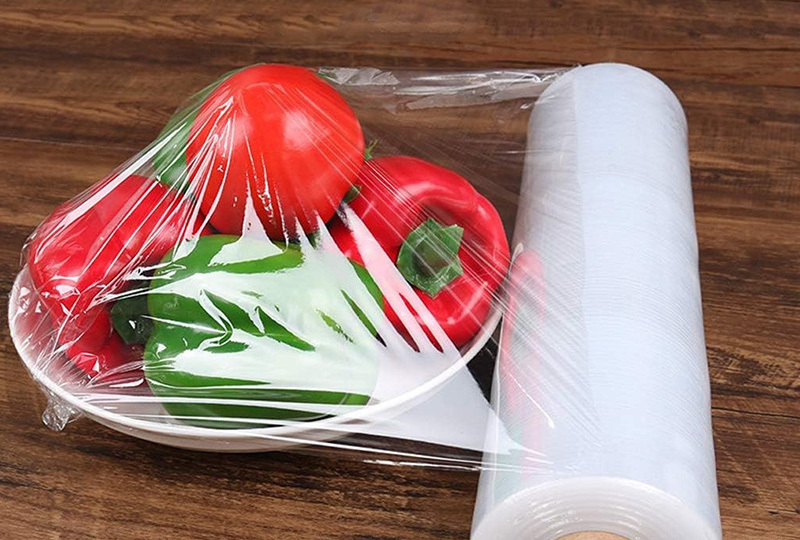
The choice of PVC cling film need to pay attention to what

Professional Cling Film Manufacturer
Address: No.3 Jiefang road (east) Cangzhou Economy Development Zone, Cangzhou City, Hebei province, China.
Please leave your email, we will contact you as soon as possible, thank you!