

Unveiling the Benefits of Antibacterial Plastic Cling Film in Food Safety
Release time:
Nov 08,2024
In the ever-evolving kitchenware industry, the introduction of antibacterial plastic cling film marks a significant advancement in food safety and preservation. This product is not just a simple kitchen accessory; it represents a proactive approach to minimizing the risk of bacterial contamination in food storage practices. Antibacterial plastic cling film is engineered with properties that inhibi
In the ever-evolving kitchenware industry, the introduction of antibacterial plastic cling film marks a significant advancement in food safety and preservation. This product is not just a simple kitchen accessory; it represents a proactive approach to minimizing the risk of bacterial contamination in food storage practices.
Antibacterial plastic cling film is engineered with properties that inhibit the growth of bacteria on its surface. This is particularly crucial in environments where hygiene is paramount, such as in restaurants, catering services, and even domestic kitchens. The integration of antibacterial agents into the cling film can significantly reduce the chances of cross-contamination, thus providing an extra layer of protection for food items.
One of the primary advantages of using antibacterial plastic cling film is its ability to prolong the freshness of food. Traditional cling films do a decent job of sealing food items, but they do not actively combat the proliferation of bacteria. With the antibacterial version, food can be stored for extended periods without the common risks of spoilage and contamination. This feature is especially beneficial for perishable items such as fruits, vegetables, and cooked dishes, which are often susceptible to rapid bacterial growth.
In addition to its antibacterial properties, this cling film provides a strong barrier against moisture and air, further enhancing its effectiveness in food preservation. By preventing oxidation and moisture loss, it helps maintain the quality, flavor, and nutritional value of foods. This is particularly important for businesses aiming to reduce food waste and ensure customer satisfaction through high-quality meals.
Moreover, the versatility of antibacterial plastic cling film allows it to be used in various settings. From industrial kitchens to home use, its practicality makes it an ideal choice for wrapping sandwiches, covering leftovers, or preparing ingredients for upcoming meals. Professionals can leverage this feature to promote more efficient kitchen operations, ensuring that food remains safe and fresh until it is ready to be served.
When considering the implementation of antibacterial plastic cling film in your product offerings, it is essential to highlight its unique selling points. Emphasizing safety, convenience, and sustainability can attract health-conscious consumers looking for effective solutions to food storage challenges. Additionally, it’s important to educate your clients about the proper usage and disposal of these products to maximize their benefits while adhering to environmental standards.
In conclusion, antibacterial plastic cling film presents a valuable opportunity for kitchenware professionals to enhance food safety and quality. By incorporating this innovative product into your offerings, you can provide customers with practical solutions that not only meet their food preservation needs but also promote a healthier kitchen environment.
Related News
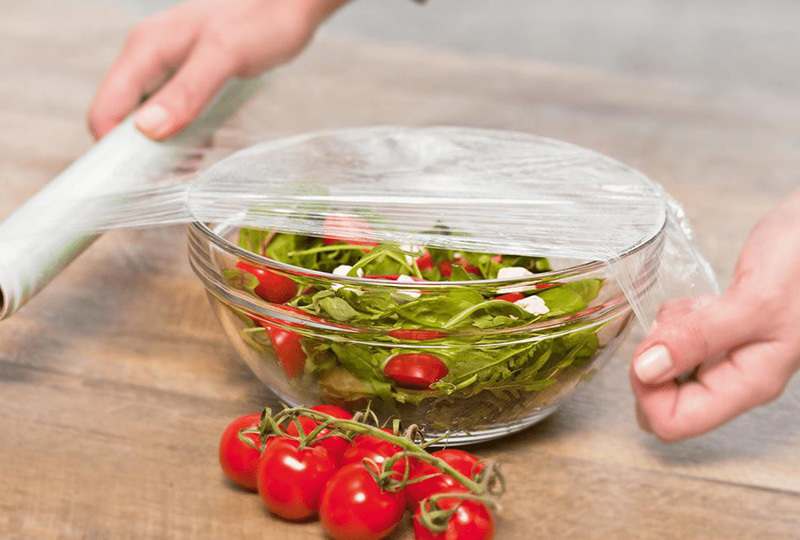
What are the characteristics of PVC fresh-keeping film for food preservation

Can PVC plastic wrap be heated in a microwave oven?
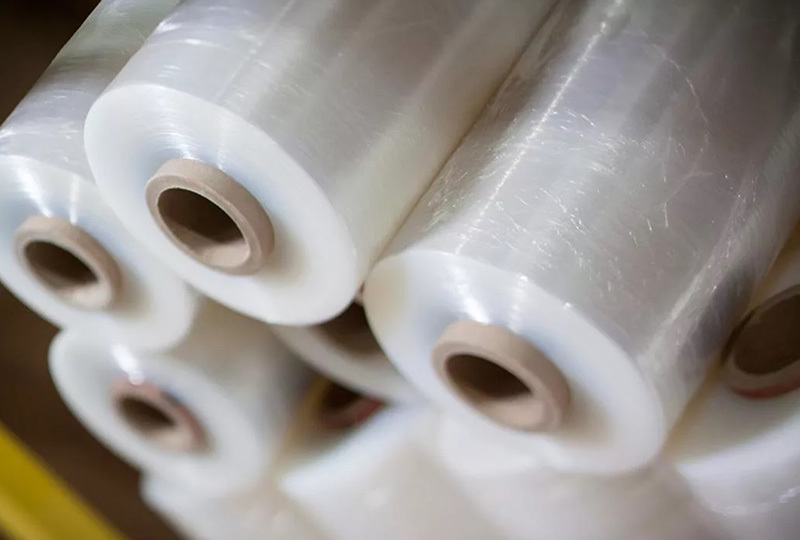
What is the difference between PVC cling film and PE cling film
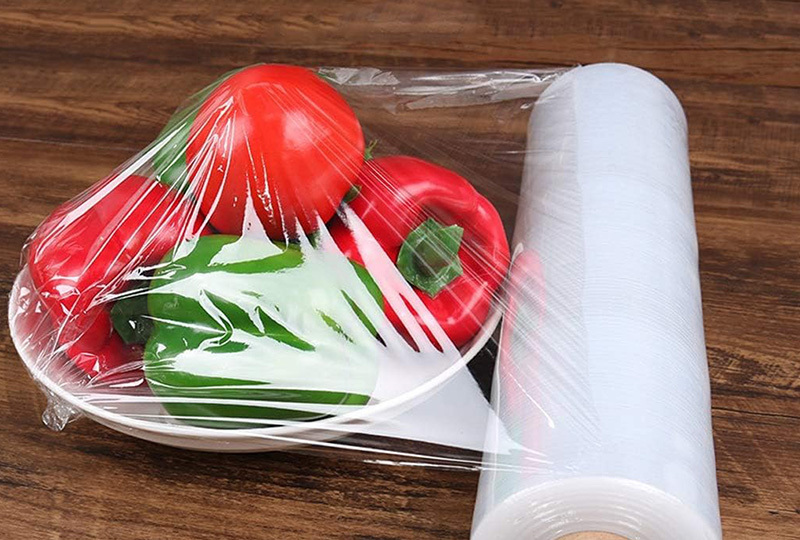
The choice of PVC cling film need to pay attention to what

Professional Cling Film Manufacturer
Address: No.3 Jiefang road (east) Cangzhou Economy Development Zone, Cangzhou City, Hebei province, China.
Please leave your email, we will contact you as soon as possible, thank you!