

Essential Safety Tips for Storing Food with PVC Cling Film: A Comprehensive Guide
Release time:
Dec 07,2025
Essential Safety Tips for Storing Food with PVC Cling Film Storing food safely is crucial in preventing spoilage and ensuring the health and well-being of you and your family. Among the various methods of food storage, PVC cling film is a popular option for its versatility and convenience. However, using PVC cling film incorrectly can pose several risks. In this comprehensive guide, we will explor
Essential Safety Tips for Storing Food with PVC Cling Film
Storing food safely is crucial in preventing spoilage and ensuring the health and well-being of you and your family. Among the various methods of food storage, PVC cling film is a popular option for its versatility and convenience. However, using PVC cling film incorrectly can pose several risks. In this comprehensive guide, we will explore **safety tips** for using PVC cling film effectively, helping you to make informed choices when it comes to food storage.
Understanding PVC Cling Film: What You Need to Know
Before diving into safety tips, it is essential to understand what PVC cling film is and how it works. **PVC (Polyvinyl Chloride)** cling film is a type of plastic wrap that clings tightly to surfaces, creating a seal that helps retain moisture and keep food fresh. This film is widely used in both households and commercial kitchens, owing to its affordability and ease of use.
Composition and Properties of PVC Cling Film
PVC cling film is made from polymers that provide elasticity and transparency. Its clingy nature is the result of a specific surface treatment. Here are some key properties:
- **Transparent**: Allows you to see the food stored underneath.
- **Flexible**: Easily molds to the shape of your food containers or items.
- **Moisture Barrier**: Helps retain moisture, thus keeping food fresh longer.
Common Uses of PVC Cling Film
PVC cling film is ideal for various food storage needs, including:
- Wrapping sandwiches and wraps.
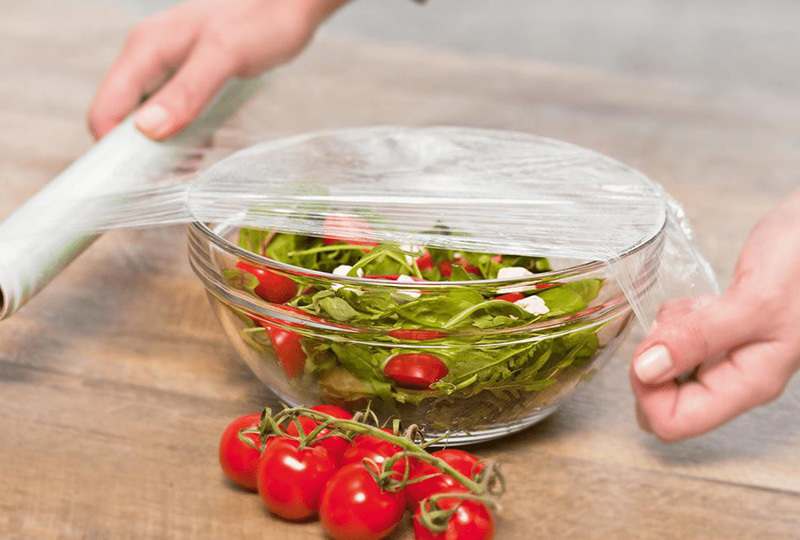
- Covering bowls of leftovers.
- Storing cut fruits and vegetables.
- Preventing freezer burn on meat and fish.
Safety Considerations When Using PVC Cling Film
While PVC cling film is a handy tool for food storage, there are important safety considerations to keep in mind.
1. Avoiding Heat Exposure
One of the primary safety concerns when using PVC cling film is exposure to heat. Cling films can release harmful chemicals when heated. Here’s what to remember:
- **Do Not Microwave**: Avoid using PVC cling film in the microwave or near open flames. Instead, transfer food to microwave-safe containers.
- **Stay Away from Oven Use**: PVC cling film is not designed for oven use. Always use oven-safe materials for baking.
2. Ensuring Food Safety
Improper use of PVC cling film can lead to food contamination. Ensure the following:
- **Clean Hands**: Always wash your hands before handling food and cling film.
- **Avoid Cross-Contamination**: Use separate cling film for raw meats and other food items to prevent bacteria transfer.
3. Checking for BPA-Free Options
Not all PVC cling films are created equal. Some may contain harmful substances such as BPA. Opt for brands that specify they are BPA-free for safer food storage.
Best Practices for Storing Food with PVC Cling Film
To maximize the benefits of PVC cling film while minimizing risks, consider these best practices:
1. Allow Food to Cool Before Wrapping
Wrap food only after it has cooled to room temperature. Wrapping hot food can create moisture, which may promote bacterial growth.
2. Use the Right Amount of Film
Using too much cling film can create waste, while too little may not cover food adequately. Ensure the film fully covers the item with minimal overlap.
3. Seal Properly for Maximum Freshness
To achieve an airtight seal, press down on the edges of the cling film after wrapping the food. This action prevents air from entering and helps maintain freshness.
Alternatives to PVC Cling Film
For those concerned about the safety and environmental impact of PVC cling film, several alternatives are available:
1. Beeswax Wraps
Beeswax wraps are reusable and compostable, featuring a natural adhesive that helps them cling to food items. They are an excellent eco-friendly option for food storage.
2. Silicone Food Covers
Silicone covers provide a tight seal and can be reused multiple times. They are safe for microwaves and ovens, making them a versatile choice.
3. Glass Containers with Lids
Using glass containers with airtight lids eliminates the need for plastic wrap altogether. They are durable, reusable, and excellent for both refrigerator and freezer storage.
Frequently Asked Questions (FAQs)
1. Is PVC cling film safe for food storage?
Yes, but it is essential to use it correctly and avoid heating it, as heat can release harmful chemicals.
2. Can I use PVC cling film in the microwave?
No, PVC cling film should not be used in the microwave, as it can release harmful substances when heated.
3. How can I tell if my cling film is BPA-free?
Look for labels or certifications that indicate the product is BPA-free. Additionally, choose reputable brands known for safe packaging.
4. What are some eco-friendly alternatives to PVC cling film?
Beeswax wraps, silicone food covers, and glass containers are excellent eco-friendly alternatives that provide safe food storage without plastic waste.
5. How long can I store food wrapped in PVC cling film?
Storage duration varies based on the type of food. Generally, fresh produce should be consumed within a few days, while cooked foods can last up to a week when properly wrapped.
Conclusion
Using PVC cling film for food storage can be convenient and effective when done safely. By adhering to the safety tips outlined in this guide, you can ensure that your food remains fresh while minimizing health risks. Whether you choose to use PVC cling film or explore eco-friendly alternatives, making informed choices will enhance your food storage practices, contributing to a healthier lifestyle. Embrace these practices today for a safer, fresher tomorrow!
Related News
What are the characteristics of PVC fresh-keeping film for food preservation

Can PVC plastic wrap be heated in a microwave oven?
What is the difference between PVC cling film and PE cling film
The choice of PVC cling film need to pay attention to what

Professional Cling Film Manufacturer
Address: No.3 Jiefang road (east) Cangzhou Economy Development Zone, Cangzhou City, Hebei province, China.
Please leave your email, we will contact you as soon as possible, thank you!